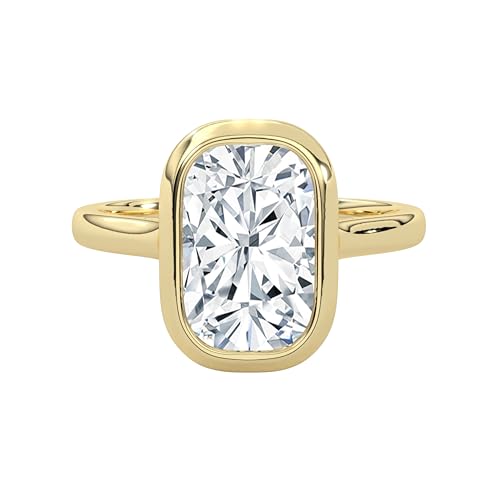
Bezel Set Diamond Ring: The Ultimate Guide to Modern Elegance
"Sleek, secure, and effortlessly stylish. Discover why the bezel setting is redefining the modern engagement ring."
The bezel set diamond ring is having a major moment. Once considered a niche choice for the ultra-practical, this sleek and sophisticated setting has become a top contender in the world of modern engagement rings. Its clean lines, architectural feel, and unparalleled security are winning over couples who want a ring that is both beautiful and built to last.
Unlike traditional prong settings that expose the diamond's edges, a bezel setting wraps a smooth rim of metal entirely around the stone. This not only creates a striking, contemporary silhouette but also offers incredible protection. In this guide, we'll explore everything you need to know about this distinctive style, from its benefits to how to choose the perfect one for your hand.
What is a Bezel Set Diamond Ring?
A bezel set diamond ring features a center stone that is held in place by a continuous rim of metal. Instead of tiny prongs gripping the crown of the diamond, the bezel encircles the entire girdle (the widest part of the stone), securing it firmly against the metal. The result is a smooth, flush surface with no protruding edges.
The bezel itself can be crafted in various styles, from a thin, minimalist rim that lets the diamond take center stage to a thicker, more substantial wall that adds a bold, industrial edge. This design is often found on modern minimalist weddings and is a favorite for those who appreciate clean, understated luxury. It's also a natural fit for a black-tie wedding aesthetic, where elegance and refinement are key.
Key Takeaway: The defining feature of a bezel setting is the metal rim that completely surrounds the diamond. This creates a smooth, snag-free profile and offers superior protection compared to prong settings.
Why Choose a Bezel Setting?
There are several compelling reasons why the bezel setting has become a go-to choice for savvy couples:
- Unmatched Security: The bezel protects the diamond from all angles. There are no prongs to snag on clothing, hair, or gloves, and the stone is far less likely to chip or fall out. This makes it a perfect choice for an active lifestyle or a profession that requires hands-on work. For those with an active career, this is a major advantage over a more delicate setting.
- Sleek, Modern Aesthetic: The smooth, continuous line of the bezel offers a contemporary, architectural look. It's a departure from the traditional, romantic vibe of prong settings and appeals to those who favor a clean, modern design. This minimalist elegance pairs beautifully with a variety of bridal jewelry styles.
- Comfortable to Wear: With no sharp edges or protruding prongs, a bezel-set ring is incredibly comfortable. It sits flush against the finger, making it easy to wear every day without irritation.
- Easy to Maintain: The smooth surface of the bezel is less prone to trapping dirt and grime than a prong setting. A simple soak and gentle brush are usually all that's needed to keep it sparkling.
While a bezel setting is a fantastic choice for a diamond, it's also a beautiful option for other gemstones. If you're considering a colored stone, a bezel can provide extra protection and create a stunning contrast.
Bezel vs. Prong: Which is Right for You?
The two most common settings for engagement rings are bezel and prong. Understanding the differences will help you make an informed decision.
Bezel Setting
Security: Excellent. The diamond is fully encased and protected.
Style: Modern, sleek, minimalist, architectural.
Light Performance: The metal rim can block some light, but a well-cut diamond will still sparkle beautifully.
Maintenance: Very low. Easy to clean and no prongs to tighten.
Best For: Active lifestyles, modern design lovers, those who want a low-maintenance ring.
Prong Setting
Security: Good, but prongs can snag and loosen over time.
Style: Classic, traditional, romantic, timeless.
Light Performance: Maximum light enters the diamond, maximizing brilliance and fire.
Maintenance: Moderate. Requires regular cleaning and periodic prong tightening.
Best For: Traditionalists, those who want maximum sparkle, and a classic look.
Neither setting is inherently "better"—the right choice depends on your personal style and lifestyle. For a more traditional look, you might explore a round brilliant cut diamond engagement ring, which is often seen in prong settings. However, for a truly unique and secure piece, a bezel is hard to beat.
Types of Bezel Settings
Not all bezels are created equal. There are several variations to consider:
1. The Full Bezel (or Closed Bezel)
This is the classic bezel. A continuous ring of metal encircles the entire diamond. It offers the highest level of protection and has a very smooth, modern appearance. This style is often used in wedding bands and engagement ring sets for a cohesive, contemporary look.
2. The Semi-Bezel (or Partial Bezel)
A semi-bezel covers only part of the diamond's girdle, usually the sides, while leaving the top and bottom more exposed. It provides more light to enter the stone than a full bezel while still offering significant protection against snagging.
3. The Floating Bezel (or Swiss Bezel)
This clever design features a thin bezel that holds the diamond from the sides, but the metal is recessed so that the diamond appears to "float" within the setting. It's a more delicate and airy take on the traditional bezel and is a popular choice for diamond engagement rings for women who want a modern yet elegant look.
Who is the Bezel Ring For?
The bezel set diamond ring is a fantastic choice for a wide range of people:
- The Active Professional: If you're a nurse, doctor, teacher, chef, or anyone who works with their hands, the bezel's smooth, snag-free design is a game-changer. It's also a great choice if you're planning an adventure honeymoon.
- The Modern Minimalist: If you love clean lines, architectural shapes, and understated elegance, a bezel setting is likely to appeal to your aesthetic. It pairs beautifully with a black and white wardrobe and a modern lifestyle.
- The Practical Romantic: You want a ring that is beautiful and meaningful, but you also want peace of mind. The bezel offers that perfect balance of form and function.
- The Unique Individual: While becoming more popular, a bezel setting is still less common than a prong setting. It's a wonderful choice for someone who wants a ring that feels distinct and personal. If you're looking for something truly unique, you might also consider a black diamond ring for a bold, alternative look.
How to Choose Your Bezel Ring
When shopping for a bezel set diamond ring, keep these factors in mind:
Consider the Diamond Shape
While round diamonds are classic, a bezel setting can truly shine with other shapes. An oval diamond looks stunning in a bezel, as do emerald, radiant, and cushion cuts. The bezel accentuates the outline of the stone, so choose a shape you love.
Think About the Metal
The metal you choose will define the ring's overall look. A white gold or platinum bezel will blend seamlessly with a colorless diamond, while a yellow or rose gold bezel will create a beautiful, warm contrast. If you're looking for a truly bold statement, consider a black titanium or black tungsten band with a black diamond for a modern, edgy vibe.
Decide on the Bezel Thickness
A thin bezel will maximize the appearance of the diamond's size, while a thicker bezel will give the ring a more substantial, architectural feel. Try on different widths to see what suits your hand best.
Don't Forget the Band
The band of your ring is just as important as the setting. You might prefer a simple, sleek band to let the bezel shine, or a band with pave diamonds for extra sparkle. Consider how your engagement ring will stack with a gold and white gold wedding band or a white gold ring for him.
💡 Pro Tip: When trying on bezel rings, pay attention to how the bezel interacts with the light. A well-made bezel will still allow the diamond to sparkle brilliantly, but the quality of the cut is even more important in a bezel setting than in a prong setting.