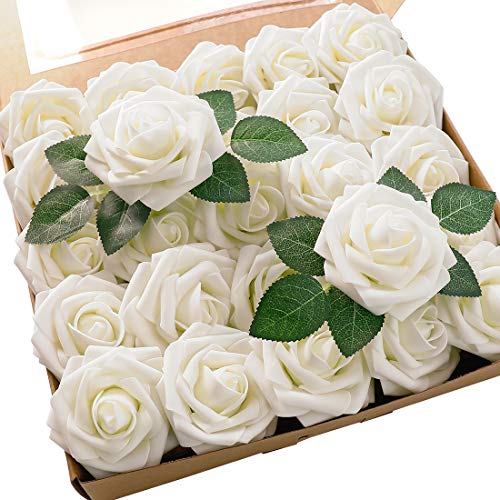
Wedding Flowers for Wedding: A Complete Guide
"Transform your ceremony and reception with the perfect blooms. Learn how to choose, style, and save on wedding flowers."
Wedding flowers are more than just decoration—they set the tone, tell your story, and create an unforgettable atmosphere. From the moment guests arrive at your ceremony to the final dance at your reception, flowers weave beauty and emotion through every part of your day. Whether you dream of a lush, garden-inspired celebration or a sleek, modern affair, the right wedding floral arrangements can bring your vision to life.
This guide will walk you through everything you need to know about wedding flowers for wedding ceremonies and receptions. We'll cover flower types, arrangement styles, budgeting strategies, and DIY tips so you can make informed decisions with confidence.
Why Wedding Flowers Matter
Flowers are one of the most photographed elements of any wedding. They frame your ceremony, adorn your tables, and appear in nearly every candid and posed photo. Beyond aesthetics, flowers carry symbolic meaning—roses for love, lilies for purity, lavender for devotion. They also create a sensory experience, filling the air with fragrance and adding texture and color that elevate the entire event.
Investing time in planning your wedding flowers ensures that your decor feels cohesive and personal. It's not just about having flowers; it's about choosing the right flowers for your venue, season, and style.
Choosing the Right Flower Types
The flowers you choose will depend on your wedding season, color palette, theme, and budget. Here are some of the most popular options for wedding flowers for wedding celebrations:
Classic & Romantic
Roses, peonies, ranunculus, and garden roses are timeless choices. They are lush, fragrant, and photograph beautifully. Peonies are particularly popular for spring and early summer weddings.
Modern & Minimalist
Calla lilies, orchids, and anemones offer clean lines and dramatic shapes. These flowers work well in contemporary arrangements with minimal greenery.
Rustic & Boho
Sunflowers, pampas grass, eucalyptus, and wildflowers create a relaxed, organic feel. These are perfect for barn weddings, outdoor ceremonies, and beach weddings.
Seasonal Picks
In spring, opt for tulips and lilacs. Summer brings dahlias and hydrangeas. Fall features chrysanthemums and berries. Winter offers amaryllis and evergreen branches. Seasonal flowers are fresher and more budget-friendly.
When selecting flowers, consider their durability. Some blooms wilt quickly in heat, while others hold up well throughout the day. Your wedding florist can advise you on the best options for your venue and climate.
Ceremony Flowers: Arch, Aisle & Altar
Ceremony flowers create the backdrop for your vows and set the mood for the entire celebration. Here are the key areas to focus on:
The Ceremony Arch or Backdrop
The arch is often the focal point of the ceremony. You can adorn it with a lush floral garland, an asymmetrical arrangement, or simple greenery with a few statement blooms. If you're using a wedding arch, consider how flowers will attach and whether you need a sturdy frame. For a more budget-friendly approach, use high-quality silk flowers or a mix of real greenery and faux blooms.
Aisle Decor
Aisle flowers guide guests' eyes toward the altar and add beauty to the procession. Options include petals scattered on the floor, small arrangements attached to aisle chairs, or standing vases with tall stems. Keep it simple and elegant—too many flowers can clutter the aisle.
Altar or Stage Arrangements
If you're marrying in a church or in front of a stage, large altar arrangements add grandeur. These can be placed on either side of the altar or as a single statement piece. Consider reusing these arrangements at the reception to maximize your wedding flower budget.
Reception Flowers: Centerpieces & More
Reception flowers continue the floral story and create a welcoming atmosphere for your guests. Here's where to focus:
Centerpieces
Centerpieces are the heart of your reception decor. They can be low and lush, tall and dramatic, or a mix of both for visual interest. Popular options include classic rose arrangements, wildflower bouquets in mason jars, or modern single-stem vases. For round tables, consider centerpiece ideas for round tables that balance height and sightlines.
Bar & Buffet Flowers
Small floral accents on the bar, buffet tables, and cake table add cohesion without overwhelming the space. A simple bud vase or a small cluster of blooms can make these areas feel special.
Cake Flowers
Fresh flowers on your wedding cake add a touch of elegance. Coordinate with your florist and baker to ensure the flowers are food-safe and properly attached. Many couples also use flowers to decorate the cake table itself.
Bridal Bouquets & Personal Flowers
Personal flowers—the bridal bouquet, bridesmaid bouquets, boutonnieres, and corsages—are some of the most important floral elements. They appear in close-up photos and are held throughout the ceremony.
- Bridal Bouquet: This is the star of your personal flowers. Choose a style that complements your dress and personality—round and compact, loose and cascading, or a modern single-stem design. The bouquet of flowers for a wedding should feel like an extension of you.
- Bridesmaid Bouquets: These should complement the bridal bouquet but be slightly smaller and simpler. They can match or use a complementary color palette.
- Boutonnieres & Corsages: These small floral accents honor parents, grandparents, and the wedding party. They should be durable enough to last through the day and pinned securely.
How to Save on Wedding Flowers
Wedding flowers can be a significant expense, but there are many ways to keep costs manageable without sacrificing beauty. Here are our top strategies:
💡 Smart Savings Tips:
• Choose in-season blooms: Seasonal flowers are fresher and more budget-friendly.
• Reuse ceremony flowers at the reception: Move altar arrangements to the reception area after the ceremony.
• Mix real and artificial: Use real flowers for personal flowers and high-quality silk flowers for large installations.
• Focus on impact areas: Prioritize the arch, bridal bouquet, and centerpieces; keep other areas simple.
• Use greenery generously: Greenery is more affordable than flowers and adds volume and texture.
• Buy wholesale: If you're crafty, consider buying flowers wholesale and arranging them yourself with help from your bridal party.
For more detailed budgeting advice, see our guide to wedding flower budget planning.
DIY Wedding Flowers: What to Know
DIY wedding flowers can save money and add a personal touch, but they require planning and effort. Here's what to consider:
- Timing: Fresh flowers need to be arranged close to the wedding day. If you're DIY-ing, plan to arrange flowers the day before or morning of the wedding.
- Storage: Keep flowers cool and hydrated. Refrigerate them if possible, and use floral preservative in the water.
- Skills: Practice arranging before the wedding. Watch tutorials and consider taking a floral design class.
- Help: Recruit friends and family to help. Many hands make light work.
If you're using artificial flowers, you can arrange them weeks in advance, which reduces stress. High-quality silk flowers are a great option for wedding decorations that need to last through the day.