Wedding Florist & Flowers: The Complete Guide
"Your flowers set the tone for the entire day. Learn how to choose the right florist, pick the perfect blooms, and get luxury results for less."
Wedding flowers are far more than decoration—they are the living, breathing elements that tie your color palette, theme, and venue together. From the bridal bouquet you will clutch down the aisle to the centerpieces that greet guests at reception tables, florals appear in nearly every photograph of your day. Yet flowers are also one of the most misunderstood line items in a wedding budget, and choosing the right wedding florist can feel overwhelming.
This guide walks you through every stage of the floral decision, from the first consultation to the final delivery. Whether you dream of a cascading garden rose bouquet or a minimalist arrangement of seasonal branches, understanding how florists work, what flowers cost at each quality tier, and when DIY makes sense will help you make confident, informed choices. For a broader look at ceremony and reception styling, explore our wedding floral arrangements gallery for inspiration.
Why Wedding Flowers Matter
Florals do three jobs simultaneously. First, they establish atmosphere: a loose, romantic arrangement of peonies and eucalyptus reads very differently from a structured tower of white orchids. Second, they create visual continuity—repeating the same blooms in your bridal bouquet, ceremony arch, and reception centerpieces makes the day feel intentional rather than piecemeal. Third, they photograph beautifully, adding texture, color, and depth to every frame from the first look to the golden hour portraits.
Because flowers are perishable and labor-intensive, they also represent one of the more variable budget lines in wedding planning. A florist who designs with in-season, locally grown blooms will charge significantly less than one sourcing imported peonies in the off-season. Understanding this relationship between seasonality, sourcing, and design complexity is the foundation of smart floral spending. For more on this, see our dedicated wedding flower budget guide.
The Three-Tier Quality Framework: Throughout this guide, we classify flowers and florists using three universal tiers. Entry-level refers to standard, budget-friendly blooms and simple designs. Mid-range covers well-known premium flowers and more elaborate arrangements. Luxury describes rare, imported, or highly specialized blooms and couture-style designs.
How to Choose a Wedding Florist
Finding a florist is not just about who has the prettiest Instagram grid. You need someone whose style matches your vision, who works well with your budget, and who can execute reliably under the pressure of a wedding day. Here is a step-by-step approach.
Step 1: Define Your Floral Style
Before you contact anyone, collect references. Are you drawn to lush, garden-style arrangements with wild stems? Structured, modern designs with clean lines? Romantic, cascading bouquets? Your style will narrow your florist search considerably. Browse our wedding flowers guide and save images that consistently appeal to you.
Step 2: Check Availability and Experience
Ask whether the florist has your date available and whether they have worked at your venue before. Experience with your venue matters: a florist who knows the space will suggest arrangements that suit its proportions, natural lighting, and logistical constraints. For outdoor ceremonies, experience with heat, wind, and rain contingency is invaluable.
Step 3: Review Their Portfolio and Process
Look beyond pretty photos. Ask to see photos of real weddings they have done recently, including setup shots that reveal how arrangements were transported and installed. A good florist will also explain their process: when they source flowers, how they handle setup and teardown, and what happens if a particular bloom is unavailable.
Step 4: Discuss Budget Openly
The most productive florist relationships start with transparency. Tell your florist your total floral budget and ask what is achievable within it. A skilled professional will tell you which elements to prioritize and which to simplify. If a luxury florist is out of reach for your full wedding, they may still be an excellent choice for just the bridal bouquet and ceremony focal point.
💡 WeddingClever Tip: When comparing quotes from different florists, make sure you are comparing the same scope. One quote may include delivery, setup, tax, and teardown while another appears lower but excludes these essentials. Ask for itemized quotes so you can compare like with like.
Questions to Ask Your Florist
A great consultation is a conversation, not an interrogation. Still, certain questions reliably surface the information you need to make a confident decision. Use these as a checklist during your meetings. For vendor contract guidance across all your wedding vendors, see our general vendor contract tips.
- What is included in my quote? Confirm whether delivery, setup, teardown, and any design fee are included. Clarify any minimum spend requirements.
- Which flowers will be in season on my date? In-season flowers are fresher, more beautiful, and easier on the budget. Ask which of your desired blooms are realistic for your date.
- What happens if a flower is unavailable? Ask about their substitution policy and how they will communicate changes to you.
- How will my flowers survive the day? Discuss water sources for bouquets, heat protection for outdoor ceremonies, and their recommendation for decor that lasts all day.
- What is your payment and cancellation policy? Get the deposit amount, payment schedule, and cancellation terms in writing.
- Can you provide a mockup or sample? Some florists offer bridal bouquet samples or small mockups. Ask whether this is included or available for an additional fee.
- How many weddings do you take on per day? This tells you how much attention you can expect on your wedding day.
Essential Wedding Flowers & Arrangements
Every wedding floral plan consists of several core components. Understanding each one—and the flower options within each tier—helps you allocate your budget sensibly.
Bridal Bouquet & Personal Flowers
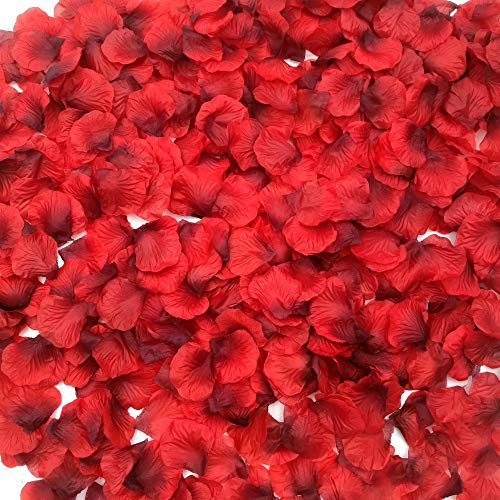
The bridal bouquet is the centerpiece of your personal florals. Entry-level options like roses, carnations, and chrysanthemums are affordable and beautiful. Mid-range bouquets feature peonies, garden roses, ranunculus, and dahlias. Luxury designs may incorporate rare blooms, cascading styles, or couture wrapped-stem techniques. Don't forget boutonnieres, corsages, and flower girl petals as part of your personal flower order.
Ceremony Flowers
Your ceremony is the dramatic focal point. Consider an arch or backdrop adorned with florals, aisles lined with petals or greenery, and altar arrangements. Entry-level: simple greenery garlands and modest arrangements. Mid-range: fuller arch florals with mixed blooms. Luxury: massive statement installations, hanging floral clouds, or living walls. Outdoor settings like outdoor venues may benefit from arrangements that tolerate weather.
Reception Centerpieces
Centerpieces anchor your reception decor. Mix heights and textures for visual interest. Entry-level options: bud vases with single blooms, greenery runners, or candles with modest florals—see our wedding candle ideas. Mid-range: full floral compotes or mixed arrangements for round tables. Luxury: tall, dramatic arrangements with rare blooms, or immersive installations that incorporate lighting and texture.
Statement & Accent Flowers
Beyond the essentials, florists handle details like cake flowers, welcome signs, bar arrangements, and photo booth backdrops. Entry-level: a simple cake topper bloom or a single vase for the welcome table. Mid-range: a cohesive series of accent arrangements. Luxury: multiple statement installations—think cascading flowers on the cake table, floral pillars, or dedicated flower walls for photos.
When choosing your bloom palette, think in terms of a base, a focal point, and a filler. For instance, greenery forms your base, roses or peonies are your focal blooms, and smaller flowers or berries act as filler. This structure helps your florist translate inspiration images into a realistic, cost-conscious plan that still looks abundant. If you are exploring color direction, our wedding color palettes can help.
Managing Your Wedding Flower Budget
Flowers are one of the most flexible line items in a wedding budget—but only if you make deliberate choices. Here are the levers that move the needle most.
Prioritize What Gets Photographed Most
Your bouquet appears in nearly every photo of you. The ceremony backdrop appears in every ceremony photo. Reception centerpieces are seen mostly at a distance and often partly obscured. If your budget is limited, invest in the first two and simplify the third with candles, greenery, and a few accent blooms.
Choose In-Season Blooms
Seasonality is the single biggest cost driver in fresh florals. Peonies in July are affordable; peonies in December are not. A knowledgeable florist will guide you toward blooms that are naturally abundant on your date. Ask specifically: "What will be at its best on my wedding date?"
Repurpose Ceremony Flowers at the Reception
Ceremony arch arrangements and aisle florals can often be moved indoors after the ceremony to decorate the reception. This costs a small amount of labor but effectively doubles the use of your ceremony flowers. Discuss this logistics with your florist in advance.
Mix Greenery with Statement Blooms
Generous greenery makes arrangements feel abundant at a fraction of the cost of filling the same space with flowers. A composition that is two-thirds greenery and one-third focal blooms looks lush and modern while keeping your floral spend controlled.
💡 Budget-Smart Move: Consider a hybrid approach. Use fresh flowers for your bouquet, ceremony focal point, and cake, and supplement with high-quality silk arrangements for background areas and high-traffic spots where fresh flowers would wilt quickly.
DIY vs. Professional Florals
The decision between hiring a florist and doing it yourself is not simply a question of budget—it is a question of time, skill, and stress tolerance. Both paths can produce stunning results, but they suit different couples.
When to Hire a Professional Florist
Hiring a florist is the right choice when you want the bouquet and ceremony focal point to be executed flawlessly, when you lack the time or willingness to source, process, and arrange flowers in the days before the wedding, or when you are working with a large or complex installation (hanging floral clouds, arches with hundreds of stems). Professional florists also handle delivery, setup, and the inevitable last-minute adjustments that DIY cannot.
When DIY Makes Sense
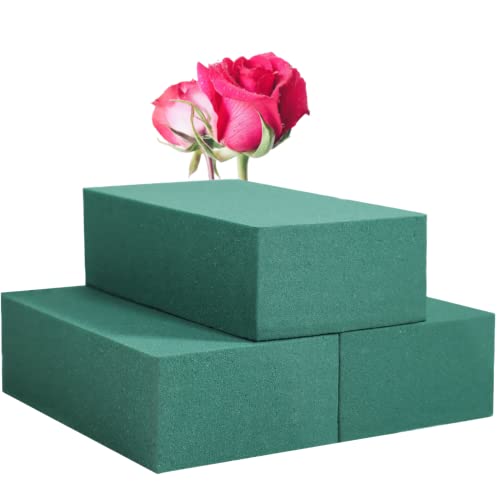
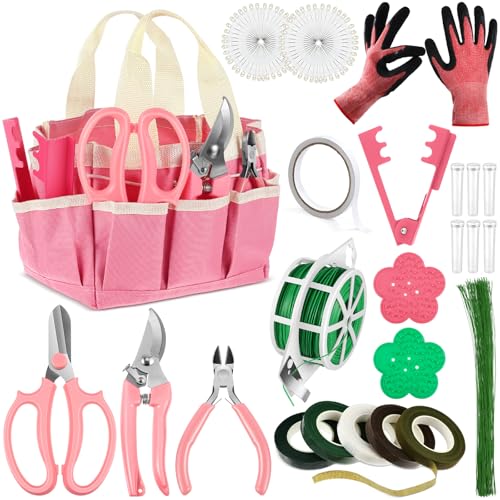
DIY florals can save significantly when your vision is simple and your quantities are manageable. Bouquets, boutonnieres, bud vases, and simple centerpieces are achievable for confident DIYers, especially if you use high-quality silk flowers that require no processing, no water, and no last-minute panic. Our wedding decoration guide covers DIY styling principles in depth, and our floral arrangement ideas article has beginner-friendly formulas.
The Hybrid Approach
Many couples now combine the two. Hire a florist for the pieces that will be photographed most closely—bouquet, boutonnieres, ceremony focal point, cake—and DIY the rest with silk flowers, greenery, and candles. This approach captures the best of both worlds: professional polish where it matters most and cost savings everywhere else.
Seasonality Cheat Sheet: Spring brings tulips, ranunculus, and sweet peas. Summer offers roses, dahlias, sunflowers, and zinnias. Fall features dahlias, chrysanthemums, and berries. Winter relies on amaryllis, evergreens, and imported blooms. Share this with your florist when discussing your date.
Wedding Florist FAQs
For the full picture of wedding-day styling, pair your floral plan with our guides to wedding lighting and wedding decoration. And before your final vendor meeting, review our wedding checklist to make sure every floral detail is scheduled.