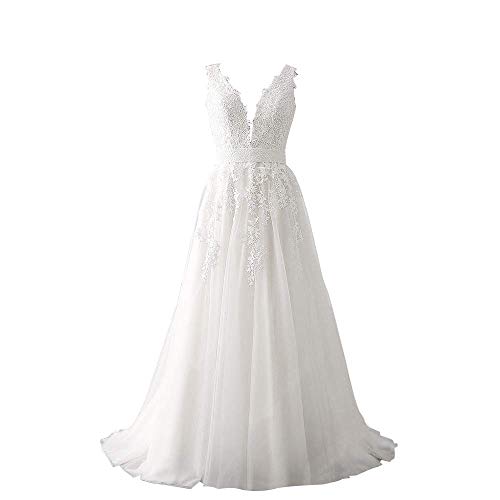
Wedding Dresses Online: Find Your Dream Gown with Confidence
Navigate the digital bridal boutique with expert sizing advice, fabric guides, and silhouette breakdowns—so you can say "yes" to the dress from the comfort of home.
Shopping for a wedding dress online has transformed from a risky gamble into a smart, convenient, and often more affordable way to find your dream gown. Whether you are a bride on a tight timeline, looking for a specific designer not stocked in local boutiques, or simply prefer to browse without the pressure of a sales consultant, the digital bridal market now offers an extraordinary range of options.
However, buying a gown without trying it on requires a different set of skills than visiting a traditional salon. You need to understand silhouettes, fabrics, sizing charts, and return policies before you click "add to cart." This guide walks you through every step of the process, from choosing the right wedding dress trends to verifying a retailer's credibility, so you can shop with genuine confidence.
Why Shop for Wedding Dresses Online?
The bridal industry has changed dramatically in recent years. While in-person appointments remain popular, a growing number of brides are choosing to purchase their gowns online for several compelling reasons. The selection is virtually unlimited—you can browse styles from independent designers, international boutiques, and ateliers that may not have a physical presence in your city. You also avoid the pressure of a timed sales appointment and can compare styles side by side at your own pace.
Another major advantage is transparency. Online listings often include detailed fabric descriptions, precise measurements, and customer reviews from brides with similar body types. This information is invaluable when you are trying to determine whether a particular wedding gown will flatter your figure. Many reputable retailers also offer virtual styling appointments and at-home try-on programs, which bridge the gap between digital browsing and the physical fit of the dress.
💡 Pro Tip: Before you commit to an online purchase, always request fabric swatches from the retailer. This allows you to see the true color and feel the material weight in person—essential for matching your wedding colors and understanding how the dress will drape.
Understanding Bridal Silhouettes
The silhouette is the overall shape of the dress, and it is the single most important factor in determining whether a gown will suit your body type and venue. When shopping online, you cannot rely on how a dress hangs on a model—you need to understand how each silhouette behaves on different body shapes. Here are the major bridal silhouettes and who they tend to flatter most.
A-Line
The most universally flattering silhouette. Fitted at the bodice and gently flaring from the natural waist, an A-line dress creates a balanced, feminine shape that works for virtually every body type. Ideal for lace wedding dresses and classic ceremonies.
Ball Gown
Dramatic and regal, with a fitted bodice and a full, voluminous skirt. Best suited for formal, black-tie weddings in grand venues. Petite brides may find the volume overwhelming, while taller brides can carry the look beautifully.
Mermaid / Trumpet
Fitted through the bodice, waist, and hips, then flaring out at or below the knee. This is a dramatic, figure-hugging silhouette that accentuates curves. It requires confident styling and is best for brides comfortable with a fitted fit.
Sheath
A streamlined, column-like shape that follows the body's natural lines without excess volume. Often chosen for beach weddings and modern, minimalist ceremonies. It flatters slender and athletic figures especially well.
Empire Waist
The waistline sits just below the bust, creating a high-waisted effect with a flowing skirt. This silhouette is ideal for pregnant brides or those who prefer a relaxed, comfortable fit. It also works beautifully for tropical wedding dresses.
Tea-Length
A vintage-inspired silhouette with a hem that falls just below the knee. Perfect for casual ceremonies, cowboy boot weddings, or second dresses for the reception. It offers a playful, retro charm.
When browsing online, pay close attention to the model's height and body type in the product photos. If the model is significantly taller or shorter than you, the dress will fall differently on your frame. Many retailers include a "fit guide" with real bride photos of varying heights and sizes—use these whenever they are available.
Fabric Guide: What Works for Your Venue
The fabric determines not only how the dress looks but also how it feels, how it photographs, and how well it suits your wedding season and venue. A heavy satin ball gown will look out of place at a beach ceremony, while a delicate chiffon sheath may feel too casual in a grand ballroom. Here is a breakdown of the most common bridal fabrics and their best uses.
| Fabric | Characteristics | Best For |
|---|---|---|
| Chiffon | Lightweight, airy, semi-sheer. Drapes softly and moves beautifully in the breeze. | Outdoor, beach, and summer weddings. Tropical wedding dresses. |
| Lace | Intricate patterns with a romantic, vintage feel. Can be delicate or heavy depending on the weave. | Classic, rustic, and garden weddings. Lace wedding dresses. |
| Satin | Smooth, glossy finish with a structured drape. Holds shape well and photographs with high shine. | Formal, black-tie, and evening weddings. Ball gowns and A-line styles. |
| Tulle | Sheer, netting fabric with a stiff, airy texture. Often used in layered skirts and sleeves. | Ball gowns, romantic styles, and long sleeve wedding dresses. |
| Crepe | Lightweight, matte finish with a subtle stretch. Drapes elegantly without clinging. | Modern, minimalist, and destination weddings. Sheath and column styles. |
| Organza | Crisp, sheer, and lightweight. Adds volume without weight and holds pleats well. | Summer weddings, layered skirts, and dramatic sleeves. |
Fabric and Season: If you are marrying in the summer heat, prioritize breathable fabrics like chiffon, crepe, or light organza. For winter weddings, satin, velvet, and heavier lace provide warmth and structure. Always check the fabric composition in the product listing before ordering—photos can be deceiving.
How to Measure Yourself for an Online Dress
Sizing is the single biggest risk when purchasing a wedding dress online. Bridal sizing is notoriously inconsistent across brands, and a "size 8" from one designer may fit like a "size 10" from another. The only reliable approach is to take your own measurements and compare them against the specific size chart provided by the retailer.
The Three Essential Measurements
Bust: Measure around the fullest part of your bust, keeping the tape parallel to the floor. Wear the bra you intend to wear on your wedding day for the most accurate result.
Waist: Measure around your natural waistline—the narrowest part of your torso, usually just above the belly button. Keep the tape snug but not tight.
Hips: Measure around the fullest part of your hips, usually about 8 inches below your waist. Stand with your feet together and the tape parallel to the floor.
Write these numbers down and compare them to the retailer's size chart. If your measurements fall between two sizes, always order the larger size—it is far easier for a tailor to take a dress in than to let it out.
💡 Measurement Tips:
• Have a friend help you measure—self-measuring often leads to inaccurate results.
• Wear the undergarments you plan to wear on your wedding day.
• Keep the tape snug but not compressing your body.
• Measure twice to confirm accuracy.
• Check if the retailer uses US, UK, or EU sizing—they are not interchangeable.
• Look for retailers that offer wedding dress customization or made-to-measure options.
Quality Tiers: Entry-Level to Luxury
Online bridal retailers operate across a wide spectrum of quality and craftsmanship. Understanding the tier you are shopping in helps set realistic expectations about fabric quality, construction, embellishments, and customer service. Here is a general framework to guide your expectations.
Entry-Level / Budget-Friendly
These gowns are typically mass-produced using synthetic fabrics and simpler construction techniques. They are an excellent choice for elopements, casual ceremonies, or brides who plan to alter the dress significantly. Expect limited sizing options and simpler embellishments.
Mid-Range / Mid-Tier
This tier offers a noticeable step up in fabric quality and construction. You will find more intricate lace, better lining, and more thoughtful detailing. Many mid-tier retailers offer virtual styling and at-home try-on programs, making the online experience more reliable.
Premium / High-End
Premium gowns feature high-quality fabrics, hand-finished details, and more precise sizing. These dresses often come from established designers with a strong reputation. Customer service is typically more personalized, and return policies are more generous.
Luxury / Top-Tier
The highest tier includes couture-level craftsmanship, exclusive fabrics, and bespoke customization. These gowns are often made to order and may involve virtual consultations with the designer. They are investments intended to be heirlooms, and the shopping experience reflects that level of care.
Regardless of the tier you choose, always read the fabric composition and construction details carefully. A mid-tier dress with high-quality lace can often look more expensive than a premium gown with poorly finished seams. Focus on the details that matter to you—whether that is the drape of the fabric, the quality of the beading, or the reputation of the retailer.
Red Flags & Return Policies to Check
Not every online bridal retailer is trustworthy. Before you place an order, take a few minutes to verify the retailer's credibility. These simple checks can save you from a stressful and expensive mistake.
- Check the return policy carefully. Many online bridal retailers offer limited or no returns on wedding dresses. Look for a clear return window, restocking fees, and whether the dress must be unworn and in original packaging. Some retailers offer exchanges only, while others provide full refunds within a specified period.
- Read reviews from real customers. Look for reviews that mention the buyer's height, weight, and body type. Photos from real brides are invaluable for understanding how the dress looks in real life versus on a model.
- Verify the size chart. A retailer that does not provide a detailed size chart with measurements is a red flag. Avoid any retailer that uses generic sizing without bust, waist, and hip measurements.
- Check the shipping timeline. Wedding dresses can take weeks or months to arrive, especially if they are made to order. Confirm the estimated delivery date before purchasing, and allow a buffer for delays.
- Look for customer service contact information. A legitimate retailer will have a phone number, email address, and physical address listed on the website. If the only way to contact them is through a generic contact form, proceed with caution.
- Be wary of too-good-to-be-true offers. If a retailer is offering a designer gown at an extremely low tier compared to other retailers, it may be a counterfeit or a lower-quality replica. Read the fabric descriptions carefully and look for reviews that mention the quality of the materials.
💡 Smart Shopping Strategy: Order your dress at least six to nine months before your wedding date. This allows time for shipping, professional alterations, and any potential exchanges. If you are purchasing a made-to-order or custom gown, allow even more lead time—up to twelve months is ideal for a stress-free experience.
If you are shopping for a specific body type, explore our guides on plus size wedding dresses and wedding dresses for plus size brides for more tailored advice. For older brides, our article on wedding dresses for the older bride offers additional considerations. And if you are looking for a second look for your reception, see our guide to wedding dress and reception dress combinations.
Finally, do not overlook the importance of alterations. Even a perfectly sized online dress will likely need some adjustments to fit your body precisely. Factor the cost of alterations into your overall plan, and choose a local tailor who specializes in bridal gowns. A skilled tailor can transform a good dress into a perfect one, adjusting the hem, taking in the bodice, or adding custom details like corset backs or long sleeves.