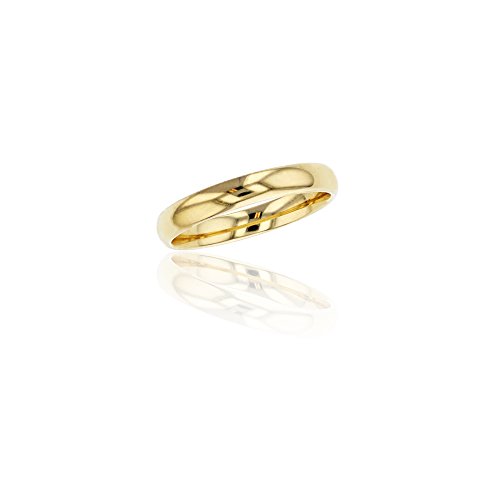
Solid Gold Wedding Bands for Women
Timeless, pure, and made to last a lifetime. Discover everything you need to know before choosing your forever band.
Selecting a wedding band is one of the most meaningful purchases you will ever make. It's a symbol of commitment that you'll wear every single day. While there are many metals to choose from, a solid gold wedding band remains the most classic and enduring choice. Unlike plated or filled jewelry, solid gold offers a level of quality, durability, and intrinsic value that is unmatched.
This guide will walk you through everything you need to know about solid gold wedding bands for women, from understanding gold purity and color to choosing the perfect style and ensuring a comfortable fit. By the end, you'll be fully equipped to select a ring you'll cherish forever.
Why Choose Solid Gold?
When you invest in a solid gold band, you're not just buying a beautiful piece of jewelry; you're investing in a piece of history. Solid gold is a precious metal that will not tarnish, rust, or fade over time. Its value is intrinsic, meaning it holds its worth and can even be passed down through generations as an heirloom. For a symbol as significant as a wedding band, this permanence is a key factor.
Solid Gold vs. Gold-Plated or Filled: Gold-plated jewelry has a microscopically thin layer of gold over a base metal (like brass). It will wear off over time, especially with daily wear. Gold-filled jewelry has a thicker layer of gold bonded to the base metal, making it more durable, but it is not solid gold. A solid gold band is made entirely of a gold alloy, ensuring its beauty and integrity for decades.
Beyond its durability, solid gold is hypoallergenic for most people. If you've experienced skin irritation from costume jewelry, you can likely wear solid gold comfortably. This makes it an excellent choice for a ring that will be in constant contact with your skin.
Understanding Gold Purity (10k, 14k, 18k)
The term "solid gold" doesn't mean 100% pure gold. In its purest form (24k), gold is incredibly soft and would easily bend and scratch, making it impractical for a wedding band. To create a durable ring, pure gold is alloyed (mixed) with other metals like silver, copper, and zinc. The karat marking indicates the percentage of pure gold in the alloy.
14k Gold: The Gold Standard
14k gold contains 58.3% pure gold. It is the most popular choice for wedding bands in the US due to its ideal balance of purity, beauty, and durability. It is significantly harder than 18k or 24k gold, making it resistant to scratches and dents from daily wear. For most women, a 14k solid gold band is the perfect combination of luxury and practicality.
18k Gold: High-Purity Luxury
18k gold is 75% pure gold. It has a richer, more vibrant color and a slightly heavier feel than 14k gold. While it is softer and more prone to scratching, many people prefer it for its superior luster and higher intrinsic value. An 18k band is a top-tier choice for those who prioritize ultimate luxury and don't mind being a bit gentler with their jewelry.
10k Gold: Affordable Durability
10k gold is 41.7% pure gold. It is the hardest and most scratch-resistant of the common gold alloys, making it a very budget-friendly and practical option. While its color is more muted than 14k or 18k gold, it is still a genuine solid gold product that will last a lifetime. This is a great choice for someone with an active lifestyle who wants a no-fuss, durable band.
What About 24k?
24k gold is 99.9% pure gold. It is the purest form and has a stunning, deep yellow color. However, it is far too soft for a wedding band. It would bend and scratch with the slightest pressure. A 24k gold ring is best reserved for special occasion jewelry or investment, not for daily wear like a wedding band.
To learn more about specific styles, you might explore other options like a princess cut diamond wedding ring or compare different metals with a platinum wedding band.
Choosing Your Gold Color
The color of your gold is a matter of personal preference and should complement your skin tone and your engagement ring. The alloying metals determine the final color of the gold.
Yellow Gold
The classic and most traditional color. Yellow gold is alloyed with silver, copper, and zinc to maintain its iconic warm, sunny hue. It flatters all skin tones and is a timeless choice that never goes out of style. A yellow gold band is a beautiful, classic choice for a round wedding ring setting.
White Gold
White gold is created by alloying yellow gold with white metals like palladium, nickel, or silver. It is then typically plated with rhodium, a rare and brilliant white metal, to give it a bright, platinum-like finish. This rhodium plating may wear off over time and require re-plating, but it offers a sleek, modern look that pairs beautifully with diamonds. Many women love the look of a white gold and yellow gold engagement ring combination.
Rose Gold
Rose gold gets its warm, romantic, pinkish hue from a higher copper content in the alloy. It is incredibly flattering on warm skin tones and has surged in popularity in recent years. It offers a unique, vintage-inspired look that stands out. The popularity of rose gold wedding rings for women has made it a beautiful and increasingly common choice.
Popular Styles for Women
Solid gold bands come in a variety of styles, from minimalist plain bands to intricate designs. Here are some of the most popular options.
Plain Bands: The ultimate in timeless simplicity. A plain, high-polish gold band is elegant, comfortable, and never goes out of style. It can be worn alone or paired with an engagement ring.
Diamond-Cut Bands: These bands feature small, angled cuts (facets) carved into the metal. This "diamond-cut" creates a series of reflective surfaces that sparkle brilliantly in the light, mimicking the look of diamonds without any stones.
Milgrain Bands: For a vintage touch, a milgrain band features tiny, beaded edges that add texture and a delicate, antique feel.
Textured Bands: Hammered, brushed, or sandblasted finishes give a band a more rustic, modern, or matte look, offering a unique alternative to a high-polish finish.
Finding the Perfect Fit & Width
Comfort is just as important as style for a ring you'll wear every day. The two most critical factors are fit and width.
Getting the Right Size
Your ring size can fluctuate based on temperature, time of day, and even hydration. It's best to get your finger sized professionally at a jeweler, ideally in the late afternoon when your fingers are at their largest. If you're between sizes, it's generally recommended to go with the larger size for comfort, especially for wider bands.
Choosing a Width
Wedding bands for women typically range from 1.5mm to 4mm in width.
- 1.5mm - 2mm: A delicate and dainty width, perfect for stacking with an engagement ring or for those who prefer minimalist jewelry.
- 2mm - 3mm: The most popular range. It offers a substantial look without being overwhelming and is comfortable for daily wear.
- 3mm - 4mm: A more substantial, statement-making width. This is a good choice for a standalone band or for someone who prefers a bolder look.
A comfortable fit is key, especially considering the finger your wedding band goes on, as the ring will be worn constantly.
How to Care for Your Gold Band
Solid gold is durable, but it still requires some care to maintain its beauty.
- Clean Regularly: Mix a few drops of mild dish soap with warm water. Soak your ring for a few minutes, then gently scrub it with a soft-bristled toothbrush. Rinse and pat dry with a lint-free cloth.
- Avoid Harsh Chemicals: Remove your ring before swimming in chlorinated pools, using household cleaners, or applying lotions and perfumes.
- Store Safely: When not wearing your ring, store it in a soft pouch or a separate compartment in a jewelry box to prevent scratching.
- Professional Check-ups: For rings with stones or intricate settings, have a jeweler check the prongs and setting once a year to ensure they are secure. For more details on choosing a photographer, see our wedding photography guide.