Princess Cut Diamond Wedding Ring: A Modern Classic
"Discover the bold elegance of the square-cut diamond and find the perfect princess cut ring for your forever."
The princess cut diamond wedding ring is a symbol of modern love. With its clean lines and brilliant facets, this square-shaped stone offers a unique blend of contemporary style and timeless sparkle. Unlike the traditional round brilliant, the princess cut makes a bold, architectural statement that appeals to those who appreciate a touch of edginess in their elegance.
Whether you are looking for a princess cut wedding ring in white gold or a more unconventional setting, understanding the nuances of this cut is key to making a confident purchase. This guide will walk you through everything you need to know to select a ring that will be cherished for a lifetime.
What is a Princess Cut Diamond?
The princess cut is a square or rectangular modified brilliant diamond. It was first created in 1980 by Betazel Ambar and Israel Itzkowitz, and it quickly became a favorite for its unique look. The cut is characterized by its sharp, uncut corners and a series of chevron-shaped facets on the pavilion (the bottom part of the diamond), which create a stunning "crushed ice" effect.
This cut is technically a "square modified brilliant," meaning it has a brilliant-style facet pattern, unlike the step cuts of an emerald or asscher diamond. This facet pattern is what gives the princess cut its exceptional brilliance and fire, making it a dazzling choice for an engagement or princess cut diamond wedding ring.
Why Choose a Princess Cut Wedding Ring?
There are several compelling reasons why couples are drawn to the princess cut:
- Exceptional Value: Because the cutting process for a princess cut retains more of the rough diamond's weight, it is often more affordable per carat than a round brilliant. This means you can often get a larger-looking stone for a similar investment.
- Modern Aesthetic: Its square shape offers a clean, geometric look that feels both contemporary and classic. It's perfect for those who want a ring that stands out from the traditional round solitaire.
- Brilliance and Fire: The modified brilliant facet pattern gives the princess cut incredible sparkle. It catches the light in a way that is distinctly different from a round diamond, often producing a beautiful "crushed ice" or "kaleidoscope" effect.
- Versatility: While it looks stunning on its own, the princess cut also pairs beautifully with a variety of wedding bands, from simple gold bands to intricate diamond-encrusted styles.
Choosing the Perfect Metal
The metal you choose for your setting can dramatically change the look of your princess cut diamond. Here’s a breakdown of the most popular options:
White Gold and Platinum
These are the most popular choices for princess cuts. A white gold or platinum setting provides a crisp, clean backdrop that enhances the diamond's brilliance and makes the square shape pop. It's a classic, timeless combination. If you are considering a different color, a white gold wedding ring for him can also be a great matching option.
Yellow Gold
A yellow gold setting offers a warm, romantic contrast. The yellow tones can make a slightly warmer-colored diamond (like a J or K color) appear whiter. It also creates a vintage or retro feel that is incredibly charming. You can even explore a white gold and yellow gold engagement ring for a two-tone look.
Rose Gold
For a truly romantic and modern choice, rose gold is a spectacular option. The pinkish hue of the metal complements the fire of the diamond and looks beautiful against all skin tones. It's a trendy and distinctive choice that is gaining immense popularity.
Popular Setting Styles
The setting you choose determines how the diamond is held and how much light it can reflect. Here are a few favorites for princess cuts:
Solitaire
The solitaire setting is the epitome of elegance. It features a single diamond on a plain band, allowing the princess cut to be the undisputed star of the show. This style is perfect for maximizing the light return and brilliance of the stone.
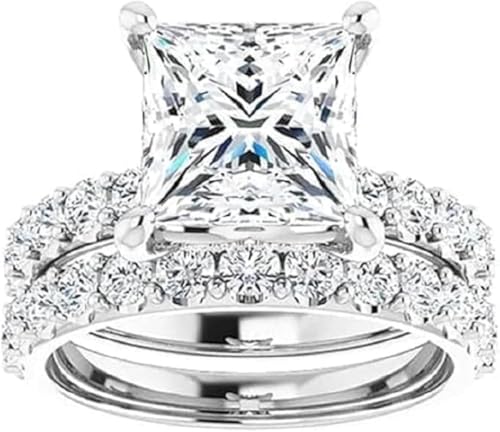
Pavé or Channel Set
For added sparkle, a pavé or channel setting features small diamonds along the band. A pavé band (tiny, bead-set diamonds) adds a delicate shimmer, while a channel setting (diamonds set between two walls of metal) offers a sleek, secure look. These settings can be found on many diamond engagement rings for women.
Halo Setting
A halo is a ring of smaller diamonds that surrounds the center stone. This setting can make the princess cut appear significantly larger and adds an extra layer of intense sparkle. It's a glamorous choice for those who want maximum impact.
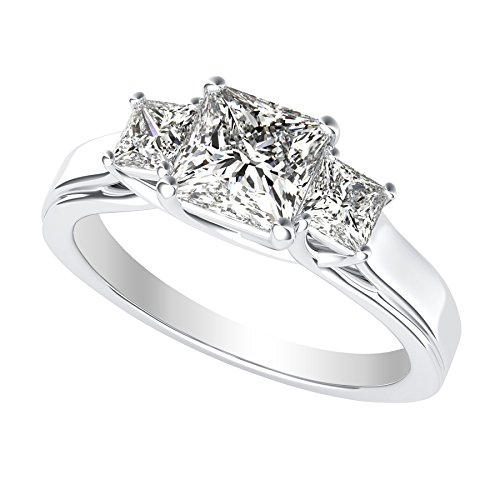
Three-Stone
A three-stone setting features a center princess cut flanked by two smaller side stones (often round or another princess cut). This style symbolizes the past, present, and future of your relationship, making it a deeply meaningful choice.
How to Stack with Wedding Bands
One of the most common questions is how to pair a princess cut engagement ring with a wedding band. Because of the square shape, a straight, flat band may not sit completely flush against the engagement ring.
Here are the best solutions:
- Contoured Band: A curved or contoured wedding band is specifically designed to hug the shape of your engagement ring, allowing them to sit perfectly together. This is the most common and practical solution.
- Straight, Sleek Band: If you don't mind a small gap, a straight, sleek band in a matching metal can create a very modern and minimalist look. The slight gap can actually add to the visual appeal.
- Diamond-Accented Band: A band with a row of diamonds (like pavé or channel set) will complement the sparkle of your princess cut. You can even find a ring and wedding band set that is pre-coordinated for a perfect match.
The 4Cs for Princess Cuts
When buying a princess cut diamond, the standard 4Cs (Cut, Color, Clarity, Carat) apply, but with a few special considerations:
Cut
This is the most important factor for a princess cut. A well-cut princess diamond will have a sharp, crisp "X" pattern on the table (the flat top surface) and no "bow-tie" effect (a dark, bow-tie-shaped area in the center). Look for a diamond with a "Very Good" or "Excellent" cut grade to ensure maximum brilliance.
Color
Princess cuts can hide color slightly better than round brilliants, so a near-colorless grade (G-J) is often a great value. However, if you are setting the diamond in platinum or white gold, you may want to aim for a higher color grade (D-F) to avoid any visible warmth.
Clarity
The clarity grade refers to the presence of inclusions (internal flaws) and blemishes. For a princess cut, clarity is particularly important because the large, flat table makes any inclusions more visible. Aim for a clarity grade of VS1 or VS2, which is typically "eye-clean" and offers a great balance of quality and value.
Carat
Carat is the weight of the diamond. As mentioned, princess cuts typically look larger than their carat weight suggests. When choosing a carat weight, remember that a well-cut, slightly smaller diamond can often appear more brilliant than a poorly cut, larger one. For a truly stunning and high-end look, a luxury wedding ring with a high-carat princess diamond is unmatched.