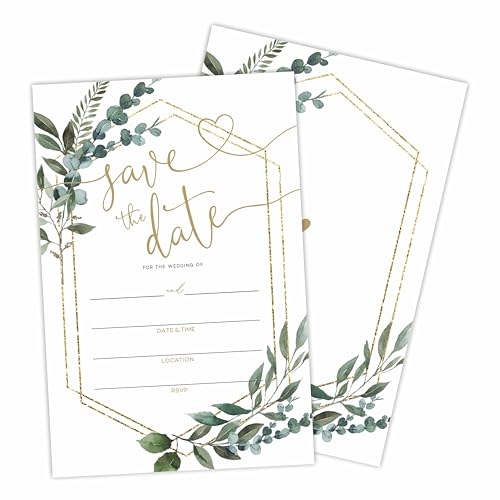
Save the Dates: The Ultimate Guide to Announce Your Wedding
"Your first chance to make a lasting impression. Learn how to design, order, and send save the dates with confidence and style."
Your wedding date is set, the venue is booked, and the excitement is building. Now it's time to share the news with your loved ones. Save the dates are more than just a formality—they are your first opportunity to set the tone for your wedding and give your guests the heads-up they need to plan ahead.
Unlike a formal invitation, a save the date is a casual yet essential piece of communication that tells your guests to mark their calendars. It's particularly crucial for destination weddings or events during busy holiday weekends. This guide will walk you through everything you need to know about creating and sending save the dates that are both beautiful and effective.
What Are Save the Dates?
A save the date is a preliminary announcement sent to your guest list before the formal wedding invitation. Its primary purpose is to inform people of your wedding date and location so they can make travel arrangements, request time off work, and budget for the event. They are typically sent as a physical card, but digital versions are becoming increasingly popular.
Think of save the dates as a friendly "heads-up" and your formal wedding invitations as the official summons with all the details. The save the date is more flexible in design and tone—it can be playful, romantic, or modern, reflecting your personality as a couple.
When to Send Them
Timing is everything when it comes to save the dates. Send them too early and people might forget; send them too late and guests may not be able to make arrangements.
💡 The Golden Rule: Send your save the dates 6 to 8 months before your wedding date. For a destination wedding or a wedding during a busy holiday weekend, send them 8 to 12 months in advance.
This timeline gives your guests ample opportunity to secure flights, book accommodation, and arrange their schedules. It also allows you to gauge initial interest, which can be helpful for planning your guest list and budget.
Essential Information to Include
A save the date doesn't need to contain every detail, but it must include the core information that allows guests to plan. At a minimum, include:
- Your Names: Obviously, who is getting married!
- The Wedding Date: Include the day of the week, month, date, and year.
- The Location: The city and state (or country) where the wedding will take place. You don't need to list the specific venue yet.
- A Note that an Invitation Will Follow: A simple phrase like "Formal invitation to follow" manages expectations.
- Your Wedding Website: This is optional but highly recommended. A URL where guests can find travel and accommodation information is incredibly helpful.
Pro Tip: If you're having a destination wedding, consider including a small insert with a list of recommended hotels or a link to your travel page. This is a thoughtful gesture that your guests will appreciate.
Design & Format Options
Save the dates come in a variety of formats, from classic paper cards to modern digital designs. Your choice will depend on your budget, timeline, and personal style.
Paper Save the Dates
Traditional paper cards are the most formal and tangible option. They can be designed as magnets, postcards, or standard cards in envelopes. They're perfect for a more classic or elegant wedding and serve as a lovely keepsake for guests.
Consider save the date cards that match the aesthetic of your wedding. You can find a wide range of designs, from minimalist to floral, to suit any theme.
Digital Save the Dates
Digital save the dates are eco-friendly, budget-friendly, and instant. They are ideal for last-minute planning or for a more casual, modern wedding. You can send them via email or social media, often linking directly to your wedding website.
Many couples use a save the date template to create a beautiful digital design that can be shared with a single click.
Whichever format you choose, ensure the design reflects the overall feel of your wedding. A formal black-tie affair calls for a more elegant design, while a beach party can have a more relaxed and playful vibe.
Save the Date Etiquette
There are a few key etiquette rules to keep in mind when sending save the dates to avoid confusion or hurt feelings.
- Only Send to "Must-Invite" Guests: A save the date is a promise of an invitation. Only send them to people you are 100% certain you will invite to the wedding. If your guest list is still fluid, it's best to wait.
- Be Clear About Plus-Ones: If you are not offering a plus-one to a guest, address the save the date only to the invited person. This avoids awkward assumptions. For more on this, see our guide to plus-one etiquette.
- Don't Mention the Registry: It is considered impolite to mention gifts or your registry on a save the date. That information belongs on your wedding website or on the formal invitation.
- It's Not a Formal Invitation: Remember that a save the date does not require an RSVP. It's just a courtesy notice.
Following these simple rules will ensure your save the dates are well-received and set the right expectations for your big day.
DIY vs. Professional Printing
When it comes to creating your save the dates, you have two main options: do it yourself (DIY) or use a professional printing service. Both have their advantages.
DIY: For the crafty couple, DIY save the dates can be a fun and personal project. You can use templates and print them at home or a local print shop. This option is often more budget-friendly and allows for complete creative control. However, it can be time-consuming and may not achieve the same polished finish as professional printing.
Professional Printing: Using a professional printer or an online service guarantees a high-quality finish with options like foil stamping, letterpress, and premium paper stocks. This is the best choice if you want a truly luxurious feel or have a complex design. While it's a higher-tier investment, the result can be stunning and save you a lot of time and hassle.
Consider your skills, timeline, and the level of formality you want to achieve when making your decision.