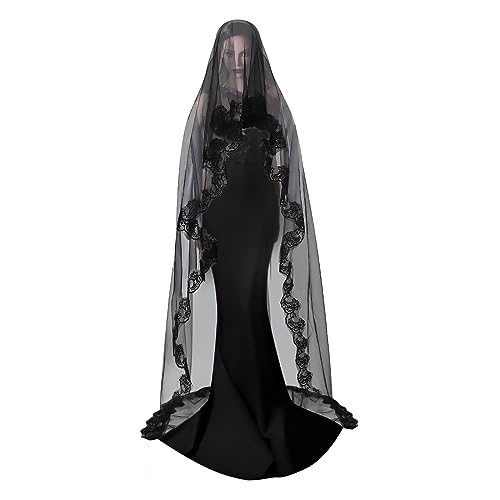
Wedding Dress Veils: The Ultimate Guide to Styles & Lengths
"The finishing touch that transforms a gown into a bridal masterpiece. Discover how to choose, style, and wear the perfect veil."
The wedding dress may be the star of the show, but the veil is the accessory that elevates your entire bridal look. It adds an ethereal, romantic quality that photographs beautifully and creates a sense of drama as you walk down the aisle. However, with so many lengths, fabrics, and styles to choose from, finding the right veil can feel overwhelming.
Whether you envision a dramatic cathedral train or a chic vintage birdcage, this guide will walk you through everything you need to know. By understanding how veils interact with your gown and your hairstyle, you can make a confident choice that feels authentically you.
Why Wear a Veil? Symbolism & Style
Historically, veils symbolized modesty and protection, but today they are purely a fashion statement. A veil frames your face, draws attention to your dress, and adds a layer of texture and movement that no other accessory can provide. For many brides, putting on the veil is the moment they truly feel "bridal."
💡 Styling Tip: A veil is not mandatory. If you have a stunning backless gown or intricate hairpiece, you might choose to skip the veil entirely. The most important rule is to wear what makes you feel beautiful and confident.
Veil Lengths: From Blusher to Cathedral
The length of your veil is the most important decision you'll make. It dictates the overall vibe of your look and must complement the silhouette of your dress.
Blusher Veil
A short, single-tier veil that covers the face and falls to the shoulder or chin. It is traditionally worn during the ceremony and lifted for the first kiss. Perfect for adding a touch of tradition to any gown.
Fingertip Veil
The most popular and versatile length. It ends right at the fingertips when your arms are at your sides. It flatters almost every gown silhouette and is easy to manage throughout the day.
Waltz Veil
Falls between the knees and the ankles, typically around 60 inches long. It is a graceful choice for formal weddings and adds a bit more drama than a fingertip veil without the bulk of a cathedral length.
Chapel Veil
Falls to the floor and extends slightly beyond the hem of your gown, usually by a few inches. It is elegant and formal, ideal for church weddings or traditional ceremonies.
Cathedral Veil
The most dramatic and formal length. It extends several feet beyond your gown's train and creates a breathtaking, sweeping effect. Best for grand venues and confident brides who want maximum impact.
Royal Cathedral Veil
Even longer than a standard cathedral veil, often extending 10 feet or more. Reserved for the most formal, high-end weddings. It requires a dedicated attendant to manage it throughout the day.
Popular Veil Styles & Materials
Beyond length, the style and material of your veil determine its texture and overall aesthetic. Here are the most common options:
1. Tulle
The classic veil material. It is lightweight, sheer, and available in various stiffness levels. Soft tulle drapes beautifully, while stiff tulle holds its shape for a more structured look.
2. Lace
Lace veils add a vintage, romantic touch. They can be made entirely of lace or feature lace appliqués along the edges. Chantel lace is a popular choice for its intricate, delicate patterns.
3. Birdcage Veil
A vintage-inspired, short veil that covers the forehead and eyes, typically attached to a fascinator or headband. It is perfect for retro-themed weddings or brides seeking a chic, alternative look. Explore more bridal veil options to find the perfect match for your style.
4. Mantilla Veil
A Spanish-style lace veil that is worn over the head and drapes over the shoulders. It is often circular in shape and edged with intricate lace. Ideal for destination weddings and cultural ceremonies.
How to Match Your Veil to Your Gown
The key to a cohesive bridal look is ensuring your veil complements—not competes with—your gown. Here are some guidelines:
For A-Line & Ball Gowns: A cathedral or chapel veil works beautifully, as the volume of the veil balances the fullness of the skirt.
For Mermaid & Trumpet Gowns: A fingertip or waltz veil is ideal. It highlights the curves of the dress without hiding them.
For Sheath & Column Gowns: A sleek, single-tier veil (fingertip or floor-length) maintains the clean lines of the dress. Avoid heavy, multi-tier veils.
For Tea-Length Gowns: A blusher or elbow-length veil keeps the vintage vibe intact.
If your dress is heavily embellished with lace or beading, opt for a simple, sheer veil. If your gown is minimalist, you can afford to choose a veil with lace, embroidery, or pearl details. For more inspiration on gown styles, you might browse our guides on dresses to wear to a wedding or beach wedding dresses.
Veils & Hairstyles: A Perfect Pairing
Your hairstyle will dictate how your veil is attached and how comfortable you feel throughout the day.
- Updos: A veil can be tucked under or over an updo. For a secure hold, attach the comb at the crown of your head, where the updo is anchored. This works well with bridal hair styles for long hair or up do hairstyles.
- Half-Up, Half-Down: A veil placed at the crown creates a romantic, ethereal look. This pairs beautifully with bridal hairstyle half up half down.
- Down & Loose: For flowing waves, choose a lightweight veil that won't tangle. A hairstyle for curly hair for wedding looks stunning with a simple tulle veil.
- Short Hair: A birdcage veil or a short blusher is ideal for brides with short hair.
💡 Pro Tip: Always bring your veil to your hair trial. Your stylist can show you exactly how to attach it and ensure it stays secure during the ceremony and reception.
Buying Tips: What to Look For
When shopping for a veil, keep these factors in mind:
- Comb Attachment: Look for a flexible metal or plastic comb that grips the hair securely without slipping. A well-attached comb is the difference between a stress-free day and constant readjustment.
- Edge Finish: Veils can have a raw cut edge, a ribbon edge, or a lace edge. A raw cut edge is the most affordable and invisible. Ribbon and lace edges add a polished, luxurious feel.
- Material Quality: High-quality materials like bridal illusion tulle are softer and more photogenic than stiff, inexpensive netting. If you are considering DIY, check our DIY wedding flowers guide for inspiration on customizing your accessories.
- Try Before You Buy: Whenever possible, try on veils with your actual dress. A veil that looks stunning on the hanger may not suit your gown's neckline or silhouette.