Bridal Bouquet Preservation: Keep Your Flowers Forever
"Your bouquet is more than flowers—it's a memory. Learn how to preserve it beautifully for a lifetime."
Your bridal bouquet is one of the most personal and emotional elements of your wedding day. It accompanies you down the aisle, features in every photo, and carries the scent and beauty of your love story. But after the celebration ends, fresh flowers will wilt within days. Bridal bouquet preservation allows you to transform those fleeting blooms into a lasting keepsake—a work of art you can display in your home forever.
Whether you dream of a stunning resin block, a framed pressed-flower piece, or a delicate dried arrangement, there are several preservation methods to choose from. This guide will walk you through each option, helping you decide which is best for your bouquet and your lifestyle. If you're still in the planning stages, you might also want to explore our guide on how to choose the perfect bouquet of flowers for a wedding to ensure your blooms are preservation-friendly from the start.
Why Preserve Your Bridal Bouquet?
Preserving your bouquet is about more than just keeping flowers. It's about capturing a moment in time. Many brides feel a deep emotional connection to their bouquet—it was there when you said your vows, when you hugged your parents, and when you danced the night away. Preservation turns that emotional connection into a tangible piece of art.
💡 A Keepsake That Lasts: A professionally preserved bouquet can last for decades, becoming a family heirloom. Imagine showing your grandchildren the flowers you carried on your wedding day—a beautiful way to pass down your story.
Beyond the sentimental value, preservation is also an eco-friendly choice. Instead of throwing your bouquet away, you're giving it a second life. Plus, preserved flowers make stunning home decor that sparks conversation and brings back happy memories every time you see them.
Before you decide on a preservation method, consider the type of flowers in your bouquet. Some flowers, like roses, peonies, and hydrangeas, preserve beautifully. Others, like lilies or tulips, can be more challenging. If you're planning your bouquet, you may want to read our guide on bouquets of peonies—a flower that preserves exceptionally well and is a favorite for bridal bouquets.
Resin Preservation: The Modern Keepsake
Resin preservation has become one of the most popular methods for preserving bridal bouquets. It involves encasing dried flowers in clear epoxy resin, creating a solid, glass-like block that showcases your flowers in stunning detail. The result is a modern, elegant piece that can be displayed as a paperweight, a decorative block, or even incorporated into jewelry or coasters.
Resin Blocks & Shapes
This method involves pouring resin into molds to create geometric shapes, such as cubes, pyramids, or hexagons. It's perfect for displaying a few statement blooms or a small cluster of flowers. The clear resin magnifies the colors and details of the petals, making it a striking centerpiece for any shelf or coffee table.
Resin Jewelry & Keepsakes
For a more wearable option, smaller flowers or petals can be encased in resin to create pendants, rings, or earrings. This is a beautiful way to carry a piece of your wedding day with you wherever you go. It's also a thoughtful gift for your mother or bridesmaids. If you're looking for gift ideas, our guide on best bridesmaid gifts has more inspiration.
Resin preservation is a multi-step process. First, the flowers must be completely dried—usually using silica gel—to remove all moisture. Any remaining moisture will cause the resin to become cloudy or trap air bubbles. Once dried, the flowers are arranged in a mold, and resin is poured in layers. Each layer must cure before the next is added, which is why the process can take several weeks.
💡 Pro Tip: Resin preservation is best left to professionals if your bouquet holds deep sentimental value. The process requires precise measurements, a dust-free environment, and a lot of patience. A single mistake can ruin the entire piece. If you're a confident DIYer, practice with inexpensive flowers first before attempting it with your wedding bouquet.
Pressing Flowers: Timeless & Artistic
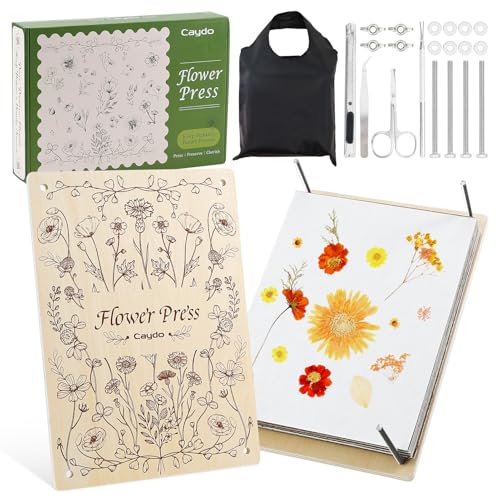
Flower pressing is one of the oldest and most accessible preservation methods. It involves flattening flowers between sheets of paper and pressing them under heavy books or using a flower press. The result is delicate, flat flowers that can be framed, used in scrapbooks, or turned into custom art.
Pressing works best with flowers that have a flat, single layer of petals, such as pansies, daisies, and certain types of roses. Thicker flowers, like peonies or hydrangeas, need to be separated into smaller sections before pressing. The process typically takes 2 to 4 weeks, depending on the thickness of the flowers and the humidity in the air.
Once pressed, your flowers can be arranged into a beautiful frame, combined with your wedding invitation, or even used to create custom stationery. This method is incredibly versatile and allows for a lot of creative freedom. For more inspiration on floral arrangements, you might enjoy our article on bouquet with calla lilies—calla lilies press beautifully and add an elegant touch to any pressed-flower project.
Silica Gel Drying: The Classic Method
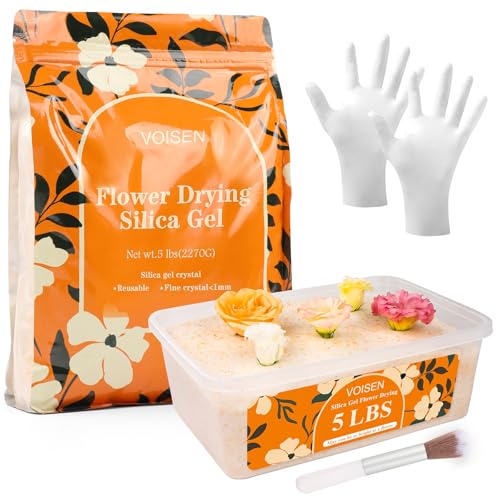
Silica gel drying is a popular method for preserving the 3D shape of flowers. Unlike pressing, which flattens the flowers, silica gel dries them while maintaining their original form. This method is ideal for roses, peonies, and other full blooms that you want to keep looking as close to their fresh state as possible.
The process involves burying the flowers in a container filled with silica gel crystals. The gel absorbs moisture from the flowers, drying them out over the course of 3 to 7 days. Once dried, the flowers can be arranged in a shadow box, displayed in a vase, or used in a resin project.
💡 Choosing the Right Silica Gel: There are two types of silica gel available: fine powder and coarse crystals. Fine powder is faster but can leave a dusty residue on the petals. Coarse crystals are slower but gentler, making them a better choice for delicate flowers. You can find both types at most craft stores or online.
One of the advantages of silica gel drying is that it preserves the color of the flowers better than air drying. However, some flowers may still fade slightly. To enhance the color, you can use a floral spray or paint after drying. If you're interested in preserving other aspects of your wedding, our guide on bridal gown preservation covers how to keep your dress in perfect condition for years to come.
Air Drying: Simple & Rustic
Air drying is the simplest and most budget-friendly method for preserving your bouquet. It involves hanging the flowers upside down in a dark, dry, well-ventilated space. Over the course of 2 to 3 weeks, the flowers will dry naturally, taking on a rustic, vintage appearance.
Air drying works best with flowers that have a naturally dry texture, such as lavender, baby's breath, and strawflower. It's also a great option for creating a boho or rustic aesthetic. However, air-dried flowers can become brittle and may lose some of their color, so they are best used for decorative purposes rather than keepsakes that need to last for decades.
If you choose to air dry your bouquet, handle the dried flowers gently. They can be displayed in a vase, hung on a wall, or incorporated into a wreath. For more rustic wedding inspiration, you might enjoy our guide on boho wedding ideas, which features air-dried flowers as a key decor element.
DIY vs. Professional Preservation
One of the biggest decisions you'll face is whether to preserve your bouquet yourself or hire a professional. Both options have their merits, and the right choice depends on your comfort level, time, and the sentimental value of your bouquet.
DIY preservation is a great option if you're crafty and want to save money. Pressing and silica gel drying are very beginner-friendly and require minimal supplies. Resin preservation is also possible for DIY enthusiasts, but it requires more practice and patience. If you go the DIY route, be sure to start the process as soon as possible after your wedding—fresh flowers wilt quickly, so the sooner you begin, the better the results.
Professional preservation is the way to go if you want a guaranteed, high-quality result and don't want to risk damaging your bouquet. Professionals have the expertise and equipment to handle even the most delicate flowers, and they can create custom pieces that truly capture the beauty of your bouquet. While it's an investment, many brides find it well worth the peace of mind.
💡 Timing Matters: Whether you choose DIY or professional preservation, timing is critical. Fresh flowers should be preserved within 1 to 3 days of your wedding. If you're hiring a professional, arrange for them to pick up your bouquet immediately after the ceremony. If you're doing it yourself, plan to start the process the day after your wedding.
Another factor to consider is the type of flowers in your bouquet. Some flowers, like roses and peonies, are relatively easy to preserve. Others, like orchids or calla lilies, can be more challenging. If you're unsure, consult with a professional who can advise you on the best method for your specific bouquet. For more floral inspiration, explore our articles on bridal flower bouquet and bokay of flowers for wedding.