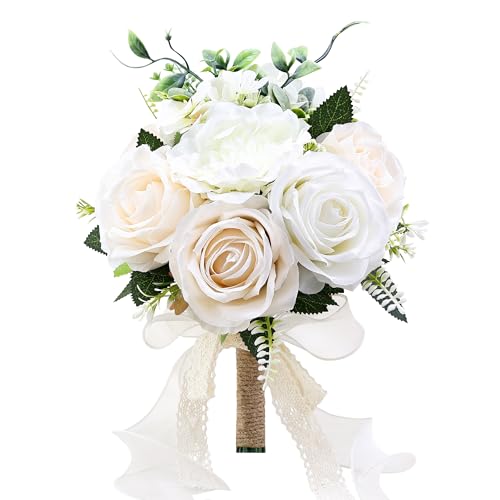
The Bridal Flower Bouquet: Your Complete Guide
"From shape and bloom selection to preservation—everything you need to carry the perfect bouquet down the aisle."
The bridal flower bouquet is more than an accessory—it is one of the most photographed details of your entire wedding day. It sits center-frame in your ceremony portraits, appears in nearly every formal photograph, and becomes the emotional keepsake you reach for years later. Yet many couples treat it as an afterthought, choosing blooms at the last minute without considering how the bouquet interacts with the dress, the venue, or the overall theme.
This guide walks you through every decision—shape, flower type, color, budget tier, and preservation—so you can walk down the aisle holding something you genuinely love. Whether you are planning a boho celebration in a wildflower field or a formal ballroom affair, the right bouquet ties everything together.
💡 Quick Reality Check: A professional florist-designed bridal bouquet typically sits in the mid-range to premium tier, while a luxury statement bouquet with imported blooms climbs into the top-tier category. If that stretches your budget, a well-crafted bouquet of flowers for a wedding assembled from quality silk stems can deliver the same visual impact for a fraction of the investment—and it lasts forever.
Why the Bouquet Matters More Than You Think
Photographers will tell you the same thing: the bouquet is in roughly 70% of your formal portraits. It appears in your hands during the processional, during the vows, during the recessional, and in nearly every couple's portrait. Unlike your dress—which is largely seen from a distance—the bouquet is captured in close-up detail. Petal texture, color accuracy, and shape all become permanent parts of your wedding gallery.
Beyond photography, the bouquet carries emotional weight. It is the item most commonly preserved, most commonly passed down, and most commonly photographed on anniversaries. If you plan to preserve your bridal bouquet, the choices you make now directly affect how well it survives the preservation process. Certain blooms press beautifully; others crumble. Certain colors hold; others fade to brown within months.
There is also a practical dimension. A bouquet that is too heavy will tire your arms during a long ceremony and photo session. A bouquet that is too small will disappear against a voluminous gown. Getting the balance right requires thinking about the dress silhouette first, then working outward to shape and bloom selection.
Bouquet Shapes & Dress Pairings
The shape of your bouquet should echo—not compete with—the silhouette of your gown. A general rule: the more structured and voluminous the dress, the more structured the bouquet. The more fluid and minimal the dress, the more relaxed the bouquet can be.
Round / Posy
A tight, dome-shaped arrangement of blooms with minimal greenery showing. Classic, symmetrical, and endlessly photogenic. The most traditional choice for a reason—it works with almost everything.
Best for: Ball gowns, A-line, sheathCascade / Teardrop
Flowers and greenery flow downward from the center, creating a dramatic waterfall effect. Extremely elegant and formal, but heavier than other shapes—plan for arm fatigue during long ceremonies.
Best for: Mermaid, trumpet, ball gownsNosegay
A small, compact cluster of blooms—often just one or two flower varieties—with minimal foliage. Understated and refined. Popular for elopements and intimate ceremonies.
Best for: Sheath, column, minimalist gownsHand-Tied
Loose, organic stems gathered naturally and secured with ribbon. The bouquet looks as though it was just picked from a garden. The defining shape of the boho and rustic wedding aesthetic.
Best for: A-line, flowy, bohemian gownsComposite
Individual petals are wired together to form one giant, perfect bloom—usually a rose or peony. Stunning in close-up photography but delicate and requires professional construction.
Best for: Any gown, statement photographySingle-Stem
One oversized bloom—a sunflower, protea, or king protea—held alone with a ribbon-wrapped stem. Bold, modern, and incredibly photogenic. Also the lightest option.
Best for: Minimalist, modern, destination gowns💡 Pro Tip: Bring a photo of your dress to your florist consultation. The neckline, waistline, and skirt volume all influence which bouquet shape will look most balanced. A florist who sees the dress will make better recommendations than one working from a verbal description alone.
Choosing Your Blooms by Tier
Not all flowers are created equal—and the difference shows up in longevity, fragrance, petal structure, and availability. The table below organizes the most popular bridal bouquet flowers by their position in the market, using universal tier descriptors rather than specific figures.
| Flower | Market Tier | Best For | Notes |
|---|---|---|---|
| Carnations | Entry-Level | Budget bouquets, filler | Extremely hardy, long-lasting, and available year-round. Modern varieties come in elegant shades far removed from the old-school image. |
| Chrysanthemums | Entry-Level | Volume, autumn weddings | Dense petal structure creates excellent visual weight. Works beautifully in round and hand-tied shapes. |
| Tulips | Mid-Range | Spring weddings, simple bouquets | Elegant and minimal. A bouquet of tulips is timeless for spring ceremonies. Note: tulips continue to grow after cutting, so stems shift slightly throughout the day. |
| Roses | Mid-Range | Every style, every season | The most versatile bridal flower. Garden roses offer a fuller, more romantic look than standard varieties. |
| Calla Lilies | Mid-Range | Modern, architectural bouquets | Sculptural and elegant. A bouquet with calla lilies reads as sophisticated and contemporary. Works beautifully as a single-variety bouquet. |
| Peonies | Premium | Romantic, lush bouquets | Highly seasonal and highly desired. Bouquets of peonies are the gold standard for romantic weddings, but availability is limited to a narrow window. |
| Ranunculus | Premium | Layered, delicate bouquets | Dozens of thin petals create a tissue-paper effect. Stunning in blush and cream palettes. |
| Lily of the Valley | Luxury | Royal, traditional weddings | Tiny bell-shaped blooms with an iconic fragrance. Extremely delicate and labor-intensive to arrange. |
| Imported Orchids | Luxury | Statement, black-tie weddings | Exotic varieties flown in from tropical growers. Dramatic, long-lasting, and unmistakably high-end. |
If you are working within a tighter budget, the smartest strategy is to anchor the bouquet with one premium bloom and surround it with entry-level and mid-range fillers. A handful of peonies surrounded by carnations and eucalyptus reads as far more luxurious than a bouquet made entirely from entry-level stems.
For couples planning a beach ceremony, consider how heat and humidity affect different blooms. A bouquet of flowers for a wedding made from heat-tolerant varieties—or high-quality silk alternatives—will hold up far better than delicate seasonal blooms that wilt within an hour.
Color Palette & Seasonal Guide
Your bouquet color palette should relate to—but not exactly match—your overall wedding colors. The most photographed bouquets use two or three colors with one accent, rather than a rainbow of competing hues.
The Classic Palettes
- All-White & Ivory: The most timeless and versatile choice. Photographs beautifully in any lighting and never clashes with bridesmaid dresses. Works for every season and every venue type.
- Blush & Cream: Soft, romantic, and incredibly flattering in photographs. Pair with gold or rose-gold accents. Ideal for spring and summer weddings.
- Burgundy & Deep Red: Rich, dramatic, and perfect for autumn and winter ceremonies. Pairs beautifully with navy, charcoal, and forest green.
- Dusty Blue & Sage: The defining palette of modern rustic and boho weddings. Cool tones that photograph well in natural light.
- Bright & Colorful: Bold mixtures of coral, yellow, and orange. Best for garden parties, destination weddings, and couples who want personality over tradition.
Seasonal Availability Matters: Peonies are a spring flower. Dahlias peak in late summer. Ranunculus thrives in cool weather. If you have your heart set on a specific bloom, confirm availability with your florist before finalizing your wedding date—or be prepared to pay premium-tier prices for out-of-season imports.
How to Build a DIY Bouquet
Building your own bridal bouquet is entirely achievable—and it is one of the most satisfying wedding projects you can take on. Here is the step-by-step method used by experienced DIY brides and event stylists.
-
Gather Your Supplies
You will need: your chosen blooms (real or high-quality silk), floral tape, floral wire, sharp scissors or shears, ribbon of your choice, and a bouquet holder if you want extra structure. For silk bouquets, a hot glue gun is essential.
-
Prepare Your Stems
Strip all leaves and thorns from the lower two-thirds of each stem. For real flowers, cut stems at a 45-degree angle and place them in water immediately. For silk flowers, trim stems to your desired length and bend wire stems as needed.
-
Build the Foundation
Start with a base of greenery. Hold three to five stems together and wrap them tightly with floral tape. This becomes the anchor around which everything else is built. Greenery provides volume without adding weight.
-
Add Focal Blooms
Place your largest, most important blooms first. Work in odd numbers—three, five, or seven focal flowers create a more natural look than even numbers. Rotate the bouquet frequently to check balance from every angle.
-
Fill in With Secondary Flowers
Tuck smaller blooms into the gaps between your focal flowers. This is where texture comes from—mix round blooms with spiky ones, matte petals with glossy ones. Step back and assess the overall shape every few stems.
-
Wrap and Secure
Once the arrangement feels complete, wrap the stems tightly with floral tape from top to bottom, then back up again. This locks everything in place. For silk bouquets, secure each stem with a small dot of hot glue before taping.
-
Finish With Ribbon
Wrap your chosen ribbon around the taped stems, starting from the top and spiraling downward. Secure the end with pins or glue. Add a decorative brooch, lace overlay, or trailing ribbon tails for a personal touch.
💡 The Night-Before Rule: If you are using real flowers, build the bouquet the morning of the wedding—not the night before. Real blooms need water and cool temperatures to stay fresh. If you must assemble early, store the finished bouquet in a refrigerator (not the freezer) wrapped in a damp towel. Silk bouquets can be assembled weeks in advance with zero risk.
If DIY feels overwhelming, consider assembling a smaller practice bouquet first using inexpensive stems from a grocery store. The muscle memory you build will make the real thing far less stressful.
Preserving Your Bouquet Forever
One of the most common regrets brides express is not preserving their bouquet. The good news: there are several reliable methods, and the right one depends on what you want the final result to look like.
Freeze-Drying
The gold standard for preserving an entire bouquet in its original three-dimensional shape. Best done professionally within a few days of the wedding. Preserves color and form remarkably well.
Pressing
Individual blooms are pressed flat between weighted paper and later framed. Ideal for creating wall art or adding dried petals to resin keepsakes. Works best with flat-petaled flowers.
Resin Casting
Dried flowers are embedded in clear resin to create paperweights, coasters, jewelry, or display blocks. Extremely durable and modern. Requires fully dried blooms for best results.
Regardless of which method you choose, the most important step happens immediately after the wedding: keep the bouquet in fresh water, store it in a cool dark place, and contact your preservation specialist within 24–48 hours. The fresher the blooms when preservation begins, the better the final result.
If you are using a silk bouquet, preservation is unnecessary—you already have a permanent keepsake. This is one of the strongest arguments for choosing high-quality silk blooms, especially for destination weddings where transporting a fresh bouquet home is impractical.