Bridal Gown Preservation: Protect Your Dress Forever
"Your wedding dress is a work of art and a piece of your history. Learn how to clean, store, and preserve it so it remains flawless for generations to come."
Your wedding gown is more than just a dress. It is a tangible memory of one of the most important days of your life, a garment that holds the echoes of your vows, your first dance, and the tears of joy shared with loved ones. Whether you plan to pass it down to a future generation, keep it as a cherished keepsake, or simply want to ensure it remains in pristine condition, bridal gown preservation is the key to protecting your investment.
Many brides are unsure about the best way to care for their dress after the wedding. Should you clean it yourself? Can you store it in a plastic bag? Is professional preservation truly necessary? This guide will answer all your questions and provide a clear, actionable path to preserving your gown for decades to come.
Why Preservation Matters
After the wedding, your dress may look clean to the naked eye, but it likely carries invisible stains from perspiration, champagne, cake frosting, or even clear liquids like white wine. These substances are often transparent when they dry but oxidize over time, turning into yellow or brown stains that are nearly impossible to remove.
Furthermore, improper storage can cause irreversible damage. Light, heat, humidity, and even the wrong type of box can degrade delicate fabrics like silk, lace, and satin. Preservation is a proactive step to halt this natural decay and ensure your gown remains an heirloom, not a regret. If you are also looking to preserve other sentimental items, you might consider bridal bouquet preservation to keep your flowers as beautiful as your dress.
💡 The Preservation Timeline: The ideal window to preserve your gown is within 30 days of your wedding. The longer you wait, the more time stains have to set and become permanent. If you cannot preserve it immediately, keep the dress in a cool, dark, and dry place—never in a damp basement or a hot attic.
Cleaning vs. Preservation: What's the Difference?
These two terms are often used interchangeably, but they describe distinct processes. Understanding the difference is crucial to making an informed decision.
Professional Cleaning
This step focuses on removing visible and invisible stains from the gown. A specialist will inspect the dress for all types of stains—including those you cannot see—and use gentle, fabric-specific solvents to lift them. Cleaning is the essential first step before any preservation can occur.
Full Preservation
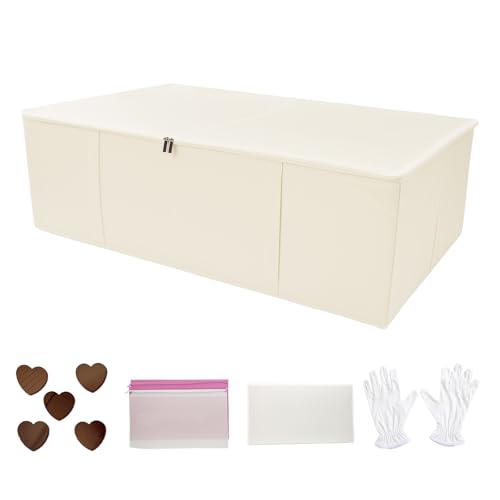
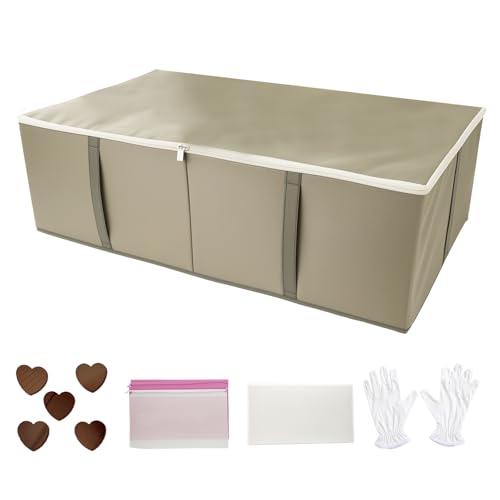
Preservation is a comprehensive process. It begins with expert cleaning, then involves treating the gown with anti-sugar and anti-perspiration agents to neutralize any remaining residues. Finally, the gown is carefully folded with acid-free tissue paper and sealed in an archival-quality, acid-free box designed to block light, moisture, and pests.
In short, cleaning is a part of preservation, but preservation is the complete protection system. A gown that is only cleaned and then stored in a regular plastic garment bag will eventually yellow and deteriorate. The archival materials used in professional preservation are specifically designed to prevent this.
Professional vs. DIY Preservation
You have two main paths for preserving your gown. Each has its own merits and drawbacks.
Professional Preservation
This is the most reliable and recommended option. A professional preservation service, often found through bridal shops or specialized cleaners, will handle every step of the process with expertise. They have the right equipment, chemicals, and archival materials to do the job correctly.
- Expertise: They know how to treat different fabrics, beading, and embellishments.
- Guarantee: Reputable services often offer a guarantee against yellowing for a certain period.
- Convenience: You simply drop off the gown and receive it back ready for storage.
- Peace of Mind: You know the job has been done correctly.
When choosing a service, look for one that is a member of the Association of Wedding Gown Specialists or has verifiable, positive reviews. Your bridal shop may also offer recommendations.
DIY Preservation
For the budget-conscious bride, a DIY approach is possible, but it requires extreme care and research. You would need to clean the gown yourself (spot-treating and hand-washing if the fabric allows), then purchase archival-quality, acid-free boxes and tissue paper.
⚠️ A Word of Caution: DIY preservation is risky. Without professional cleaning, invisible stains will remain. If you use the wrong cleaning method, you can set stains or damage delicate fabrics. If you do not use true archival materials, your gown will yellow. If you are considering DIY because of cost, weigh the value of the dress against the potential for irreversible damage.
What to Look for in a Preservation Service
Not all preservation services are created equal. To ensure your gown is in the best hands, ask these questions:
- Is the cleaning and preservation done in-house? Some companies send gowns to third-party cleaners. You want a service that controls the entire process.
- What type of box do they use? It must be acid-free, lignin-free, and designed for long-term archival storage. It should not be a standard cardboard box.
- Do they offer a guarantee? A written guarantee against yellowing for a specified number of years is a sign of confidence in their work.
- Can you inspect the gown before it is sealed? You should be able to view the cleaned gown before it is packed to ensure you are satisfied with the results.
- Do they use acid-free tissue paper? The gown should be carefully folded with crumpled acid-free tissue paper to prevent creases and allow the fabric to breathe.
Long-Term Storage Tips for Your Preserved Gown
Once your gown has been professionally preserved and sealed in its archival box, proper storage is essential to maintain its condition.
📦 Storage Environment: Store the box in a cool, dry, and dark place. A climate-controlled closet is ideal. Avoid basements (damp), attics (hot and humid), and garages (temperature fluctuations).
🛏️ Storage Position: Keep the box flat, not on its side. This prevents the gown from shifting and creating permanent creases. Do not stack heavy items on top of the box.
👀 Annual Check: Once a year, open the box (if it is designed to be resealed) to inspect for any signs of pests, moisture, or discoloration. If you see any issues, contact a preservation specialist immediately.
🚫 What to Avoid: Never store your gown in a plastic garment bag. Plastic traps moisture and fumes, which can cause yellowing and mildew. Never hang a preserved gown by its straps for long-term storage; the weight can stretch the fabric.