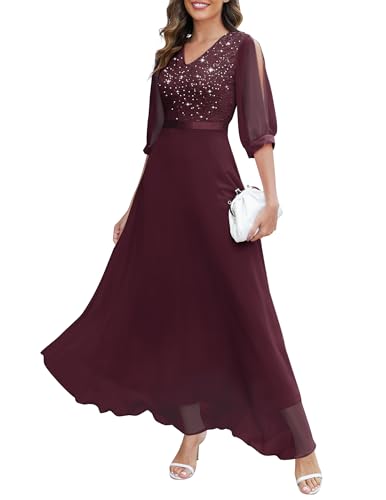
Women Mother of the Bride Dresses: The Complete Guide
"The mother of the bride sets the tone for elegance. Discover how to choose a dress that honors the occasion, flatters your figure, and celebrates the day in comfort and style."
The search for women mother of the bride dresses is one of the most exciting and, admittedly, most stressful fashion journeys a mother will ever take. You are not simply attending a wedding—you are a central figure in the ceremony, standing beside your child as they begin a new chapter. Your dress must reflect that honor while remaining comfortable enough to last through the ceremony, the reception, and hours of photographs.
Unlike bridesmaids, who wear a uniform color and style, the mother of the bride has creative freedom. That freedom, however, comes with subtle etiquette rules and practical considerations. This guide will walk you through every decision, from silhouette and fabric to color coordination and seasonal styling, so you can step into the celebration feeling confident, elegant, and entirely yourself.
The Mother of the Bride's Role and Style
Before you browse a single rack, it helps to understand your visual role in the wedding. The mother of the bride traditionally stands out as the second most prominent woman in the ceremony, after the bride. Your outfit should signal that status without overshadowing the bride. Think of your dress as a frame around a masterpiece: it should be beautiful, refined, and complementary, never distracting.
This means avoiding pure white, ivory, and cream tones, which belong to the bride. It also means steering clear of colors that will clash with the bridal party. The safest approach is to coordinate early with the bride and the mother of the groom. Many families choose a shared color palette and allow each mother to select a dress in a shade that flatters her. If you are planning the wedding alongside the bride, our wedding planning resources can help you map out every detail, including when to shop for family attire.
💡 A Simple Rule: Dress at the same formality level as the bridal party, but in a color and silhouette that feels distinct and age-appropriate. If the bridesmaids are in matching chiffon, you might choose a structured crepe or satin. If they are in short dresses, you are free to choose a long gown—or a short dress if the wedding is daytime and casual.
Choosing the Right Silhouette
The silhouette is the single most important factor in how a dress looks and feels on your body. The goal is to find a shape that skims your figure, highlights your best features, and allows you to move, sit, and hug guests comfortably. Here are the most flattering options for mother of the bride dresses.
The A-Line Dress
The A-line is universally flattering. It is fitted through the shoulders and bodice, then flares gently from the natural waist into a full skirt. This shape conceals the hips and thighs while creating a graceful, elongated line. It works beautifully in every fabric and length, making it a safe and stylish choice for any body type. For a polished, elegant look, explore our collection of A-line mother of the bride dresses.
The Sheath and Column Dress
A sheath dress follows the curves of the body from shoulder to hem without being tight. It is sleek, modern, and incredibly elegant, especially in a structured fabric like crepe or satin. This silhouette suits slender and athletic figures particularly well, but it can also look stunning on curvier women when the fabric has enough stretch and the cut is well-tailored.
The Empire Waist Dress
With a seam just below the bust, the empire waist creates a high, flowing line that skims over the midsection and hips. It is a wonderful choice for women who want a soft, romantic look or who prefer extra comfort around the waist. It pairs beautifully with flowing fabrics like chiffon and georgette.
The Tea-Length and Knee-Length Dress
For daytime, semi-formal, or garden weddings, a shorter hemline can be both practical and chic. A tea-length dress (falling just below the knee to mid-calf) feels vintage and feminine, while a knee-length dress reads as modern and versatile. If you are attending a spring or summer wedding, our guide to dresses to wear to a wedding as a guest offers useful guidance on hemline etiquette.
Color Palettes and Coordination
Color is where the mother of the bride can truly shine. The key is to choose a hue that complements the wedding palette, flatters your skin tone, and photographs well. Here are the most popular and timeless color families for mother of the bride dresses.
- Navy and Midnight Blue: Sophisticated, slimming, and universally flattering. Navy works for every season and pairs beautifully with almost any wedding color scheme.
- Burgundy and Deep Red: Rich, dramatic, and perfect for fall and winter weddings. These tones feel luxurious in velvet or satin.
- Sage, Olive, and Emerald Green: Green is having a major moment. Sage is soft and romantic, while emerald is bold and regal.
- Champagne, Taupe, and Blush: These neutral tones are elegant and understated. They photograph beautifully and never compete with the bride's white gown.
- Dusty Blue and Slate: Cool, calming, and incredibly photogenic. Dusty blue is a favorite for spring and summer weddings.
If you are shopping for a formal evening celebration, our guide to elegant mother of the bride gowns explores richer palettes and dramatic silhouettes. Always request fabric swatches before ordering online, as colors can look very different on a screen.
Seasonal Fabric and Style Guide
The season of the wedding should influence both the fabric and the cut of your dress. A heavy velvet gown in July will be uncomfortable, just as a breezy chiffon dress in December may feel inappropriate.
Spring and Summer
Choose lighter fabrics such as chiffon, georgette, crepe, and mikado. These fabrics drape beautifully and allow air to circulate. Lighter colors—blush, sage, dusty blue, champagne—feel fresh and seasonal. If the wedding is outdoors, consider a sleeveless or short-sleeve silhouette, and bring a lightweight wrap for the evening. Our collection of elegant dresses for mother of the bride includes many breathable, warm-weather options.
Fall and Winter
Cooler months invite richer fabrics: velvet, brocade, heavy satin, and crepe. Long sleeves, three-quarter sleeves, and high necklines are both stylish and practical. Deep jewel tones—burgundy, emerald, navy, plum—look stunning against the season's backdrop. For a comprehensive look at cold-weather styling, see our guide to winter wedding clothes for mother of the bride.
Plus-Size Mother of the Bride Dresses
Every mother deserves to feel beautiful, and the fashion industry has made enormous strides in offering plus-size mother of the bride dresses that are stylish, well-constructed, and comfortable. The key is to focus on fit and fabric rather than hiding your body. A well-tailored dress in a structured fabric will always look more polished than a loose, shapeless garment.
Look for dresses with built-in structure—boning in the bodice, a defined waist seam, or a wrap-style top—that create a flattering line. Empire waists and A-line silhouettes are particularly forgiving, while a V-neckline draws the eye upward and elongates the neck. Our dedicated guides to plus-size mother of the bride dresses and plus-size mother of the bride outfits offer detailed recommendations and styling tips.
Fit Tip: Always order based on your largest measurement and have the dress tailored down. Alterations are far easier than trying to let out a dress that is too small. If you are shopping online, check the brand's specific size chart rather than assuming your usual size.
Matching Formality to the Wedding Dress Code
One of the most common questions mothers ask is how formal their dress should be. The answer lies in the wedding's dress code. Here is a simple breakdown.
- Black-Tie or Formal: Choose a floor-length gown in a luxurious fabric. A structured bodice, elegant draping, and refined accessories are appropriate. Avoid anything too casual or revealing.
- Semi-Formal or Cocktail: A knee-length or tea-length dress in a dressy fabric is perfect. You can experiment with interesting necklines, sleeves, or subtle embellishments.
- Beach or Casual: Opt for lighter fabrics and shorter hemlines. A flowy maxi dress or a elegant knee-length dress in a breathable fabric works well. Avoid heavy beading or floor-length gowns that will drag in the sand.
If the bride is wearing a very full ballgown, the mother of the bride may choose a slimmer silhouette to create visual balance. If the bride is in a sleek sheath, a slightly fuller A-line can provide a beautiful contrast. The goal is harmony, not competition. For more context on dress codes, our guide to semi-formal dress attire for wedding is a helpful reference.
Accessories, Shoes, and Finishing Touches
The right accessories elevate a beautiful dress into an unforgettable ensemble. But restraint is key: the mother of the bride should look polished, not overdone.
Shoes: Comfort is non-negotiable. You will be standing, walking, and possibly dancing for hours. Choose a heel height you can manage confidently, and consider a block heel or a stylish low wedge for outdoor venues. Our guide to wedding shoes for mother of the bride covers comfort-focused options that do not sacrifice style.
Jewelry: Choose one statement piece—a necklace, a pair of earrings, or a bracelet—and let it shine. Pearls, diamonds, and fine metals are timeless. Avoid wearing too many competing pieces.
Hair and Makeup: Your hairstyle should feel like an elevated version of your everyday look. A professional blowout, a soft updo, or polished waves all work beautifully. Our guide to mother of the bride hair style offers inspiration for every hair length and texture.
Outerwear: If the wedding is in a cooler season or the venue is air-conditioned, plan a wrap, shawl, or tailored jacket that complements your dress. A pashmina in a matching or contrasting tone is a classic choice.
💡 Final Fitting Tip: Schedule your final alteration appointment at least two weeks before the wedding. Bring the exact undergarments and shoes you plan to wear so the tailor can hem the dress to the correct length and ensure the fit is perfect.