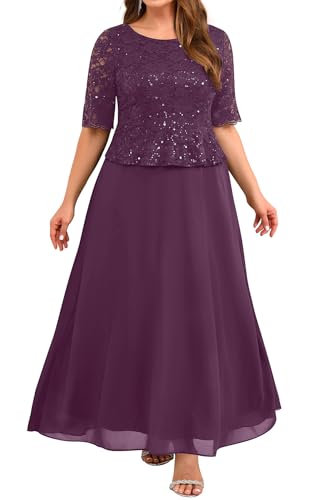
Elegant Dresses for Mother of the Bride
"Sophisticated silhouettes, refined fabrics, and graceful styling advice for the woman who raised the bride."
The mother of the bride holds one of the most visible roles at any wedding. She is in the processional, she is in nearly every family photograph, and she often stands beside the bride during quiet, emotional moments before the ceremony. Her dress should feel elegant, comfortable, and deeply personal—a reflection of her taste that also honors the tone of the celebration.
Finding that perfect balance can feel overwhelming. Between bridal boutique appointments, online marketplaces, and family opinions, it is easy to lose sight of what actually works. This guide walks you through silhouettes, fabrics, color strategy, and coordination etiquette so she can step into the day feeling confident and beautifully dressed. Whether you are exploring mother of bride dresses for the first time or refining a shortlist, the details below will help narrow the search.
Why Timing Matters When Shopping
The single most common mistake families make is waiting too long. Bridal gowns are often ordered six to nine months before the wedding, and the mother of the bride should ideally begin her search around the same time—or shortly after the bride has chosen her gown and the wedding colors are confirmed. Ordering early ensures adequate time for alterations, which are almost always necessary for formal gowns.
Practical timeline: Start browsing six to eight months before the wedding. Order four to six months out. Schedule first fittings six to eight weeks before the event, leaving room for a second fitting and any last-minute adjustments.
If the wedding is a shorter engagement, do not panic. Many retailers and stores for mother of the bride dresses carry in-stock options that can be altered quickly, and off-the-rack pieces are often available in a broader range of sizes. The key is to begin immediately and be flexible on fabric and embellishment.
Flattering Silhouettes for Every Figure
Elegance is never about hiding—it is about proportion, line, and confidence. The right silhouette depends on body shape, personal comfort, and the formality of the event. Below are the most reliable options and who they tend to flatter.
A-Line Gowns
The most universally flattering shape. Fitted through the bodice and gently flared from the natural waist, an A-line skims the hips and creates a balanced, elongated line. It works beautifully for nearly every figure and reads as effortlessly elegant in crepe, chiffon, or satin.
Sheath and Column Dresses
Clean, modern, and sophisticated. A sheath follows the body's natural line without clinging, making it ideal for petite or slender figures and for contemporary, minimalist weddings. Look for a elegant mother of the bride gown with subtle structure at the shoulder to add presence.
Floor-Length Formal Gowns
For black-tie and evening celebrations, mother of the bride floor length dresses convey formality and grace. A sweeping skirt with a defined waist creates a regal silhouette, especially in structured fabrics like mikado or duchess satin.
Plus-Size Options
Curvy figures shine in plus size mother of the bride dresses with thoughtful construction—a defined empire or natural waist, gentle ruching, and a V-neckline that elongates the torso. Avoid stiff, boxy cuts and choose fabrics with a bit of drape.
Necklines and Sleeves That Add Polish
Neckline choice dramatically affects the overall impression. A V-neck elongates the neck and draws the eye upward; a portrait or bateau neckline adds structure and elegance; an off-the-shoulder cut softens the shoulder line and pairs beautifully with an updo. For cooler months or more modest styling, long sleeves in sheer fabric, lace, or beaded mesh add coverage without weight.
Choosing the Right Fabric
Fabric determines how a dress moves, photographs, and feels across a long day. The most refined choices share a common trait: they hold their shape while still allowing graceful movement.
Crepe: Smooth, matte, and modern. Excellent for sheath and column dresses; travels well and resists wrinkles.
Chiffon: Light and flowing. Ideal for A-line and layered skirts; creates soft movement in outdoor and garden settings.
Mikado and Duchess Satin: Structured and luminous. Best for formal floor-length gowns; holds sculptural details beautifully.
Lace and Beaded Mesh: Romantic and ornate. Use as an overlay or sleeve detail rather than full coverage to keep the look refined.
Velvet: Rich and seasonal. A sophisticated choice for fall and winter weddings, particularly in jewel tones.
Consider the venue and season when narrowing fabric options. A lightweight chiffon gown feels right for a mother of the bride beach wedding dress, while a structured satin or mikado gown suits a ballroom or cathedral setting. If the wedding is outdoors in warm weather, prioritize breathable natural fibers and lighter linings.
Color Palettes That Photograph Beautifully
Color is where many mothers of the bride feel the most uncertainty. The guiding principle is simple: complement the wedding palette without competing with the bride or the bridesmaids. White and ivory are off-limits, and shades that photograph as white under bright lighting should also be avoided.
Deep, saturated tones tend to photograph with the most richness and flatter the widest range of skin tones. Navy, burgundy, forest green, plum, and slate blue are dependable choices. If you are drawn to a mother of the bride dress in navy, know that it is one of the most classic and versatile options—it reads as formal, photographs crisply, and pairs easily with metallic accessories.
Lighter palettes work beautifully for daytime and garden weddings. Champagne, blush, sage, dusty blue, and soft metallics feel fresh and elegant without pulling focus. A mother of the bride dresses selection in a muted pastel often pairs well with floral-heavy decor and spring or summer settings.
Photography tip: Ask the photographer or planner about the venue's lighting. Warm uplighting can shift how colors read on camera. Deep jewel tones and cool neutrals tend to hold their color best under both natural and artificial light.
When in doubt, bring fabric swatches to the venue walkthrough or share photos with the planner. Seeing how a color reads in the actual space removes much of the guesswork.
Coordinating With the Mother of the Groom
Etiquette around the two mothers has relaxed considerably, but a few courtesies remain. Traditionally, the mother of the bride chooses her gown first and then shares the color, length, and formality level with the mother of the groom. This avoids accidental matching and ensures both women look cohesive in photographs without looking identical.
Both mothers should aim for a similar level of formality. If the mother of the bride is in a floor-length formal gown, the mother of the groom should also wear a formal dress or a dressy suit. If the wedding is semi-formal or daytime, both can opt for knee-length or midi styles. Coordinating in complementary shades—rather than the exact same color—usually produces the most polished result.
For blended families or situations with multiple mother figures, the same principle applies: agree on formality, avoid direct color matches, and let each woman choose a style that feels authentic to her. Our guide to mother of the bride and groom outfits covers more complex family dynamics in detail.
Accessories, Hair, and Finishing Touches
The most elegant mother of the bride looks are usually the most restrained. A single statement accessory—a strand of pearls, a beaded clutch, or sculptural earrings—is often enough. Let the dress carry the visual weight and keep jewelry intentional rather than layered.
Shoes should prioritize comfort without sacrificing polish. A block heel or a low, elegant pump in a neutral metallic works with nearly every gown and stays comfortable through the processional, photographs, and reception. Bring a pair of dressy flats for later in the evening if the venue involves standing or dancing.
Hair and makeup should feel like an elevated version of her everyday style. A soft updo, a polished blowout, or a classic chignon all suit formal gowns. If she plans to have her hair professionally styled, schedule a trial run several weeks before the wedding. Our guide to mother of the bride hair style options covers looks for every hair length and texture.
Comfort checklist: Break in shoes at home before the wedding day. Test the dress seated, standing, and walking up stairs. Confirm that undergarments and shapewear work with the gown's fabric and cut. Pack a small emergency kit with stain remover, safety pins, and blister patches.
Finally, remember that the most elegant thing a mother of the bride can wear is confidence. A dress that fits well, feels comfortable, and reflects her personal style will always look more polished than a trendier option that feels forced. Take the time to find the right piece, and the rest of the day will follow naturally.