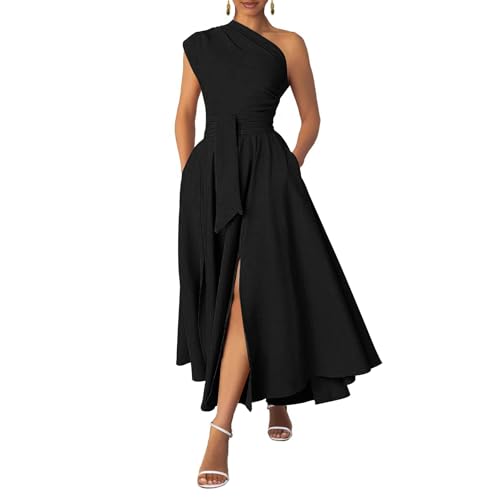
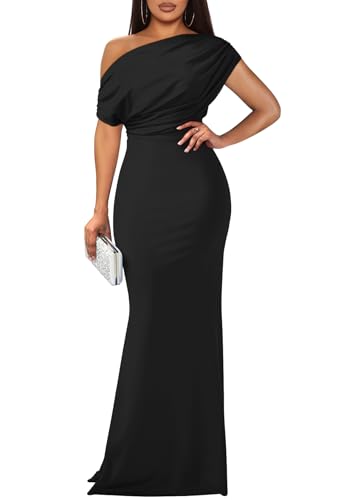
Formal Wedding Guest Dresses: The Ultimate Style Guide
Master the art of sophisticated dressing. From black tie galas to elegant evening celebrations, find the perfect gown that honors the couple and flatters your figure.
Receiving an invitation with a "formal" or "black tie" dress code can feel both exciting and intimidating. You want to look stunning, respect the couple's vision, and feel comfortable throughout the celebration. The good news is that formal wedding guest attire has never been more versatile or accessible. With the right guidance, you can choose a dress that makes you feel confident and elegant without breaking the bank.
✨ The Golden Rule of Formal Weddings: Always dress slightly more formal than the invitation suggests if you're unsure. It's better to be overdressed than underdressed. A floor-length gown in a rich fabric will never look out of place at a formal wedding, while a casual sundress will.
Decoding Formal & Black Tie Dress Codes
Before shopping, understand exactly what "formal" means in the wedding world. A formal wedding dress code sits between semi-formal and black tie. For women, this typically means a floor-length evening gown, a sophisticated cocktail dress in a luxe fabric, or a dressy pantsuit with elegant tailoring. Men are expected to wear a tuxedo or a dark suit with a tie.
When the invitation specifies "Black Tie," you should wear a full-length gown. Shorter hemlines are generally not appropriate for strict black tie events. If you're attending a black tie wedding, think red carpet elegance: silk, velvet, chiffon, and sophisticated embellishments. For "Black Tie Optional," you have more flexibility—a very dressy tea-length or knee-length gown can work, especially if paired with heels and statement jewelry.
Best Fabrics for Formal Guest Dresses
The fabric of your dress immediately signals its formality level. For a truly elegant look, prioritize these materials:
Silk & Satin
Luxurious, drapes beautifully, and catches the light. Ideal for evening weddings. A silk charmeuse slip dress or satin A-line gown exudes timeless glamour. Be mindful of wrinkles—steam before wearing.
Velvet
Perfect for fall and winter formal weddings. Velvet adds depth and richness. Choose jewel tones like emerald, navy, or burgundy. Avoid cheap velvet that looks flat—invest in a quality blend.
Chiffon & Georgette
Lightweight, flowing, and forgiving. Great for outdoor or destination formal weddings. Chiffon overlays create a romantic, ethereal look. Look for layered chiffon skirts for movement.
Crepe & Mikado
Structured, heavyweight fabrics that hold their shape. Crepe hugs curves beautifully; Mikado (a crisp satin) is perfect for architectural gowns. These fabrics photograph exceptionally well.
Length Matters: Gowns vs. Cocktail
Length is the most debated aspect of formal wedding guest attire. Here's a straightforward breakdown to eliminate confusion:
📏 Floor-Length Gown: Always appropriate for formal and black tie weddings. Choose a hem that grazes the tops of your shoes—no puddles unless it's a dramatic train (which you might want to bustle for dancing).
👗 Tea-Length (mid-calf): Acceptable for black tie optional or daytime formal weddings. Pair with heels to elongate the leg. This length works wonderfully for petite frames.
💃 Knee-Length Cocktail: Only for formal weddings if the dress is exceptionally luxurious (beaded, velvet, or silk). Avoid simple jersey or cotton cocktail dresses. For strict black tie, skip knee-length entirely.
When in doubt, choose a floor-length floor-length gown for wedding guests. It's the safest and most universally flattering option for formal events. Many modern gowns feature slits, open backs, or illusion necklines that keep the look fresh and current.
Flattering Styles for Every Body Type
The best formal dress is one that makes you feel amazing. Here are style recommendations based on common figure considerations:
- Pear shape (wider hips): Look for A-line gowns, fit-and-flare silhouettes, or dresses with embellished bodices to draw the eye upward. Avoid clingy jersey fabrics on the lower half.
- Apple shape (fuller midsection): Empire waist gowns, wrap dresses, and styles with ruching or draping across the tummy area are incredibly flattering. Deep V-necks elongate the torso.
- Hourglass shape: Celebrate your curves! Body-hugging crepe gowns, mermaid silhouettes, and belted waists highlight your natural proportions beautifully.
- Petite (under 5'4"): Avoid overwhelming volume. Choose column gowns, high slits, or tea-length dresses. A continuous color (monochrome) creates a lengthening effect.
- Plus size: Look for structured fabrics with good support. Off-the-shoulder styles, V-necks, and defined waists are elegant. Many brands now specialize in plus size wedding guest dresses with formal collections.
Color Guide: What to Wear (and Avoid)
Color sets the mood of your outfit. For formal weddings, deeper, richer colors read as more elegant. Here's a practical color guide:
- Safe & Sophisticated: Navy, emerald green, burgundy, deep purple, charcoal gray, champagne, and blush pink. These colors photograph beautifully and suit all seasons.
- Bold & Beautiful: Jewel tones like sapphire blue, amethyst, and ruby red are stunning for evening formal weddings. A vibrant fuchsia or cobalt blue can be show-stopping in the right context.
- Black is Always Chic: A black dress for a wedding is perfectly appropriate for formal events. Just add metallic accessories (gold or silver) and a pop of color in your lipstick or clutch to avoid a somber look.
- Colors to Avoid: White, ivory, champagne (if the bride might wear a non-white dress), and very pale pastels that could photograph as white. Also avoid neon colors or overly bright shades that feel casual.
💡 Pro Tip: Consider the wedding season. For spring and summer formal weddings, lighter jewel tones and pastels (like sage green or dusty blue) work well. For fall and winter, deep burgundy, forest green, and black are timeless choices.
Accessorizing Your Formal Look
The right accessories elevate a good dress to a great ensemble. For formal weddings, aim for polished and intentional:
- Shoes: Evening-appropriate heels in satin, metallic leather, or velvet. Block heels or wedges are acceptable for outdoor venues (grass), but stilettos are classic for ballrooms. Don't forget to break them in before the big day.
- Jewelry: Statement earrings or a bold cuff bracelet can replace a necklace. Avoid wearing everything at once. Pearls, diamonds (or cubic zirconia), and gold are always appropriate.
- Clutch Bag: A small, structured evening bag in metallic, beaded, or satin material. Avoid large totes or casual crossbody bags. Ensure it's big enough for your phone, lipstick, and a compact.
- Wrap or Shawl: For cooler evenings or air-conditioned venues, a pashmina, faux fur stole, or silk shawl adds elegance and practicality. Choose a color that complements your dress.
Remember: formal attire calls for thoughtful finishing touches. Your hairstyle should also reflect the occasion—sleek updos, soft waves, or polished blowouts all work well. Avoid overly casual hairstyles like messy buns (unless intentionally styled) or beachy undone waves.
Frequently Asked Questions About Formal Guest Dresses
👗 Final Thought: The most important rule of wedding guest attire is to respect the couple and celebrate their day. When you choose a dress that's appropriate, fits well, and makes you feel beautiful, you contribute to the joyful, elegant atmosphere. Happy shopping!