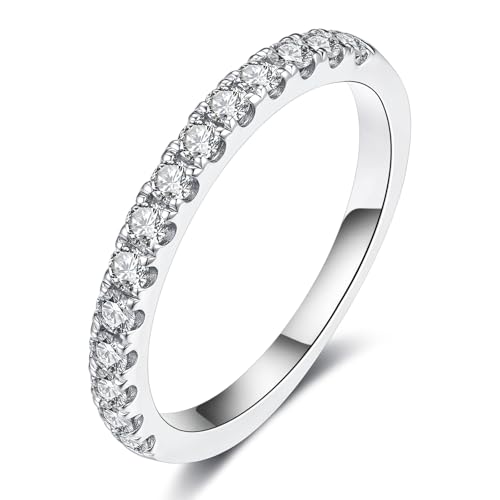
Platinum Diamond Wedding Band: The Ultimate Buyer's Guide
"A symbol of enduring love, crafted for a lifetime. Discover how to choose the perfect platinum diamond band."
A platinum diamond wedding band is more than just a piece of jewelry; it is a lifelong symbol of commitment, crafted from one of the most precious and durable metals on earth. For couples who want a ring that will withstand the test of time, platinum is the ultimate choice. Unlike white gold, platinum is naturally white and will never fade or change color, ensuring your band looks as brilliant on your 50th anniversary as it did on your wedding day.
Choosing the right band involves understanding a few key factors: the metal's properties, the diamond setting style, the band's profile, and how it will pair with an engagement ring. This guide will walk you through everything you need to know to make an informed and confident purchase.
Why Choose Platinum for Your Wedding Band?
Platinum (Pt) is a dense, naturally white metal that is highly resistant to wear and tear. It is a popular choice for fine jewelry because it is hypoallergenic and incredibly durable. Here's why it stands out:
Durability: Platinum is denser than gold, meaning it is more scratch-resistant. While it can develop a patina (a soft, satin finish) over time, it does not lose metal when scratched; it simply displaces it. A quick polish by a jeweler restores its original shine.
Naturally White: Unlike white gold, which requires rhodium plating to maintain its white color, platinum is naturally white. This means no re-plating is ever needed, making it a low-maintenance choice.
Hypoallergenic: Platinum is pure and inert, making it an excellent choice for those with sensitive skin or metal allergies.
Security for Diamonds: A platinum setting is incredibly strong. When a diamond is set in platinum, the metal grips the stone securely, providing peace of mind for everyday wear.
Stunning Diamond Setting Styles
The way diamonds are set into your platinum band dramatically changes its overall look and sparkle. Here are the most popular styles for a platinum diamond wedding band:
Prong Setting
The most classic and popular setting. Metal claws (prongs) hold the diamond in place, allowing maximum light to enter the stone for superior brilliance. A four-prong setting is a timeless choice, while a six-prong setting offers extra security.
Bezel Setting
A modern and secure setting where a rim of metal encircles the diamond. This setting is smooth, snag-free, and ideal for an active lifestyle. It protects the edges of the diamond from chipping and is a sleek, contemporary choice.
Channel Setting
Diamonds are set between two parallel walls of metal, creating a smooth, continuous line of sparkle. This setting is very secure and elegant, perfect for a band that will be worn daily. It sits flush with the band, making it comfortable.
Pavé Setting
A French word meaning "paved," this setting features many small diamonds set closely together with tiny beads of metal. It creates a stunning, continuous surface of sparkle and is often used on the top half of the band for a delicate, luxurious look.
Choosing the Right Band Profile
The profile (the shape of the band's cross-section) determines how the ring feels on your finger and how it pairs with your engagement ring. The most common profiles are:
- Flat: A modern, sleek profile with a flat outer surface. It is very comfortable and popular for both men's and women's bands.
- Dome: A classic, rounded profile that is comfortable and timeless. It works well with almost any engagement ring style.
- Knife Edge: A band with a raised ridge in the center, giving it a sharp, elegant look. It is a popular choice for a vintage-inspired aesthetic.
- Flat with Beveled Edges: A modern profile that combines the comfort of a flat band with polished, angled edges for a refined look.
Full Eternity vs. Half Eternity Bands
This is a key decision that affects both the look and practicality of your band:
Full Eternity Band: Diamonds are set all the way around the ring. This is the most luxurious and sparkling option. However, it is also the most expensive and can be less comfortable for everyday wear. It also cannot be resized easily.
Half Eternity Band: Diamonds are set only on the top half of the band. This is a more practical and budget-friendly choice. It is comfortable for daily wear, can be resized more easily, and still offers plenty of sparkle from the front view.
Your choice between a full and half eternity band should reflect your lifestyle and how you plan to wear the ring. For a bride who wants maximum sparkle and will wear the band primarily for special occasions, a full eternity band is a stunning option. For an everyday band, a half eternity is often the more practical choice.
Platinum Diamond Bands for Men
Men's platinum diamond wedding bands are growing in popularity. While a plain platinum band is a classic choice, adding diamonds can elevate the design. For men, diamonds are typically set in a more subtle way—often a single diamond or a row of small diamonds in a channel or bezel setting. A platinum men's wedding band with diamonds is a bold, sophisticated statement that combines masculinity with luxury.
When choosing a men's band, consider the width (6mm to 8mm is standard), the profile (flat and dome are most common), and the setting. A brushed finish with a single bezel-set diamond is a modern, refined choice, while a polished channel-set band offers a more traditional look.
Essential Buying Tips
💡 The WeddingClever Tip: When shopping for a platinum diamond band, always check for a hallmark. Platinum jewelry is typically marked with "Pt" or "Plat" followed by a number indicating its purity (e.g., "Pt950" for 95% platinum).
Consider the 4Cs: For diamonds, cut is the most important factor for sparkle. Clarity and color can be slightly lower for a band with many small diamonds, as inclusions are less visible. Carat weight is a personal preference.
Try Before You Buy: Fit and comfort are paramount. A band that feels too tight or too loose will be uncomfortable. Visit a jeweler to try on different widths and profiles. The ring should slide over your knuckle with slight resistance.
Think About Pairing: If you have an engagement ring, bring it with you when shopping. You want a band that sits flush against it or complements its style. A contoured band can curve around a large center stone.