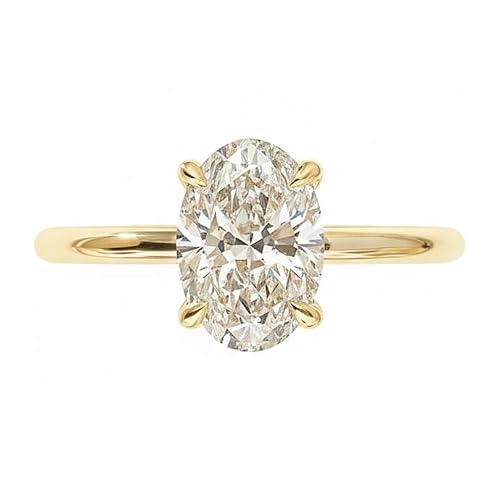
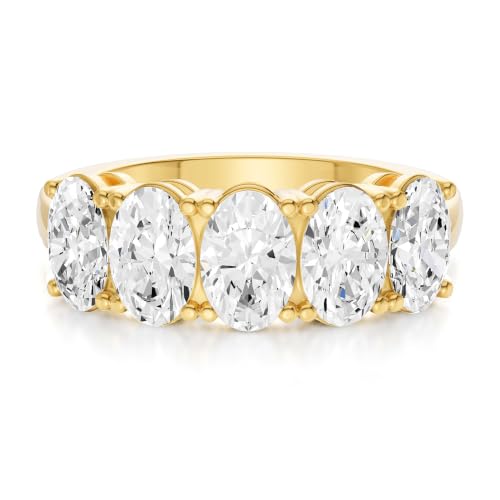
Oval Diamond Ring with Gold Band
"The perfect blend of vintage charm and modern brilliance. Discover why this silhouette is a timeless choice for your forever."
The oval diamond ring with a gold band is a masterpiece of jewelry design. It combines the classic, elongating silhouette of the oval cut with the warm, luxurious tones of gold. Whether you prefer the vintage feel of yellow gold, the romantic blush of rose gold, or the modern sleekness of white gold, this combination is effortlessly elegant.
Unlike a traditional round brilliant, an oval diamond offers a unique shape that catches light in a spectacular way, often appearing larger than a round diamond of the same carat weight. This guide will walk you through everything you need to know to select the perfect ring, ensuring it becomes a cherished heirloom for generations.
Why Choose an Oval Diamond?
The oval cut is one of the most flattering diamond shapes available. Its elongated form creates a subtle illusion of longer, more slender fingers, making it a favorite among those who want a ring that is both sophisticated and visually striking. The shape itself has a rich history, dating back to the 18th century, but it has seen a massive resurgence in modern engagement ring design.
Elongating Effect
The vertical orientation of the oval cut draws the eye up and down the finger, creating a lengthening effect that is incredibly flattering on any hand size.
Brilliance & Fire
Because of its curved edges and brilliant faceting pattern, an oval diamond can exhibit exceptional brilliance and fire, often rivaling that of a round brilliant cut.
Unique Silhouette
While round diamonds are classic, the oval offers a distinct, slightly vintage-inspired look that stands out from the crowd without being overly trendy.
Visual Carat Weight
Oval diamonds often appear larger than their actual carat weight because the surface area of the top of the stone is greater than that of a round diamond of the same weight.
If you are considering an oval diamond, you might also want to explore other elongated cuts like the pear-shaped diamond band or the classic oval diamond band engagement ring for alternative styling options.
The Allure of the Gold Band
Pairing an oval diamond with a gold band is a match made in heaven. The warm tones of gold provide a beautiful contrast to the icy white brilliance of a diamond, creating a look that feels rich, inviting, and timeless. The choice of gold color can dramatically change the overall aesthetic of the ring.
Yellow Gold: The ultimate classic. Yellow gold offers a warm, vintage feel that complements the diamond's brilliance without overpowering it. It is durable and requires less maintenance than white gold, as it does not need to be re-plated.
Rose Gold: Romantic and feminine. Rose gold has a subtle pink hue that flatters all skin tones. It pairs beautifully with oval diamonds, creating a look that is both vintage and modern. It is an excellent choice for those who want something a little different.
White Gold: Sleek and modern. White gold offers a contemporary look that can make the diamond appear larger and whiter. It is a popular choice for those who prefer a cooler, more minimalist aesthetic. However, it requires periodic rhodium plating to maintain its bright finish.
When selecting your gold band, consider the overall style of your wedding set. If you plan to wear a wedding band alongside your engagement ring, you might want to look at oval engagement rings with wedding bands to see how different styles pair together.
The 4Cs for Oval Diamonds
When shopping for an oval diamond, the standard 4Cs (Cut, Color, Clarity, and Carat) apply, but with some specific considerations for the oval shape. Understanding these nuances will help you make a more informed decision.
Cut
Cut is the most important factor for an oval diamond. A well-cut oval will have excellent symmetry and proportions, which maximizes its brilliance. Look for a depth percentage between 58% and 62% and a table percentage between 53% and 58%. Avoid diamonds with a "bow-tie" effect—a dark, bow-shaped shadow across the center of the stone—which is a common issue in poorly cut ovals.
Color
Oval diamonds can show color more readily than round diamonds because of their larger surface area. While a colorless (D-F) diamond is always a safe bet, a near-colorless (G-J) diamond can offer excellent value and still appear white to the naked eye, especially when set in a gold band.
Clarity
Clarity refers to the presence of internal flaws (inclusions) and surface blemishes. For oval diamonds, aim for a clarity grade of VS1 to SI1. Inclusions in the center of the stone are more noticeable, so prioritize clarity in the center over the edges. An "eye-clean" diamond (one where no inclusions are visible to the naked eye) is a great choice.
Carat
Carat is the weight of the diamond. As mentioned, oval diamonds tend to look larger than their carat weight suggests. When choosing a carat weight, consider the size of your partner's finger and the style of the setting. A larger carat weight will obviously be more impressive, but a well-cut smaller diamond can be just as stunning.
💡 Pro Tip: When comparing oval diamonds, always view them in person or via high-quality video. The "bow-tie" effect and the overall brilliance are difficult to judge from static photos alone. A reputable jeweler will be able to show you the diamond under different lighting conditions.
Popular Setting Styles
The setting you choose for your oval diamond can dramatically impact the ring's overall look and feel. Here are some of the most popular options:
- Solitaire: The classic choice. A solitaire setting features a single diamond held by prongs, allowing maximum light to enter the stone. It is timeless and elegant, perfect for showcasing the beauty of the oval cut.
- Halo: A halo setting surrounds the center diamond with a ring of smaller diamonds. This not only adds extra sparkle but also makes the center stone appear larger. It is a great option for those who want a more elaborate look.
- Three-Stone: This setting features the center oval diamond flanked by two smaller diamonds (often round or pear-shaped). It represents the past, present, and future of your relationship and offers a balanced, symmetrical look.
- Bezel: A bezel setting encircles the diamond with a metal rim. It is a modern, secure choice that protects the edges of the diamond from chipping. It offers a sleek, contemporary aesthetic.
- Pavé: A pavé band is set with small diamonds along the shank of the ring, adding extra sparkle and glamour. When paired with an oval center stone, it creates a truly luxurious look.
For those who love the look of a complete set, a oval diamond ring with a diamond band combines the best of both worlds, offering a cohesive and dazzling appearance.
Styling & Care Tips
An oval diamond ring with a gold band is a versatile piece that can be styled for any occasion. Here are some tips to keep it looking its best:
Cleaning: Clean your ring regularly with a mild soap solution and a soft-bristled brush. Avoid harsh chemicals and ultrasonic cleaners, as they can loosen the setting or damage the gold.
Storage: Store your ring in a soft pouch or a lined jewelry box to prevent scratches. Keep it away from other jewelry to avoid tangling or damage.
Wear & Tear: Remove your ring before swimming, exercising, or doing household chores. Gold is a soft metal and can be easily scratched or dented.
Professional Check-ups: Have your ring inspected by a jeweler annually to ensure the prongs are secure and the diamond is not loose.
If you are looking for a complete bridal set, consider exploring oval wedding rings to find a matching band that complements your engagement ring perfectly. You can also look at bridal ring sets his and hers if you want a coordinated look for both partners.