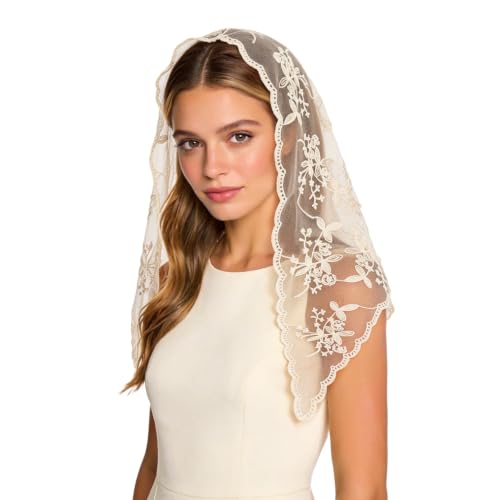
The Timeless Beauty of Mantilla Veils
"Discover the elegance, history, and styling secrets of the ultimate lace wedding veil."
A wedding veil is more than an accessory—it is a symbol of tradition, romance, and personal style. Among the many veil styles available, the mantilla veil stands apart as a piece of living art. With its delicate lace border, fluid drape, and timeless elegance, the mantilla has adorned brides for centuries and continues to captivate modern couples seeking a look that is both classic and distinctive.
Unlike the voluminous tulle veils that dominate many bridal looks, a mantilla is defined by its craftsmanship. The lace edge—often hand-stitched or made from fine Spanish lace—frames the face and shoulders in a way that is effortlessly flattering. Whether you are planning a traditional church ceremony, a garden celebration, or an intimate elopement, the mantilla offers a versatility that few other veil styles can match.
What Is a Mantilla Veil?
A mantilla is a traditional Spanish lace or silk veil worn over the head and shoulders, typically with a high comb called a peineta underneath. In the context of bridal fashion, a mantilla veil is a circular or oval-shaped veil made of fine lace, with a decorative lace border that frames the face and cascades over the shoulders. It is worn flat against the head rather than gathered or poufed, giving it a sleek, elegant silhouette.
The defining feature of a mantilla is its lace trim. This lace can be as narrow as a few inches or as wide as several feet, depending on the formality of the veil. The body of the veil is often made of sheer tulle or lace netting, allowing the bride's dress and hairstyle to remain visible while adding a layer of romantic texture.
Key Distinction: Unlike a traditional veil that has a separate blusher (the piece that covers the face during the ceremony), a mantilla is usually worn draped over the head and shoulders without a blusher. Some brides choose to wear the mantilla over their face as they walk down the aisle, but this is a stylistic choice rather than a structural feature.
The Rich History & Cultural Significance
The mantilla has a history that spans centuries and continents. Its origins can be traced to Spain, where it was worn by women of all social classes as a sign of modesty and elegance. In Spanish culture, the mantilla became a symbol of femininity and was often worn during religious ceremonies, bullfights, and formal events. The finest mantillas were made from blonde lace (a type of silk lace) or Chantilly lace, and were passed down through generations as heirlooms.
When the mantilla made its way to Latin America, it was embraced by brides in Mexico, Colombia, and other countries as a bridal accessory. Today, it remains a popular choice for Catholic weddings and is often worn by brides who want to honor their heritage or add a touch of old-world romance to their ceremony.
In the world of modern bridal fashion, the mantilla has experienced a resurgence. Designers like Oscar de la Renta and Carolina Herrera have featured mantilla-inspired veils in their collections, and brides from all backgrounds are drawn to its timeless appeal. Whether you have Spanish roots or simply love the look, the mantilla offers a connection to tradition while feeling entirely fresh and contemporary.
Types of Mantilla Veils
Not all mantillas are created equal. The style, length, and lace type can vary significantly, allowing you to find a veil that perfectly suits your wedding aesthetic.
The Classic Spanish Mantilla
This is the traditional version, typically made of black or white lace and worn with a peineta comb. The lace border is usually wide and ornate, often featuring floral or geometric patterns. The classic mantilla is a statement piece that works beautifully for formal church weddings and black-tie events.
The Modern Mantilla
A contemporary take on the traditional veil, the modern mantilla features a narrower lace trim and is often made from softer, more fluid fabrics like silk tulle. It is worn flat against the head and drapes elegantly over the shoulders. This style is perfect for brides who want a touch of lace without the full traditional look.
The Cathedral Mantilla
For the ultimate dramatic entrance, the cathedral mantilla extends several feet beyond the train of the dress. It is typically made of fine tulle with a wide lace border and is worn with a high comb. This veil is ideal for grand cathedrals and formal ceremonies where a sweeping, romantic look is desired.
The Fingertip Mantilla
A more practical option for modern brides, the fingertip mantilla falls to the fingertips when standing. It offers the elegance of lace without the bulk of a longer veil. This style is perfect for outdoor weddings, beach ceremonies, and brides who want a veil that is easy to manage throughout the day.
The Lace-Trimmed Tulle Mantilla
This hybrid style combines a sheer tulle body with a delicate lace border. It is lighter and more airy than a full lace mantilla, making it a great choice for summer weddings or brides who want a subtle lace detail. The lace trim can be as simple or as ornate as you like.
The Embroidered Mantilla
For a truly unique look, consider an embroidered mantilla. These veils feature intricate embroidery on the tulle itself, often in floral or botanical motifs. They are a beautiful choice for brides who want a veil that is both delicate and detailed.
How to Choose the Right Mantilla
Choosing a mantilla is about more than just picking a pretty veil. You want a piece that complements your dress, your hairstyle, and the overall tone of your wedding. Here are the key factors to consider.
1. Consider the Lace Type
The lace is the heart of the mantilla. Different laces offer different levels of formality and visual texture. Chantilly lace is a fine, delicate lace with a floral or scroll pattern, often used for high-end veils. Spanish lace (also known as blonde lace) is a heavier, more intricate lace with a silky finish. Venise lace is a thick, heavy lace with a distinct raised texture, often used for vintage-inspired veils. Embroidered tulle is a modern option where the lace pattern is stitched directly onto the tulle.
For a traditional look, choose a mantilla with a wide, ornate lace border. For a more subtle effect, opt for a narrow lace trim or a veil with lace only at the bottom edge.
2. Choose the Right Length
The length of your mantilla should be proportional to your dress and your height. A fingertip mantilla is versatile and flattering on most body types. A floor-length mantilla (also called a waltz-length veil) falls to the ankles and is a great choice for formal weddings. A cathedral mantilla extends several feet beyond the dress train and is reserved for the most formal occasions.
If you are petite, a shorter mantilla will keep you from being overwhelmed by fabric. If you are tall, you can carry off a longer veil with ease.
3. Match the Color to Your Dress
Mantillas are traditionally white, ivory, or black. White is the most common choice for modern brides, but ivory offers a softer, more romantic look that pairs beautifully with vintage-inspired dresses. Black mantillas are a bold, dramatic choice that is often worn for evening weddings or by brides who want to make a statement.
When choosing a color, consider the undertones of your dress. A pure white mantilla can look stark against an ivory dress, while an ivory veil can appear yellow against a white gown. If possible, bring a swatch of your dress fabric when shopping for a veil.
4. Think About Your Hairstyle
The mantilla is worn flat against the head and secured with a comb, so it works best with hairstyles that have a defined anchor point. Low updos, chignons, and soft curls are all excellent choices. If you have short hair, you can still wear a mantilla—just secure it with a decorative comb and let the veil drape over your shoulders. For more hairstyle inspiration, explore our guide to bridal hair styles.
Styling Your Mantilla Veil
One of the joys of wearing a mantilla is that it is incredibly versatile. Here are some styling tips to help you make the most of your veil.
The Classic Drape
This is the traditional way to wear a mantilla: centered on the head, with the lace border framing the face and the veil falling evenly over both shoulders. This style is elegant, symmetrical, and perfect for formal ceremonies. It works best with a low updo and a simple, unadorned dress that lets the veil take center stage.
The Off-Center Drape
For a more modern, asymmetrical look, try draping the mantilla slightly off-center. This style is particularly flattering for brides with side-swept hair or a deep side part. It adds a touch of effortless glamour and works well with both formal and casual wedding styles.
The Shoulder Drape
Instead of wearing the mantilla over your head, you can drape it over one or both shoulders like a shawl. This is a beautiful option for outdoor weddings or for brides who want a more relaxed, bohemian look. It also allows you to show off your hairstyle and any hair accessories.
With a Peineta Comb
The peineta is a decorative comb traditionally worn under the mantilla. It lifts the veil slightly away from the head, creating a beautiful, architectural silhouette. Peinetas are often made of tortoiseshell or resin and can be plain or ornate. If you choose to wear a peineta, make sure it is securely fastened to your hair—it will be supporting the weight of the veil.
Styling Tip: If you are wearing a mantilla with a peineta, keep your other hair accessories minimal. The comb and veil are statement pieces on their own, and adding more could make the look feel cluttered. A simple pair of bridal earrings or a delicate necklace is all you need.
Pairing with Your Wedding Dress
The mantilla veil is a versatile accessory that can work with a wide range of dress styles. Here are some pairings that are particularly stunning.
- With a Lace Dress: A mantilla veil is a natural companion to a lace wedding dress. The key is to balance the scale of the lace—if your dress has heavy, bold lace, choose a veil with a finer, more delicate lace trim. If your dress has delicate lace, you can afford a more ornate veil. Explore our guide to lace wedding dresses for inspiration.
- With a Simple Satin or Crepe Dress: A mantilla veil adds a layer of romance and texture to a minimalist gown. The contrast between the sleek fabric and the ornate lace is incredibly chic. This pairing is perfect for modern brides who want a touch of tradition.
- With a Ball Gown: A cathedral-length mantilla veil is a breathtaking complement to a ball gown wedding dress. The volume of the skirt is balanced by the fluid drape of the veil, creating a fairy-tale silhouette.
- With an A-Line Dress: The A-line silhouette is one of the most flattering and versatile dress shapes. A fingertip or floor-length mantilla works beautifully with an A-line dress, adding elegance without overwhelming the figure. See our collection of A-line dresses for more ideas.
- With a Vintage-Inspired Dress: If your dress has vintage details like beaded sleeves, a high neckline, or a bias cut, a mantilla veil is the perfect finishing touch. It enhances the old-world glamour of the look.
When trying on veils with your dress, pay attention to how the veil interacts with the neckline and shoulders. A mantilla can soften a strapless neckline or add a layer of interest to a simple bodice. It can also draw attention to your face and shoulders, which is why it is so flattering in photographs.