Flower Preservation How To: Keep Your Bouquet Forever
Discover expert techniques to preserve your wedding flowers and turn them into lasting keepsakes you'll treasure for a lifetime.
Your wedding bouquet is more than just flowers. It is a living symbol of the most emotional day of your life, carefully crafted from blooms you selected months in advance. After the ceremony ends and the celebration fades, those flowers will eventually wilt and fade. But they do not have to disappear entirely.
Flower preservation allows you to transform your bouquet into a lasting keepsake, whether it is a framed piece of art, a decorative paperweight, or a piece of jewelry. Learning flower preservation how to is one of the most rewarding DIY projects a newlywed can undertake, and it requires far less expertise than most people assume.
Why Preserve Your Wedding Flowers?
The average wedding bouquet contains dozens of carefully arranged stems, often representing a significant portion of your overall floral budget. While these flowers have a natural lifespan of just a few days, preservation extends their beauty indefinitely. Beyond the sentimental value, preserved flowers become heirloom pieces that can be displayed in your home, passed down to future generations, or even incorporated into anniversary traditions.
Many couples also find that preservation serves as a therapeutic practice in the weeks following the wedding. It offers a quiet, reflective activity that allows you to revisit the emotions of the day while creating something tangible from it. For those who opted for a small elopement or intimate ceremony, preserving the bouquet becomes an even more meaningful way to honor the occasion.
Did You Know? The tradition of preserving wedding flowers dates back centuries. Victorian brides often pressed flowers from their bouquets into books or displayed them under glass domes. Today, modern techniques like resin casting and silica gel drying have expanded the possibilities far beyond simple pressing.
Air Drying: The Classic Method
Air drying is the oldest and most accessible method for preserving flowers. It requires no special equipment, no chemicals, and no significant investment. If you are looking for an entry-level approach to flower preservation, this is the best place to start.
How to Air Dry Your Bouquet
The process is straightforward. Remove any excess foliage from the stems, as leaves tend to dry slowly and can introduce mold. Bundle the stems together with a rubber band or twine, then hang the bouquet upside down in a dark, dry, well-ventilated space. A closet, attic, or unused room works well. Direct sunlight will cause colors to fade, so avoid windows.
Depending on the flower types and humidity levels, drying takes approximately two to three weeks. You will know the flowers are ready when the stems feel brittle and the petals are papery to the touch. Once dried, you can display the bouquet as-is, arrange the stems in a shadow box, or use individual blooms for other projects.
Pro Tip: For best results, hang each flower type separately rather than the entire bouquet as one unit. Different flowers dry at different rates, and separating them prevents moisture from one bloom affecting another.
Silica Gel: Fast & Detailed
Silica gel is a desiccant that absorbs moisture rapidly, allowing flowers to dry in a fraction of the time required by air drying. This method is particularly effective for flowers with complex shapes, such as roses, peonies, and orchids, because it helps them retain their three-dimensional form rather than collapsing flat.
To use silica gel, you will need a sealable container and enough gel to completely cover your flowers. Start by placing a layer of gel at the bottom of the container, then gently nestle the flower into the gel, ensuring the petals are supported. Slowly pour more gel over the flower until it is fully buried. Seal the container and wait three to seven days.
Silica gel preservation is considered a mid-tier technique because it requires purchasing specialized supplies and demands more careful handling than air drying. However, the results are noticeably superior in terms of color retention and shape preservation. This method is ideal for brides who want to preserve individual statement blooms from their bouquet for display in glass cloches or shadow boxes.
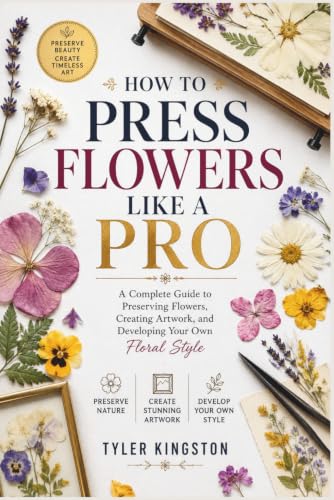
Pressing Flowers for Framed Art
Flower pressing is one of the most versatile preservation methods because it produces flat blooms that can be used in a wide range of creative projects. Pressed flowers can be framed, used in handmade cards, embedded in candles, or displayed in glass frames alongside your wedding invitation.
The traditional pressing method involves placing flowers between sheets of parchment paper or blotting paper, then layering them between the pages of a heavy book. A stack of books or a dedicated flower press provides the necessary weight. Leave the flowers undisturbed for two to four weeks. For faster results, you can use a microwave flower press, which reduces the drying time to just minutes.
When selecting flowers for pressing, choose blooms that are relatively flat by nature, such as pansies, daisies, and ferns. Thick, fleshy flowers like roses can be pressed, but they often require more time and careful positioning to avoid browning. This method pairs beautifully with bouquet flowers that have sentimental value but may be too fragile for other preservation techniques.
Resin Preservation: Modern Keepsakes
Resin preservation has exploded in popularity in recent years, and for good reason. It allows you to encase your flowers in a clear, glass-like material that preserves their appearance permanently. Resin keepsakes can take the form of paperweights, coasters, bookmarks, jewelry, or large display blocks.
This method is considered a premium or high-end preservation technique because it requires specific materials (epoxy resin, molds, and sometimes a pressure pot) and a significant time commitment. The process involves drying the flowers first using silica gel or another method, then layering them in resin. Each layer must cure for 24 to 48 hours before the next is added, which means a full project can take several weeks.
Important Note: Resin preservation is the most technically demanding method discussed here. If you are not comfortable working with chemicals or if your bouquet contains very delicate blooms, consider hiring a professional preservationist. The investment is worthwhile for a truly heirloom-quality result.
If you are planning a destination wedding or honeymoon immediately after your ceremony, be sure to read our destination wedding etiquette guide for tips on transporting flowers safely before preservation.
Choosing the Right Method for Your Blooms
Not all flowers respond equally to every preservation method. The table below outlines which techniques work best for common wedding flower varieties, helping you make an informed decision before your wedding day.
Roses & Peonies
Best methods: Silica gel (for 3D shape) or resin (for keepsakes). These full-bloomed flowers are the premium choice for preservation because they hold their structure beautifully when dried with silica gel.
Hydrangeas & Baby's Breath
Best methods: Air drying or pressing. These flowers have a naturally low moisture content and dry quickly with minimal effort, making them ideal for budget-friendly preservation projects.
Orchids & Lilies
Best methods: Professional silica gel preservation. These delicate, high-moisture flowers require expert handling to prevent browning and structural collapse during the drying process.
Lavender & Eucalyptus
Best methods: Air drying. These sturdy stems retain their color and fragrance remarkably well when hung upside down, making them a top-tier choice for simple, elegant preservation.
Regardless of which method you choose, timing matters. The sooner you begin the preservation process after your wedding, the better the results will be. Flowers that have already begun to wilt are significantly harder to preserve successfully. If you cannot start immediately, store your bouquet in a cool, dark place and keep the stems in water until you are ready.
For those who want to complement their preserved flowers with other keepsakes, consider exploring our guide to something old, something new, something borrowed, something blue traditions. Many couples incorporate preserved elements into these sentimental items.