Bridesmaid Dress Ideas: A Complete Buying Guide
"The dresses your best friends will wear in every photo. Learn how to choose flattering styles, trending colors, and fabrics they will actually love."
Choosing bridesmaid dresses is one of the most practical decisions in wedding planning, and one of the most emotional. The dresses need to look cohesive in photographs, feel comfortable for a long day on their feet, and work for a range of body types—all while staying within a budget your friends can realistically afford. Get it right and your wedding party feels confident and cared for. Get it wrong and you risk stress, last-minute returns, and awkward conversations.
This guide walks you through the decision in the same order a professional stylist would: start with your wedding palette, narrow your silhouettes, choose fabrics for the season, and then handle sizing and logistics. Along the way you will learn where to save and where it is worth investing, and how to keep your bridal party genuinely happy.
If you are still assembling your wedding party and planning the surrounding events, our bridal party guide covers roles and timelines, and our bridesmaid proposal boxes article helps you pop the question in style.
Start With the Wedding Palette
Before you open a single dress retailer, decide on your wedding color palette. The bridesmaid dress color should complement—not compete with—the venue, your florals, and the groomsmen's attire. Bridesmaids are usually photographed alongside the couple, so the color you choose becomes the visual anchor of those group shots.
A practical approach is to pick one primary color and one accent color for the whole wedding, then let bridesmaids live in the primary family. Neutral palettes like champagne, sage, dusty blue, and taupe are forgiving: they flatter nearly every skin tone, photograph well in both bright outdoor light and dim ballrooms, and remain elegant for years. Bold palettes like emerald, terracotta, or burgundy create more drama but require more careful pairing with florals.
Pro tip: Order fabric swatches—not screenshots—before you commit. Colors render differently on phone screens, and artificial light in a reception hall can shift a color noticeably. Bring swatches to your venue and view them at the time of day your ceremony will take place.
Necklines & Silhouettes That Flatter Everyone
No single dress flatters every body type, which is why most modern bridal parties choose a shared color and fabric but allow variation in neckline and skirt shape. Here are the silhouettes that consistently work well across a group.
A-Line
The universal flatterer. Fitted through the bodice and gently flared from the natural waist, an A-line skims the hips and balances broader shoulders. It is comfortable for hours of standing and dancing, making it the safest choice for a mixed group.
Wrap & Faux Wrap
Adjustable and forgiving, a wrap dress lets each wearer control the fit at the waist. The V-neckline elongates the torso, and the tie waist works across many body types. Choose a heavier jersey or crepe so it holds its shape through the ceremony.
Off-the-Shoulder
Romantic and photogenic, off-the-shoulder necklines draw attention to the collarbone and suit most figures. Keep the sleeve band elastic and soft so wearers can move their arms freely during the ceremony and reception.
Midi & Tea-Length
Hemlines between the knee and mid-calf are practical, easy to alter, and often more wearable after the wedding. They also reduce tripping risk on grass, sand, or stairs—worth considering for outdoor venues.
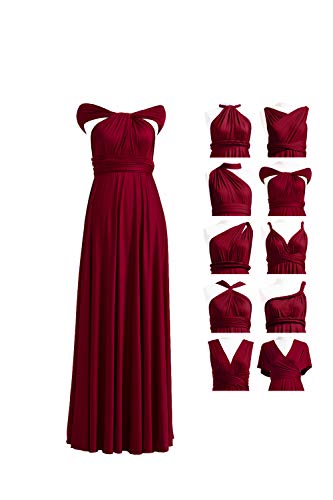
Convertible & Multi-Way
These dresses come with long straps that wrap into dozens of necklines, so every bridesmaid can create the shape she prefers. They are a strong choice for mismatched groups, though they require a brief styling session before the big day.
Sleek Column
A clean, straight silhouette that reads as modern and elegant. Column dresses work beautifully for black-tie and minimalist weddings, and they are especially flattering on taller frames.
If your celebration leans modern and pared-back, the modern minimalist wedding guide offers more styling direction on clean lines and restrained palettes. For a classic, traditional feel, explore wedding guest dresses for inspiration on formal silhouettes that also suit bridal parties.
Trending Bridesmaid Dress Colors
Color trends shift, but a handful of shades have proven staying power because they flatter a wide range of complexions and photograph reliably. Below is a shortlist to consider, along with the mood each creates.
Sage green remains a favorite for garden and barn weddings because it pairs naturally with greenery and wood tones. Dusty blue is equally versatile and reads slightly more formal in satin. Champagne and taupe are the go-to neutrals for elegant ballroom celebrations. For autumn weddings, terracotta and burgundy add warmth and contrast beautifully with gold accents and seasonal florals.
If you want a deeper dive into individual colorways, our articles on the sage green maid of honor dress and dusty blue maid of honor dress break down pairing suggestions and fabric choices in more detail.
Choosing the Right Fabric by Season
Fabric determines comfort, drape, and how the color reads in photographs. Match the fabric to your season and venue rather than picking purely on looks.
| Fabric | Best Season | What to Know |
|---|---|---|
| Chiffon | Spring & Summer | Lightweight, floaty, and forgiving. It drapes beautifully in photos but can cling in humidity and wrinkles easily when packed for travel. |
| Satin | Fall & Winter | Structured and formal with a subtle sheen. It photographs well under evening lighting but shows wrinkles and can feel warm for summer ceremonies. |
| Crepe | Year-round | Matte, elegant, and wrinkle-resistant. A premium-feeling option that works equally well for minimalist and traditional weddings. |
| Tulle | Spring & Winter | Romantic and voluminous. Ideal for layered skirts; avoid in very hot climates because the layers trap heat. |
| Velvet | Winter | Rich and luxurious for cold-weather celebrations. Heavy, so best for shorter or sleeveless silhouettes to keep wearers comfortable indoors. |
💡 Comfort matters more than you think: Bridesmaids stand for the entire ceremony, pose for group photos, and often dance for hours. A slightly simpler dress in a breathable fabric will be worn with far more confidence—and photographed far better—than an elaborate gown that itches or restricts movement.
Matching vs. Mismatched Dresses
This is the decision couples debate most, so it helps to understand the trade-offs.
Matching dresses create a unified, traditional look and simplify photography and ordering. The downside is that one silhouette rarely flatters every body type equally, and a single dress can become a source of discomfort for someone whose shape or size differs from the sample.
Mismatched dresses solve the fit problem and let each bridesmaid choose something she will genuinely rewear. The challenge is maintaining visual cohesion. The most reliable approach is "same color and fabric, different necklines," or "same color family, different shades and fabrics." Both read as intentional rather than chaotic when the palette is tightly controlled.
A middle path many couples choose is to give each bridesmaid a choice of three approved styles in the same fabric and color. Everyone feels considered, the photographs stay cohesive, and no one is stuck in a dress she dislikes. If you want more inspiration for the wider wedding look, our wedding reception ideas article covers styling details that tie the whole event together.
Fit, Sizing & Body Type Tips
Most bridesmaid dress problems trace back to sizing. Here is how to avoid the common pitfalls.
- Measure, don't guess. Ask each bridesmaid to take fresh bust, waist, and hip measurements and compare them to the retailer's specific size chart—not her usual clothing size. Sizing varies significantly between brands.
- Order to the largest measurement. It is almost always easier and less expensive to take a dress in than to let it out. Fabric allowances are limited in formalwear.
- Budget for alterations. Nearly every bridesmaid will need a hem, a strap adjustment, or a waist taken in. Encourage your party to set aside a small alteration allowance when they budget.
- Consider the undergarments early. Necklines and back designs dictate which bras or shapewear will work. Share this information before ordering so no one is surprised later.
- For plus-size members of the party, prioritize fit over fashion. Browse dedicated collections such as plus-size dresses for wedding guests for silhouettes and construction details that are genuinely flattering, rather than assuming a standard style will work with alterations.
- For shorter or petite bridesmaids, a tea-length gown often requires fewer alterations than a floor-length dress and is easier to walk and dance in.
How to Buy Smart & Stay on Budget
Bridesmaid dresses range widely in quality and price, and the label on the tag rarely tells the whole story. Instead of chasing a number, think in tiers and match the tier to your wedding's formality and your party's budget.
Entry-level and budget-friendly dresses from mass-market retailers are a practical choice for casual, outdoor, or destination weddings. Fabric weight and lining quality are usually lighter, so order a sample if you can and check the return policy carefully. These dresses are often the most rewearable and the least stressful to purchase.
Mid-range and mid-tier dresses from dedicated bridal retailers typically offer better construction, more consistent sizing, and a wider range of colors and fabrics. This is where most wedding parties land, and it is usually the best balance of quality and cost.
Premium and high-end dresses from designer collections deliver superior fabric, structured bodices, and finishing that shows in photographs. If your wedding is black-tie or your palette depends on an exact shade, investing at this tier is worthwhile—especially if the bride intends to cover part of the cost.
Whatever tier you choose, follow these rules of thumb:
- Confirm the retailer's production and shipping timeline before ordering, and add a buffer for alterations.
- Order all dresses in the same batch when possible so dye lots match.
- Check the return and exchange policy—made-to-order dresses are often final sale.
- Ask about group discounts or coordinated ordering, which many bridal retailers offer.
- Read real customer reviews for fit feedback, especially on sizing up or down.
On etiquette: Bridesmaids traditionally pay for their own dresses, but expectations are shifting. If you are asking for a premium dress or a specific designer shade, consider contributing toward the cost or offering to cover alterations. Communicate clearly and early—ideally before anyone accepts the role—so no one feels pressured into an expense she did not anticipate. Our wedding etiquette guide and wedding party etiquette article cover these conversations in more depth.
Once the dresses are chosen, the surrounding details matter too. Coordinate hair and makeup with resources like our bridesmaid hairstyle guide for medium-length hair, and plan meaningful thank-you gifts using our best bridesmaid gifts guide. If you are still finalizing the wider ceremony aesthetic, our wedding flower ideas and wedding floral arrangements articles help tie the palette together.
Bridesmaid Dress Checklist
- Confirm the wedding color palette and order fabric swatches.
- View swatches at the venue in natural and artificial light.
- Decide on matching, mismatched, or "choice of three" styles.
- Collect fresh bust, waist, and hip measurements from each bridesmaid.
- Compare measurements to the retailer's size chart—not street size.
- Order all dresses together and confirm the production timeline.
- Schedule fittings at least six to eight weeks before the wedding.
- Budget for alterations and confirm who pays for them.
- Plan undergarments and shoes to match the chosen necklines and hems.
- Organize a group try-on or virtual check-in before the final fitting.
If your celebration involves a destination or an outdoor ceremony, review our outdoor wedding venues guide and small wedding ideas for practical styling considerations like wind, grass, and heat.