The Ultimate Guide to Bridal Veil Styles
"From cathedral to birdcage, discover the perfect veil to complement your wedding dress and personal style."
The bridal veil is one of the most romantic and symbolic wedding accessories. It adds an ethereal quality to your bridal look and is a key element in your ceremony and wedding photographs. However, with so many options—from cathedral-length to birdcage—choosing the perfect veil can feel overwhelming.
This comprehensive guide will walk you through everything you need to know about bridal veils. We'll explore the different lengths, styles, and materials, helping you make an informed decision that complements your dress and personal style. Whether you're looking for a classic, vintage, or modern veil, you'll find the inspiration you need here.
Veil Lengths Explained
The length of your veil dramatically impacts your overall silhouette. Here’s a breakdown of the most common lengths:
Cathedral Veil (120+ inches)
The most dramatic and traditional length. It trails several feet behind you, extending past the train of your gown. Ideal for formal and grand weddings, especially in churches or cathedrals.
Chapel Veil (90–108 inches)
Longer than a cathedral veil but still offers a beautiful train. Perfect for formal weddings and gowns with a modest train. It adds elegance without being overly cumbersome.
Fingertip Veil (36–45 inches)
A versatile and popular choice, falling to your fingertips. It complements almost any dress silhouette and is perfect for both formal and casual weddings. A classic and timeless option.
Waltz or Ballet Veil (50–58 inches)
Falls between the knee and floor, allowing for movement and twirling. A great option for modern, outdoor, or dance-heavy weddings.
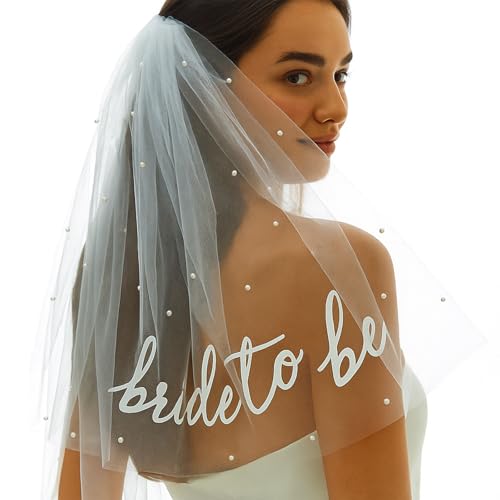
Shoulder-Length Veil (20–24 inches)
A chic and simple choice that stops at the shoulders or bust. It's often used for vintage or retro looks and pairs well with tea-length or short dresses.
Birdcage Veil
A short, netted veil that covers the face, typically made of Russian netting. It's a retro, fashion-forward choice for the non-traditional bride, often paired with a pillbox hat or fascinator.
Pro Tip: For the most photogenic look, choose a veil that is slightly longer than the train of your dress. This creates a beautiful layered effect in your photos and adds an extra wow-factor as you walk down the aisle.
Popular Bridal Veil Styles
Beyond length, the style and material of your veil play a crucial role in the final look. Here are some of the most sought-after styles:
- Mantilla Veil: A classic Spanish-style veil with a scalloped lace edge. It's typically worn over the head and drapes beautifully over the shoulders. This style adds a touch of romance and tradition.
- Blusher Veil: A short veil that covers the bride's face and is lifted by the groom during the ceremony. It's a romantic and traditional addition, often layered with a longer veil for a two-in-one look.
- Cascade or Waterfall Veil: Features multiple layers of tulle or lace that cascade down the back, creating a voluminous and dramatic effect. This style works wonderfully with simple, backless dresses.
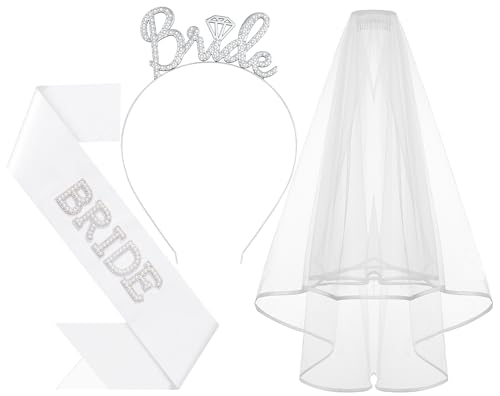
- Drop Veil: A modern and minimalist veil that falls softly from a central hair clip or comb. It is often seamless and unstructured, offering a clean, contemporary aesthetic.
How to Choose the Right Veil
Selecting the right bridal veil involves considering your dress, your venue, and your personal style. Here is a step-by-step guide to help you make the best choice:
Start with Your Dress: The veil should enhance your dress, not compete with it. For a heavily embellished dress, choose a simple, unadorned veil. For a sleek, minimalist gown, feel free to go all out with lace, pearls, or dramatic length.
- Consider the Venue: A cathedral veil is perfect for a grand church, while a fingertip or waltz veil is more suitable for a garden, beach, or modern loft.
- Think About Your Hairstyle: The placement of the veil (high on the crown or lower on the nape of the neck) can change your entire look. Decide whether you want an updo or loose curls.
- Match the Embellishments: If your dress has lace, try to find a veil with a similar lace pattern. If your dress features pearls or beading, coordinate the details on your veil for a cohesive look.
Matching Veil to Dress Silhouette
Here’s a quick guide to pairing veil lengths and styles with common dress silhouettes:
- Ball Gown: A cathedral or chapel veil works best to balance the volume of the skirt and create a regal, fairy-tale look.
- Mermaid or Trumpet: A fingertip or waltz veil is ideal for showing off the curves of the dress without overwhelming the silhouette.
- A-Line: A versatile silhouette that pairs well with almost any veil length. Fingertip and waltz veils are especially complementary.
- Sheath or Slip: A shoulder-length, birdcage, or drop veil adds a touch of elegance without detracting from the minimalist design.
Accessories & Embellishments
The finishing touches on your veil can make all the difference. Consider these popular embellishments:
- Lace Trim: Adds a classic, romantic feel. The lace can be delicate or bold, depending on your dress.
- Beaded or Sequin Details: Great for adding a hint of sparkle and luxury, perfect for evening weddings.
- Ribbon Edge: A simple yet elegant trim that adds a pop of color (like blush or ivory) or a touch of class.
- Hair Jewelry: Your veil is often attached to a beautiful comb or clip, which can double as a statement piece of hair jewelry.