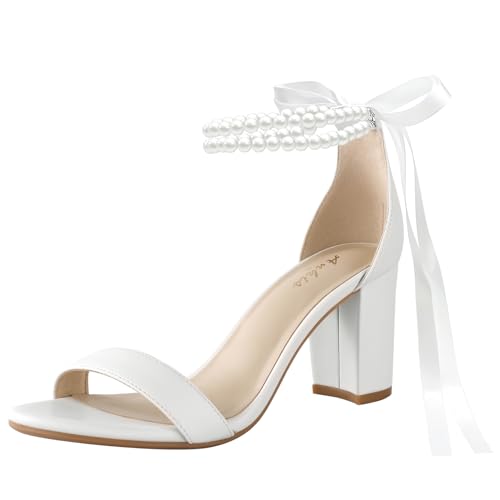
Bridal Heels: The Ultimate Guide to Wedding Shoes
"Walk down the aisle in style and comfort. Discover how to choose the perfect pair of bridal heels for your big day."
Your wedding day is a marathon, not a sprint. You will be standing, walking, greeting guests, and dancing for hours. The wrong pair of bridal heels can turn your dream day into a painful memory. But the right pair? They can make you feel like you're floating on air.
The key is to find a balance between the aesthetic you've envisioned and the practical reality of being on your feet all day. This guide will walk you through everything you need to know, from heel types to break-in techniques, so you can choose a pair of wedding shoes that you'll love wearing.
Comfort vs. Style: Finding the Perfect Balance
💡 The WeddingClever Tip: The most beautiful shoe in the world is useless if you can't walk in it. Modern bridal designers have bridged the gap between high fashion and high comfort. Look for features like cushioned insoles, arch support, and flexible soles. A mid-tier heel from a reputable brand often offers a superior comfort-to-style ratio compared to a luxury high-fashion shoe that prioritizes aesthetics above all else.
Many brides make the mistake of buying shoes that are a full size too small, hoping they will "stretch." This is a recipe for blisters and misery. Your feet will naturally swell throughout the day, so it's often recommended to buy shoes that fit comfortably at the end of the day when your feet are at their largest.
Consider the following features when prioritizing comfort:
- Heel Height: A lower heel reduces strain on your ankles, knees, and lower back. A mid-heel or block heel is a fantastic compromise.
- Toe Box: A rounded or peep-toe design gives your toes more room to spread naturally, reducing pinching.
- Material: Leather and suede are more breathable and mold to your feet over time. Satin is classic but can be less forgiving and prone to staining.
Heel Types: From Kitten to Stiletto
The style of your heel is a major decision that impacts both the look of your outfit and your comfort level. Here are the most popular options for brides:
The Classic Stiletto
The stiletto is the epitome of elegance. Its tall, thin heel elongates the leg and adds a dramatic, glamorous touch. This is a popular choice for black-tie weddings and formal ballroom affairs. Be aware that stilettos are the least stable and most challenging to walk in for extended periods.
The Stable Block Heel
The block heel is the modern bride's best friend. It offers a wider base for superior stability and weight distribution, making it significantly more comfortable than a stiletto. It's an excellent choice for outdoor weddings, garden venues, and rustic settings where thin heels might sink into the grass.
The Elegant Kitten Heel
A kitten heel (usually under 2 inches) is a timeless and sophisticated option. It provides a subtle lift without the steep angle of a high heel, making it incredibly comfortable for brides who aren't used to wearing heels. It's a perfect match for vintage-inspired or minimalist wedding themes.
The Flatform & Wedge
For brides seeking maximum comfort, a wedge or flatform is a game-changer. They provide elevation without the pressure on the ball of the foot that comes with a traditional heel. These are ideal for outdoor ceremonies, beach weddings, or a long night of dancing.
How to Choose Your Bridal Heels
With so many options, how do you decide? Start by considering the practical aspects of your wedding day. The venue and season play a huge role. A beach wedding calls for different footwear than a formal cathedral ceremony.
Match Your Shoes to Your Venue:
• Grass or Gravel: Block heels, wedges, or flats are your best bet. Thin heels will sink.
• Beach: Consider barefoot sandals or a flat, bejeweled sandal. Heels are nearly impossible to walk in on sand.
• Ballroom: The sky's the limit! Stilettos or any formal heel style works beautifully.
Don't forget about your bridal shoes as a potential "something blue" or a way to express your personality. Shoes with a pop of color, a glittery finish, or a custom monogram can be a fun, hidden detail that adds a personal touch to your bridal look.
The Art of Breaking In Your Heels
Never, ever wear a brand-new pair of shoes on your wedding day. Breaking them in is essential to prevent blisters and discomfort. Here is a foolproof plan:
- Start Early: Begin wearing your heels around the house for 15-20 minutes a day, starting a few weeks before the wedding.
- Thick Socks Method: Put on a pair of thick socks, then your heels. Use a hairdryer on a low setting to gently warm the tight areas of the shoe while wiggling your toes. This helps the material stretch to your foot's shape.
- Scuff the Soles: New, smooth soles are slippery and dangerous. Take a walk on a rough concrete surface (like a sidewalk) or use sandpaper to scuff the bottoms. This provides essential traction.
- Use Blister Prevention: Apply a blister prevention balm or stick to your feet before wearing the shoes. For targeted areas, use moleskin or gel pads inside the shoe.
Even with careful preparation, it's always wise to have a backup plan. Many brides bring a pair of comfortable, stylish flats or sneakers to change into for the reception. This allows you to dance the night away without pain. You can even make a fun statement with a pair of custom-decorated sneakers that fit your boho wedding or modern theme.