Black Tie Wedding Tuxedo: The Complete Guide
"Look impeccable at the most formal weddings. Master the tuxedo, the accessories, and the details that separate a gentleman from a guest."
You have received an invitation with the words "Black Tie" printed at the bottom. For many men, this triggers a quiet panic. Do you need to buy a tuxedo? Can you wear a dark suit? What is the difference between a cummerbund and a waistcoat? And most importantly, how do you avoid looking like you are wearing a costume?
The black tie dress code is the pinnacle of formal evening wear. It is not a suggestion—it is a uniform, and it has a rich history dating back to the 1880s. When done correctly, a black tie tuxedo is incredibly flattering, timeless, and elegant. This guide will walk you through everything you need to know, from the essential components of a tuxedo to the subtle details that make all the difference. Whether you are the groom, a groomsman, or a guest, by the end of this article, you will be fully prepared to dress with confidence.
What Is Black Tie?
Black tie is a formal evening dress code that originated in the late 19th century as a less restrictive alternative to white tie. It is traditionally worn for events that begin after 6:00 PM, though modern weddings sometimes adopt the code for late-afternoon ceremonies that extend into the evening.
The core components are a black dinner jacket with satin or grosgrain lapels, matching trousers with a side stripe, a crisp white dress shirt with a wing or turndown collar, a black bow tie, and black patent or highly polished leather shoes. The code is strict, but within that structure, there is room for personal expression through fit, fabric quality, and subtle accessory choices.
If you are attending a black tie wedding, it is essential to understand that this is not a "dressy" suggestion—it is a specific uniform. The good news is that once you own a well-fitted tuxedo, you will be prepared for weddings, galas, award ceremonies, and formal dinners for years to come. If you are looking for a broader overview of what to wear to different types of formal weddings, our guide on black tie wedding what to wear provides excellent context. For a deep dive specifically into men's attire, black tie attire for men wedding is an invaluable resource.
Tuxedo vs. Suit: The Critical Difference
This is the most common point of confusion. Many men believe that any dark suit can pass for a tuxedo. This is not true. While both are tailored garments, they serve different purposes and have distinct design features.
The Suit
A suit is a set of matching jacket and trousers designed for business, daytime events, and semi-formal occasions. It typically features notch lapels, exposed buttons, and no contrast facing. A navy or charcoal suit is the cornerstone of a man's wardrobe, but it is not appropriate for a strict black tie event.
The Tuxedo
A tuxedo is a formal evening garment defined by contrast facing on the lapels—usually satin or grosgrain—that matches the side stripe on the trousers. It has covered buttons and is always black or midnight blue. The tuxedo is exclusively for formal evening events, and it is the only correct choice for a black tie wedding.
If you want to explore how a black tuxedo can be styled for a wedding, our article on black on black tuxedo for wedding offers a modern, sophisticated take on the classic look. And if you are considering a tuxedo for a beach or destination wedding, be sure to review our guide on mens wedding attire for beach wedding for climate-appropriate alternatives.
| Feature | Tuxedo | Suit |
|---|---|---|
| Lapel Facing | Satin or grosgrain contrast | Same fabric as jacket |
| Buttons | Covered in matching fabric | Exposed horn or plastic |
| Trouser Side Stripe | Single braid matching lapel | None |
| Occasion | Formal evening events | Business, daytime, semi-formal |
| Color | Black or midnight blue | Any color |
The Anatomy of a Perfect Tuxedo
Not all tuxedos are created equal. The difference between an entry-level rental and a premium tailored garment is evident in the details. Here is what to look for when selecting your tuxedo.
The Jacket
The jacket is the centerpiece. For a traditional black tie look, choose a single-breasted jacket with one button. Double-breasted jackets are also acceptable and can be very elegant, but they are less common. The lapels should be peaked—shawl lapels are a stylish alternative, but notch lapels are technically incorrect for a tuxedo.
The facing on the lapels should be satin (shinier) or grosgrain (more matte and textured). Satin is the more traditional choice for evening wear, while grosgrain offers a subtler, more modern aesthetic. Whichever you choose, the trouser side stripe should match the lapel facing.
Midnight Blue vs. Black: Midnight blue tuxedos are a classic alternative to black. Under artificial evening light, midnight blue actually appears darker and richer than black, making it a favorite among style connoisseurs. Both are equally correct for black tie.
The Trousers
Tuxedo trousers are designed to be worn at the natural waist, not the hips. They should have a single braid of satin or grosgrain down the outer seam, matching the lapel facing. The trousers should have a clean, straight drape and may feature a subtle taper toward the ankle. Braces (suspenders) are traditionally worn with tuxedo trousers, as they allow the waistband to sit properly without the need for a belt. If you wear a waistcoat or cummerbund, the braces are hidden.
The Shirt
The dress shirt for black tie is always white. It should have a wing collar (the most formal) or a turndown collar. The front of the shirt should be pleated or feature a Marcella bib. French cuffs are standard, and the shirt should fasten with studs rather than buttons. The studs should match your cufflinks—typically in black onyx, mother-of-pearl, or silver.
Accessories: The Details That Matter
The accessories are where a black tie outfit truly comes together. Get these right, and you will look effortlessly elegant. Get them wrong, and the entire ensemble falls apart.
-
The Bow Tie
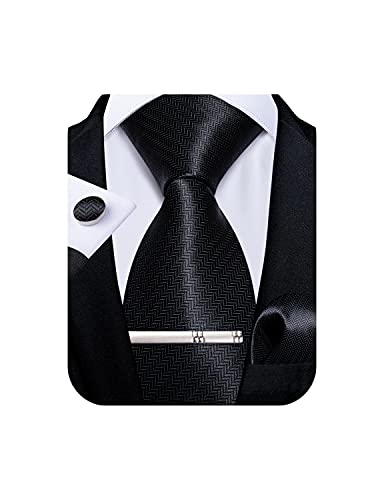
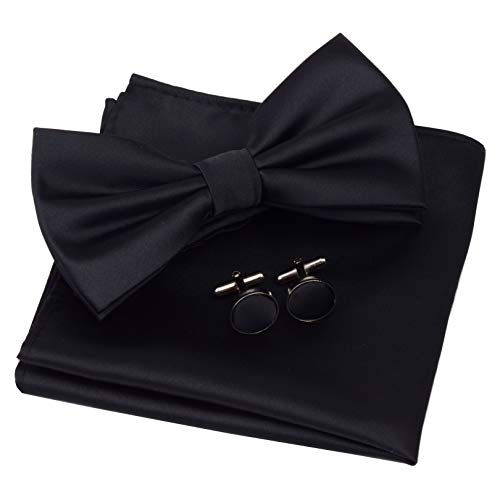
The bow tie must be black and must be self-tied. A pre-tied bow tie is immediately recognizable and undermines the formality of the outfit. Practice tying it in advance—it is a skill worth mastering. For a black tie optional event, a long necktie in black or silver is acceptable, but for strict black tie, the bow tie is non-negotiable. If you need help, our guide on simple how to tie a tie covers the basics, though the bow tie is a different technique entirely.
-
The Waistcoat or Cummerbund
You must wear either a waistcoat (vest) or a cummerbund—never both, and never neither. The waistcoat should be black, matching the jacket, and cut low enough to show the shirt studs. The cummerbund should be worn with the pleats facing upward and should match the lapel facing. A cummerbund is the more traditional choice for black tie, while a waistcoat offers a slightly more contemporary look.
-
Shoes
Black patent leather shoes are the most formal option, but highly polished black leather oxfords are also acceptable. Loafers, derby shoes, and boots are not appropriate for black tie. Your socks should be black and made of silk or a fine wool—never cotton athletic socks.
-
Pocket Square
A white linen pocket square is the classic choice. It should be folded simply—a presidential fold (a straight fold) or a subtle puff. Avoid elaborate folds and colorful patterns; the pocket square should complement, not compete with, the bow tie and lapels.
-
Cufflinks and Studs
Your shirt studs and cufflinks should match. Black onyx or mother-of-pearl are the most traditional materials. Silver is also acceptable. Avoid anything too flashy or novelty-themed—this is a formal event, not a costume party.
-
Watch
A dress watch is appropriate, but it should be slim and understated. A large sports watch or smartwatch is not appropriate for black tie. If you are unsure, it is perfectly acceptable to go watchless—many style purists consider the watch unnecessary for formal evening wear.
If you are looking for guidance on how to choose the right accessories for a formal wedding, our article on black tie attire for men wedding provides a comprehensive breakdown. And for those attending a black tie optional event, semi formal to formal wedding attire offers helpful flexibility.
The Fit Guide: How a Tuxedo Should Look
Fit is everything. A well-fitted entry-level tuxedo will always look better than an ill-fitting luxury one. Here is how your tuxedo should fit.
-
The Shoulders
The shoulder seams of the jacket should sit exactly at the edge of your natural shoulders. If the seams extend past your shoulders, the jacket is too big. If they sit inside your shoulders, it is too small. The shoulders are the most difficult part of a jacket to alter, so this is the most important fit to get right.
-
The Chest and Waist
The jacket should be able to button comfortably without pulling or gaping. You should be able to slip one hand flat inside the buttoned jacket. The waist should be slightly suppressed to give a clean, tailored silhouette, but not so tight that it creates an "X" shape when buttoned.
-
The Sleeves
The jacket sleeves should end at the wrist bone, allowing about half an inch of shirt cuff to show. If the sleeves are too long, they will cover the cufflinks; too short, and they will look like you borrowed your younger brother's jacket.
-
The Jacket Length
The jacket should cover your seat. A good rule of thumb is that the jacket hem should fall at the middle of your trousers' back pocket. If it is shorter, it will look like a cropped jacket; if longer, it will look like an overcoat.
-
The Trousers
Tuxedo trousers should sit at your natural waist, which is above your hip bones. They should have a slight break at the front (a gentle fold where the hem meets the shoe) and a clean drape. They should not be too tight or too baggy. If you are wearing braces, the trousers should not require a belt—the braces hold them in place.
💡 Tailoring Is Non-Negotiable: Even the most expensive tuxedo will look mediocre if it does not fit properly. Budget for alterations. A skilled tailor can adjust the waist, hem, sleeves, and even the shoulders to a degree. The difference between an entry-level tuxedo that has been expertly tailored and a luxury tuxedo that has not is immediately visible.
Common Mistakes to Avoid
Even men who understand the basics of black tie can fall into common traps. Here are the mistakes to avoid.
-
Wearing a Long Necktie
A long necktie is not appropriate for black tie. The bow tie is the only correct choice. If you are attending a black tie optional event, a long tie may be acceptable, but for a strict black tie wedding, stick with the bow tie.
-
Wearing a Belt
Belts are not worn with tuxedos. The trousers should be held up by braces (suspenders) or, if properly fitted, by the waistband itself. If you wear a cummerbund or waistcoat, the braces are hidden anyway.
-
Wearing a Colored Shirt
The shirt is always white. A colored shirt (blue, black, etc.) is not appropriate for black tie. The white shirt provides a crisp contrast against the black jacket and allows the bow tie and studs to stand out.
-
Wearing a Pre-Tied Bow Tie
A pre-tied bow tie is one of the most common giveaways of a black tie novice. It is worth the effort to learn how to tie a real bow tie. The slight imperfections of a self-tied bow tie are part of its charm.
-
Wearing the Wrong Shoes
Loafers, derby shoes, and boots are not appropriate for black tie. Patent leather oxfords or highly polished black leather oxfords are the only correct choices. Your shoes should be as formal as your tuxedo.
-
Over-Accessorizing
Black tie is about restraint and elegance. Avoid flashy pocket squares, novelty cufflinks, and oversized watches. The goal is to look effortlessly refined, not like you are trying too hard.