White Bridal Gown for Wedding: The Complete Guide
"Everything you need to know before choosing the most important dress of your life—from silhouettes and fabrics to styling and alterations."
A white bridal gown for wedding ceremonies remains the most iconic symbol of a bride. Yet shopping for one can feel overwhelming: silhouettes, fabrics, necklines, train lengths, and a dozen shades of white each change how the dress looks and feels. This guide walks you through each decision in plain language so you can walk into a boutique confident, informed, and ready to recognize "the one" when you see it.
Whether you are starting your search from scratch or comparing finalists, understanding how each design element works on a real body in real lighting makes the difference between a gown that photographs well and one that feels effortless all day. For a broader planning perspective before you shop, our wedding planning hub is a helpful starting point.
Why Brides Wear White
The white wedding gown as we know it popularized in the nineteenth century and has since become a global symbol of celebration. Today, however, the tradition is a stylistic choice rather than a rule. Many brides choose white for its timeless elegance, while others select it because it creates a clean, luminous backdrop for florals, photography, and venue decor.
Key insight: White is the most photographically flexible color a bride can wear. It reflects light, brightens the face, and pairs with virtually any palette—from white roses to bold jewel tones. The real decision is not whether to wear white, but which white.
If you are also planning the other dresses for your celebration—such as a second look for the reception or attire for related events—you may find our guides on reception dresses for the bride and white rehearsal dinner dresses useful for building a cohesive wardrobe.
Choosing the Right Silhouette
The silhouette—the overall shape of the dress—is the single most important decision you will make. It determines how the gown moves, how it photographs, and how comfortable you will be for hours of standing, dancing, and greeting guests.
A-Line
The most universally flattering silhouette. Fitted at the bodice and gently widening from the natural waist, an A-line skims the hips and balances the figure. It works on nearly every body type and offers generous room to move, making it a reliable choice for a full day of celebration. Mid-range A-line gowns often include structured bodices for better support.
Ball Gown
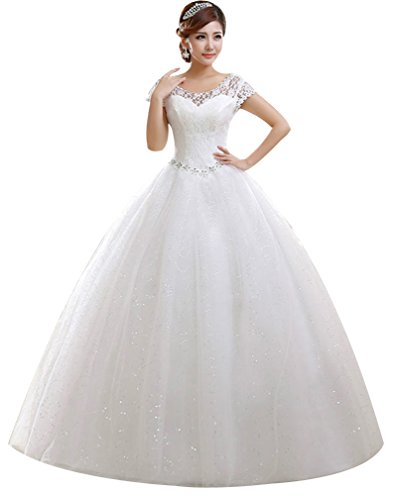
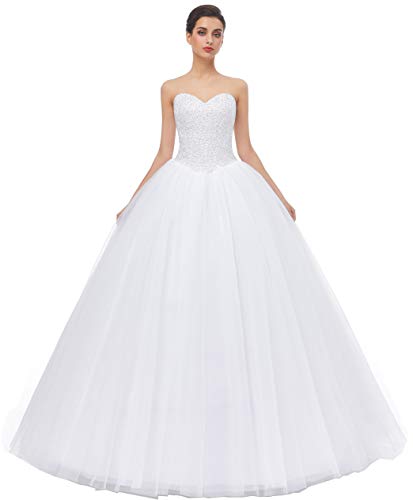
A dramatic, full-skirted silhouette with a fitted bodice. Ball gowns create a fairy-tale effect and photograph beautifully in grand venues. They can feel heavy in entry-level fabrics; premium versions use lighter layers of tulle or organza to reduce bulk while keeping the volume.
Mermaid / Trumpet
Fitted through the bodice, hips, and thighs, then flaring dramatically below the knee. This silhouette emphasizes curves and creates a striking hourglass line. It restricts stride length, so test walking and sitting during your fitting—high-end mermaid gowns often add hidden stretch panels for comfort.
Sheath
A clean, straight cut that follows the body's natural lines. Sheath gowns suit minimalist and modern weddings and suit slimmer figures or brides who prefer understated elegance. Look for fabrics with a touch of stretch to avoid stiffness.
Empire Waist
The waistline sits just under the bust, with the skirt falling from there. This is an excellent choice for petite brides, brides who are pregnant, or anyone who wants a flowing, comfortable gown. It lengthens the legs visually.
Tea-Length & Mini
Shorter hemlines are increasingly popular for city hall ceremonies, second looks, and outdoor celebrations. Tea-length gowns hit mid-calf, while mini gowns sit above the knee. Both are practical, playful, and easier to walk in—especially on grass or sand.
Pair your silhouette with the right venue and season. A full ball gown can feel out of place on a beach, while a light sheath may disappear in a cathedral. For venue ideas that complement different gown styles, browse our wedding venues guide.
Necklines & Sleeves Explained
Necklines frame your face and draw the eye upward in photographs. The right neckline should balance your shoulders and bust while keeping you comfortable as you move.
- Sweetheart: Curves gently across the bust. Universally flattering and works well with strapless and sleeveless gowns.
- Scoop: A soft, rounded neckline that elongates the neck and suits almost every body type.
- V-neck: Creates a vertical line that lengthens the torso. Depth matters—moderate V-necks work for most ceremonies.
- Illusion: Sheer fabric that creates the appearance of a higher neckline while showing skin. Popular in both conservative and modern designs.
- High neck / Halter: A sophisticated, covered look ideal for formal and winter weddings.
- Off-the-shoulder: Soft, romantic, and flattering on broad or narrow shoulders alike.
Sleeves and straps are equally important for comfort and modesty preferences. Cap sleeves, three-quarter lace sleeves, and detachable sleeves allow you to change the look between ceremony and reception—a practical trick used by many brides.
Fabrics & Their Real-World Behavior
The fabric determines how a white bridal gown drapes, photographs, and wears through a long day. Understanding the trade-offs helps you avoid surprises after purchase.
Chiffon
Light, flowing, and airy. Chiffon moves beautifully in photos but wrinkles easily and shows creases when packed. It suits soft, romantic styles and destination weddings where lightweight packing matters.
Satin
Structured and glossy. Satin holds sculpted shapes well and looks luxurious under artificial light. It can show water marks and every seam, so it demands careful tailoring—mid-range and premium gowns often use higher-quality satin for a smoother finish.
Lace
The classic bridal fabric. Lace adds texture, romance, and visual interest without extra color. Quality varies widely: entry-level lace can feel stiff and scratchy, while premium laces are soft and detailed. Always touch the lace against your skin before deciding.
Tulle & Organza
Sheer, lightweight layers used for volume. Tulle creates the classic ball gown look without heavy weight. Organza is stiffer and holds a crisp shape. Both are prone to snagging, so handle them carefully when storing your gown.
Crepe
A modern, matte fabric with a smooth finish and slight stretch. Crepe drapes elegantly, resists wrinkles, and photographs with a clean, minimalist look. It is popular for sheath and minimalist silhouettes.
Mikado Silk
A structured, luxurious fabric with a subtle sheen. Mikado holds architectural shapes beautifully and is common in top-tier bridal gowns. It is heavier than crepe but resists wrinkles and looks polished throughout the day.
Fabric tip: Always ask to see the gown in daylight if possible. White fabrics look dramatically different under warm boutique lighting versus outdoor sun, and photos are taken in both. This is especially important if you are choosing between ivory, diamond white, and pure white.
Finding Your Perfect Shade of White
"White" is not one color—it is a spectrum. The shade you choose affects how your skin tone looks and how the gown reads in photos.
- Pure White: Cool and stark. Can wash out warm or olive skin tones, but looks striking on very fair or deep skin tones.
- Diamond White: A slightly softer cool white. Very common in modern gowns and a safe middle ground.
- Ivory: A warm, creamy white. Flatters most skin tones and photographs with a soft, romantic glow.
- Champagne: A warmer beige-white. Ideal for brides who want warmth and depth, especially in evening light.
- Blush: White with a subtle pink undertone. Adds a romantic, feminine touch without looking pink.
When trying gowns, hold swatches of each shade near your face in natural light. Your perfect match is the one that makes your skin look luminous and even—not the one you expected to love.
Try this at your fitting:
1. Bring your wedding jewelry and shoes.
2. Test all shades against your face in natural light.
3. Sit down in each gown to check comfort.
4. Walk and raise your arms to test mobility.
5. Bring one honest friend—not a crowd.
The shade of your gown also shapes your overall palette. If you are still finalizing your wedding colors, our guides on fall wedding colors and white roses for weddings show how a white gown anchors different palettes.
The Bridal Gown Shopping Checklist
Bridal shopping is more productive when you arrive prepared. Use this checklist before your first appointment.
- Set a clear budget tier—entry-level, mid-range, or premium—before visiting boutiques. Avoid trying gowns above your tier.
- Research your venue and ceremony time. Daylight ceremonies favor softer whites; evening events can carry richer champagne tones.
- Bring seamless nude undergarments and the shoes you plan to wear, or similar heel heights.
- Style your hair roughly as you plan to wear it, so necklines read accurately.
- Bring photos of gowns you love and note what specifically appeals to you about each.
- Limit your party to one or two trusted people. Too many opinions create noise.
- Ask about production timelines and alteration turnaround before placing an order.
- Confirm the return and cancellation policy in writing.
Plan around your timeline: Ordering early gives you flexibility, but leaving adequate time for alterations matters even more. If your timeline is tight, read our wedding planning checklist to map dress fittings against other milestones.
If you are shopping alongside your bridal party, our guides on bridesmaid hairstyles and best bridesmaid gifts can help you plan a coordinated look for the whole group.
Alterations: The Secret to a Perfect Fit
Almost no bridal gown fits perfectly off the rack—and that is normal. Alterations are where a good gown becomes your gown. Plan for at least two to three fittings, and budget time as carefully as you budget resources.
First Fitting
Typically six to eight weeks before the wedding. The seamstress pins the bodice, hem, and straps. Bring your shoes and undergarments so measurements are accurate.
Second Fitting
Check the fit after initial adjustments. Test sitting, walking, and raising your arms. Confirm the bustle is functional and easy for your maid of honor to manage.
Final Fitting
One to two weeks before the wedding. Do a full dress rehearsal with shoes, jewelry, and veil. Ask for written care instructions for steaming and storage.
Day-Of Preparation
Steam—not iron—your gown the day before. Hang it in a cool, dry place. Pack a small emergency kit with stain remover, safety pins, and fashion tape.
For brides wearing a white gown for a vow renewal or second celebration, our vow renewal ceremony guide offers practical planning advice that pairs well with gown selection.