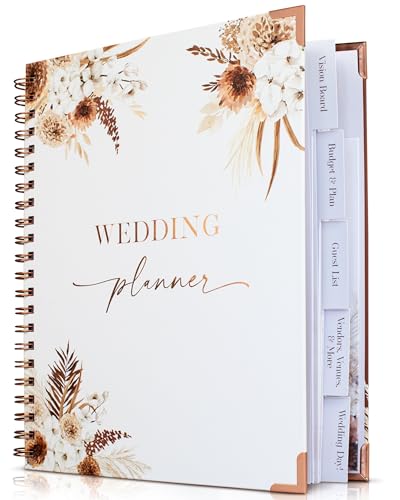
The Wedding Coordinator Planner: Your Secret to a Stress-Free Day
"Transform your vision into a flawless reality. Discover how the right professional guidance can save you time, money, and your sanity."
Planning a wedding is a monumental task. It involves hundreds of decisions, a complex budget, and a timeline that can span over a year. While the image of a stressed-out bride is a tired cliché, the reality is that even the most organized couples can feel overwhelmed by the sheer scale of the project. This is where a wedding coordinator planner becomes an invaluable asset. This professional is more than just an event manager; they are a strategist, a therapist, a logistics expert, and a guardian of your peace of mind.
For many couples, the question isn't whether they want a coordinator, but whether they can justify the investment. The good news is that the industry has evolved to offer a range of services at various tiers of involvement, from full-service luxury planners to budget-friendly day-of coordinators. Understanding these options is the first step toward making a smart, informed decision that aligns with your needs and your vision for the day.
What Does a Wedding Coordinator Planner Do?
The role of a wedding coordinator planner is multifaceted and dynamic. Their primary goal is to translate your vision into a seamless, well-executed event. This involves a blend of creative and logistical tasks, all aimed at reducing your stress and ensuring a memorable experience for you and your guests.
On a typical wedding day, a coordinator acts as the central command hub. They manage the timeline, ensuring that vendors arrive on schedule and that the ceremony and reception flow without a hitch. They oversee setup, handle any last-minute emergencies (from a torn dress to a late caterer), and keep the entire bridal party on track. They are the first to arrive at the venue and the last to leave, giving you the freedom to be fully present and enjoy every moment. Beyond the wedding day, a planner can help with everything from creating a detailed wedding checklist to managing your vendor contracts and budget.
Planner vs. Coordinator: What's the Difference?
These terms are often used interchangeably, but in the wedding industry, they refer to distinct levels of service. Understanding the difference is crucial for hiring the right professional for your specific needs.
The Full-Service Wedding Planner
A full-service planner is your partner from the very beginning. They are typically involved 12-18 months before the wedding, helping you set the overall budget, choose a venue, and assemble a team of vendors. They offer design guidance, attend site visits, and manage the entire planning process. This premium service is ideal for couples with busy schedules, a large budget, or a complex vision who want a true expert to lead the way.
The Month-Of or Day-Of Coordinator
This is a mid-tier service that focuses on the final logistics. A "month-of" coordinator typically takes over 4-6 weeks before the wedding, while a "day-of" coordinator steps in 2-4 weeks prior. They review all your vendor contracts, create a detailed day-of timeline, and manage the rehearsal. On the wedding day, they execute the plan, serving as the single point of contact for all vendors. This is the most popular and accessible option for couples who have done the bulk of the planning but want professional execution.
Choosing between these two service models depends on your planning style, your available time, and your overall wedding vision. Many couples find that a day-of coordinator provides the perfect balance of professional support and personal control. You can learn more about specific services on our wedding planner service page.
The Undeniable Benefits of Hiring a Pro
While it might seem like a significant addition to your wedding checklist, the value a coordinator brings is often far greater than the cost. The most significant benefit is the reduction of stress. Imagine waking up on your wedding day and your only job is to be present, enjoy your morning, and get ready with your bridal party. All the vendor calls, setup arrangements, and timeline logistics are handled by your coordinator.
Additionally, a coordinator brings a wealth of experience and a deep network of vendor relationships. They can help you get the best value from your chosen vendors, negotiate contracts, and identify red flags you might have missed. They are masters of contingency planning, anticipating potential issues and having a backup plan ready. This expertise can also save you money in the long run by preventing costly mistakes, such as double-booking a vendor or underestimating setup times. They often have a pulse on the local wedding planner services landscape, knowing which pros are reliable and which are not.
How to Choose the Right Coordinator for You
Finding the perfect coordinator is about more than just checking a box on your wedding checklist for wedding planner. It's about finding a personality and a working style that meshes with yours. Start by doing your research. Ask recently married friends for recommendations, and look for coordinators who have experience with your specific venue type and wedding style. For example, a coordinator who is an expert in rustic, outdoor weddings might be a better fit for you than one who specializes in high-end hotel ballrooms.
During the initial consultation, ask pointed questions about their experience, their process, and their emergency protocols. A great coordinator will have a portfolio of past weddings and can provide references. Pay attention to how they communicate and whether they listen to your ideas. You will be working closely with this person for months, so trust and compatibility are essential. This is a crucial step in managing your wedding etiquette and ensuring a harmonious planning process.
DIY Planning vs. Professional Help: A Smart Comparison
Many couples consider a DIY approach to save money. While it's true you can save on the cost of a planner, you must also consider the cost of your time, energy, and the potential for stress. A DIY wedding can be incredibly personal and rewarding, but it requires a significant time commitment and a high level of organization. You are responsible for every detail, from ordering wedding invitations to coordinating the timeline for your wedding photography and wedding catering teams.
Hiring a coordinator is an investment in your experience. The mid-range to premium tiers of coordination services often provide the most tangible return on investment by allowing you to be a guest at your own wedding. They handle the wedding etiquette of vendor tipping, manage the flow of the reception, and ensure that your carefully chosen wedding decor is set up perfectly. The question becomes: is the peace of mind and flawless execution worth the expense? For most couples, the answer is a resounding yes. It's about investing in the quality of your most important memories, not just a service.