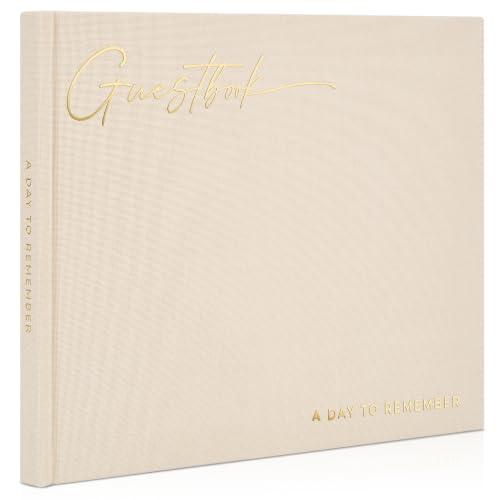
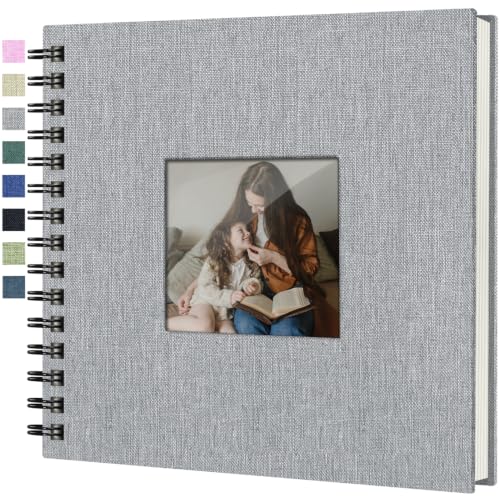
Photo Book as Guest Book for Wedding
"Turn your love story into a living keepsake your guests will fill with words."
The traditional lined guest book has a quiet problem: it gets signed once, then stored in a box for decades. A photo book as a guest book for wedding changes that entirely. Instead of blank pages, guests flip through your engagement photos, childhood snapshots, and candid moments together, then write their messages directly beside the images that moved them. The result is not a registry of names, but a story your guests help tell.
This approach has become one of the most requested alternatives at modern ceremonies, and it pairs beautifully with a modern minimalist wedding or an intimate micro-wedding where personal details matter more than volume. Below, we break down exactly how to plan, design, and execute a photo guest book that people will actually want to look through again.
Why Couples Are Switching to Photo Guest Books
The appeal goes beyond aesthetics. A photo guest book solves several practical problems at once, and the emotional payoff lasts far longer than a signature on a numbered line.
It Gives Guests a Prompt
Blank pages cause hesitation. When a guest sees a photo of you two hiking in the mountains, they suddenly know what to write: a memory, a wish, or a joke about that trip. Images act as conversation starters, even on paper.
It Becomes an Actual Album
Most guest books end up as a list of names with no context. A photo book is already a curated album of your relationship, and the handwritten notes transform it into a collaborative art piece you will revisit on anniversaries.
It Doubles as Reception Decor
Set on a beautiful table with pens and a small sign, the book becomes part of your styling. It also gives shy guests something to do during cocktail hour besides hover near the bar. If you want more ways to keep guests engaged, see our photo booth ideas.
It Eliminates the "Where Do I Sign?" Problem
Traditional guest books often get skipped entirely because guests cannot find them or do not realize they are supposed to sign. A photo book is visually obvious and invites curiosity.
Worth Knowing: A photo guest book works especially well for small weddings because there is time for each guest to write something meaningful. With 40 guests or fewer, every message tends to be thoughtful rather than rushed.
The Best Photo Book Formats Compared
Not all photo books are built for handwriting. The paper stock, binding, and page thickness all affect whether guests can comfortably write without smudging or bleeding through. Here is how the main formats stack up.
Lay-Flat Hardcover Albums
Best for: Couples who want a premium keepsake that opens completely flat. Lay-flat binding means guests can write near the center spine without fighting the book's natural curve. This is the top-tier choice for photo guest books because the thick pages resist bleed-through and hold up to years of handling. Many premium album services offer this binding as standard.
Standard Hardcover Photo Books
Best for: A solid middle-ground option. These are the mid-range choice most couples default to. Pages are thicker than a typical magazine but do not always lie perfectly flat. Writing near the gutter requires a bit of care. Choose matte or satin paper rather than glossy so ink dries quickly and does not smudge.
Softcover Photo Books
Best for: Budget-friendly and lightweight. These are an entry-level option that works well if you plan to print multiple copies or if you are assembling the book yourself from a print-on-demand service. The tradeoff is durability: softcovers may curl over time and offer less protection for handwritten pages.
DIY Scrapbook-Style Albums
Best for: Crafty couples who want full control. You print photos at home or through a lab, mount them on archival cardstock, and leave generous white space for messages. This approach is the most affordable but requires the most labor. It also gives you total freedom over layout, which matters if you want a specific aesthetic to match your minimalist wedding decor.
Paper Matters More Than You Think: Avoid glossy photo paper for any page guests will write on. Glossy surfaces cause ink to smear, especially with left-handed writers. Matte, satin, or uncoated paper is the reliable choice. If you are ordering from a print service, look specifically for "lay-flat" or "writeable" paper options.
Layout Ideas That Invite Great Messages
The layout of each spread determines how comfortable guests feel writing. A cramped design produces one-word messages; a generous design produces paragraphs. Here are layout patterns that consistently work well.
The Half-and-Half Spread
One full-page photo on the left, one full-page blank writing area on the right. This is the simplest and most reliable layout. Guests have ample room to write and a clear visual prompt. Use this pattern for your most meaningful photos.
The Collage with Margins
Two or three smaller photos arranged on one page, with a wide border of white space around the edges. Guests write in the margins, around the photos, or below them. This feels playful and encourages shorter, punchier notes from guests who feel intimidated by a large blank page.
The Caption Line
Each photo sits at the top of the page with a single printed prompt beneath it, such as "Our first road trip" or "The day we adopted our dog." Below the prompt, leave five to six blank lines. Guests respond to the prompt, which produces more specific and personal messages than a generic "Congratulations."
The Two-Page Spread
One large photo spans both pages, with writing space concentrated in the bottom third. This works best for large weddings where multiple guests need to sign the same spread. It also creates a dramatic visual moment when the book is displayed open on a table.
If you want to guide guests toward better messages, print a short instruction on the first page. Something like: "Leave us a memory, a piece of advice, or a wish for our future. We will read these on every anniversary." Guests respond well to gentle direction, and it removes the awkwardness of not knowing what to write.
Choosing the Right Photos for Your Book
The photos you select set the emotional tone of the entire book. You do not need professional photography for every page, but you do need images that spark a reaction in your guests.
- Include candid moments, not just posed portraits. Guests connect with photos that look real: laughing at a dinner table, mid-hike, covered in flour while baking. These images give guests something specific to reference.
- Mix eras deliberately. Childhood photos next to recent engagement photos create a narrative arc. Guests who have known you for years will recognize the early images and feel a sense of history.
- Add photos with your guests when possible. If you have a photo with your college friends or your aunt, include it. Guests are far more likely to write a long message on a page that features them.
- Leave some pages intentionally photo-light. A spread with one small photo and lots of white space signals to guests that this is a writing page. Too many images on every page creates a busy, cluttered feel.
- Use high-resolution files. Blurry or pixelated photos will look worse in print than on a screen. If you are unsure about resolution, ask your photographer for print-ready files. Our guide on how to choose a photographer covers what to request in your contract.
A Practical Note: If you are building your book from engagement photos, ask your photographer whether they offer album design services. Many do, and it is often more affordable to bundle the album with your photography package than to design it separately afterward. Our article on wedding photography explains how these packages typically work.
Day-Of Logistics and Guest Signing Station
A beautiful book means nothing if guests never find it. The signing station needs to be visible, comfortable, and stocked with the right supplies.
Placement
Put the book near the entrance to the reception or beside the escort card table. Guests naturally pause in these areas. Avoid placing it on the gift table, where it gets buried under boxes, or near the bar, where drinks can spill.
Standing vs. Sitting
Guests write longer messages when they can sit. Provide a small table with at least two chairs. If space is tight, a cocktail-height table with tall stools works as a compromise. Standing guests tend to write shorter notes.
Pens and Supplies
Provide at least four to six pens in a mix of dark ink colors. Use acid-free archival pens so the ink does not fade or damage the paper over decades. Add a small sign explaining what to do, and consider a basket of tissues if the book is particularly sentimental.
Lighting
Reception lighting is often dim and moody, which is beautiful but terrible for writing. Add a small lamp or a few battery-operated candles to the signing table so guests can see what they are writing. This small detail dramatically improves message quality.
Assign a Helper
Ask a member of your bridal party to casually monitor the station during cocktail hour and dinner. They can encourage hesitant guests to sign and make sure the book does not get misplaced during the venue's cleanup.
Timing
Announce the guest book during your welcome toast or have your officiant mention it before the ceremony. Guests who know about it early will sign during the reception rather than rushing at the end of the night.
Preserving and Displaying Your Keepsake
Once the wedding is over, the photo guest book becomes a piece of your history. How you store and display it determines whether it stays readable for decades or fades into a box.
Store the book in a cool, dry place away from direct sunlight. UV light fades both photo prints and ink over time, so avoid displaying it on a sunny shelf year-round. If you want it visible, rotate it seasonally or keep it in a protective slipcase.
Consider digitizing the handwritten pages with a high-resolution scanner within the first year. This preserves the messages even if the physical book is ever damaged, and it lets you share the pages with family members who could not attend. Many couples also read the book aloud on their first anniversary, which turns a wedding artifact into an ongoing tradition.
If you plan to display the book at future events, such as a bridal shower for a friend or a family gathering, handle it with clean hands and avoid leaving it open for long periods. The binding will last far longer if the book spends most of its life closed and supported.
A Sentimental Idea: Leave the final two pages of the book blank. On your first anniversary, write your own entry about the wedding day. It closes the loop and gives the book a proper ending written by the two of you.