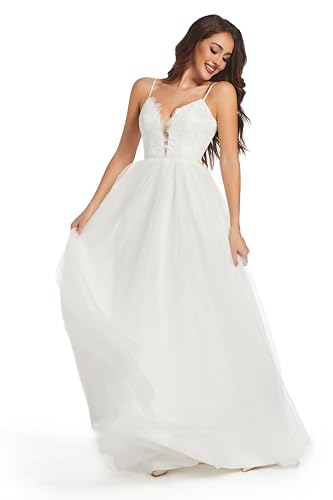
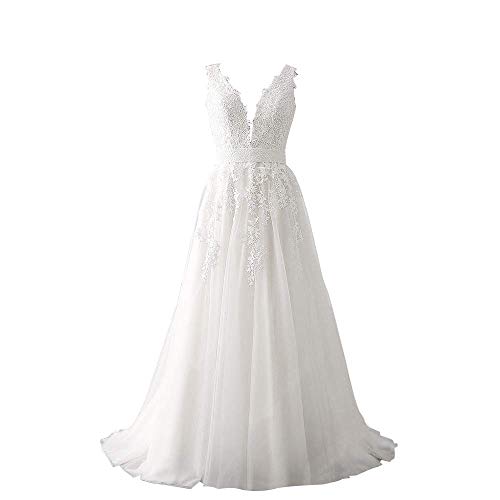
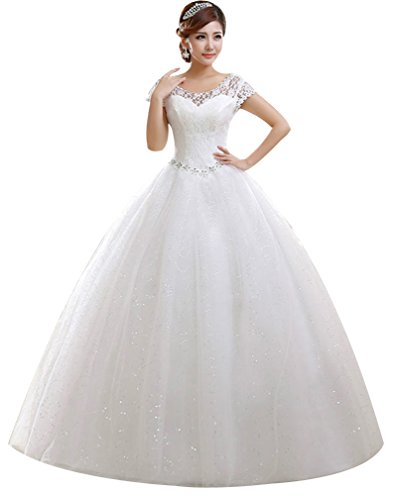
Affordable Bridal Gowns for Every Style & Budget
"Your dream dress doesn't have to drain your savings. Discover how to find a stunning gown at every price tier."
Finding an affordable bridal gown that feels luxurious is absolutely possible. The secret isn't just about choosing a lower tier—it's about knowing where to look, what fabrics to prioritize, and how to separate genuine quality from marketing hype. Whether you're dreaming of a minimalist sheath or a dramatic ball gown, there is a dress at every tier that can make you feel like a million bucks without the top-tier price tag.
In this guide, we'll walk you through the different tiers of bridal gowns, the best places to shop, and the insider tips that stylists use to help brides find their perfect dress without compromising on style or quality. You'll also learn how to navigate sample sales, understand the true cost of alterations, and decide whether shopping online or in a boutique is right for you.
Understanding Bridal Gown Tiers
The bridal industry doesn't have a universal pricing system, but gowns generally fall into three broad tiers: entry-level, mid-range, and premium. Understanding these tiers helps you set realistic expectations and focus your search on the quality level that matters most to you.
Entry-Level Gowns: These are your budget-friendly options, often made from simpler fabrics like chiffon, tulle, or basic satin. They may have minimal beading or lace and are typically produced in standard sizes. They're perfect for brides who want a beautiful dress for a single day and don't need heirloom-level construction.
Mid-Range Gowns: This tier offers a significant jump in fabric quality and construction. You'll find better lace, more intricate beading, and often more flattering cuts. Many direct-to-consumer brands and boutique sample sales fall into this category, offering excellent value for brides who want a dress that feels special.
Premium Gowns: These are the luxury designs with hand-sewn embellishments, imported fabrics, and often custom sizing. While they come with a higher price tag, they can sometimes be found at sample sales or through online consignment. If you're set on a designer name, this is where patience and timing pay off.
It's important to note that a higher tier doesn't automatically mean a better dress for you. Many brides find their perfect gown in the entry-level or mid-range tier because it fits their body, style, and wedding vision perfectly. The key is to focus on how the dress makes you feel, not just the label or the tier.
Where to Shop for Affordable Gowns
The days of only shopping at high-end boutiques are long gone. Today, there are more options than ever for finding an affordable bridal gown that looks and feels amazing. Here are the most popular avenues:
- Online Direct-to-Consumer Retailers: Brands that sell directly to you online cut out the boutique markup. They often offer entry-level and mid-range gowns with surprisingly good quality. The trade-off is that you'll need to know your measurements and may need alterations.
- Sample Sales: Bridal boutiques periodically clear out their floor samples to make room for new inventory. These gowns are often deeply discounted, but they're usually sold as-is and in limited sizes. Sign up for email alerts from local boutiques to get notified.
- Off-the-Rack Collections: Many designers now offer ready-to-wear bridal collections that you can buy and take home the same day. These are often simpler designs but made with beautiful fabrics and at a more accessible tier.
- Consignment & Vintage Shops: Pre-owned gowns can be a goldmine. Many brides sell their dresses after the wedding, and you can find premium gowns at mid-range or even entry-level tiers. Just be sure to inspect for damage and budget for cleaning.
- Department Stores: Some department stores carry bridal collections, especially during prom and wedding season. These can be a great source for simple, elegant gowns at entry-level tiers.
No matter where you shop, always read the return policy carefully. Online purchases, in particular, can be tricky if the dress doesn't fit or look as expected. If you're shopping for bridesmaid dresses as well, you might find our guide to affordable bridesmaid dresses helpful for keeping the entire bridal party on budget.
Fabric & Construction: What to Look For
The single biggest factor in how expensive a bridal gown looks is the fabric. A simple design in a high-quality fabric will almost always look more luxurious than a complicated design in a cheap fabric. Here's what to prioritize:
💡 Fabric Tip: Look for natural fibers like silk, silk-blend, or high-quality rayon. These drape better and photograph more beautifully than synthetic fabrics like polyester. If you're shopping online, read the fabric description carefully—terms like "silky satin" often indicate a synthetic blend, while "silk crepe" or "silk mikado" are genuine luxury fabrics.
Construction Details That Matter:
- Lining: A fully lined gown feels more substantial and prevents see-through issues. Even entry-level gowns should have a proper lining.
- Seams: Look for clean, straight seams with no loose threads. French seams (where the raw edges are enclosed) are a sign of higher quality.
- Boning: If the gown has a structured bodice, check that the boning is securely sewn in and not poking through the fabric.
- Zippers & Closures: A quality zipper should glide smoothly. Hook-and-eye closures should be securely attached.
If you're considering a gown with heavy beading or embroidery, inspect it closely. Cheap beading can look tacky and may fall off easily. A gown with minimal embellishments but beautiful fabric is often the smarter investment.
Sample Sales & Off-the-Rack Secrets
Sample sales are one of the best-kept secrets for finding an affordable bridal gown. Here's how to make the most of them:
- Arrive Early: The best dresses go fast. Plan to arrive before the sale opens and bring a friend to help you scan the racks.
- Know Your Measurements: Sample sizes are often limited to a specific range (typically US 4–10). Knowing your measurements in advance will save you time.
- Inspect Carefully: Samples have been tried on by many brides. Check for stains, tears, missing beads, and stretched fabric. Factor in the cost of cleaning and repairs.
- Be Ready to Decide: Most sample sales are final sale. If you love it, buy it—it won't be there when you come back.
Off-the-rack collections are another great option. These are gowns that are produced in standard sizes and can be purchased and taken home immediately. They're often simpler in design but made with beautiful fabrics, making them a fantastic choice for brides who want a high-quality gown without the wait or the custom price tag.
Online vs. Boutique: Pros & Cons
Should you shop online or in a boutique? Both have their advantages and disadvantages. Here's a quick breakdown:
Online Shopping
Pros: Wider selection, often lower prices, convenience, and the ability to compare styles easily. Many direct-to-consumer brands offer entry-level and mid-range gowns with free shipping and returns.
Cons: You can't try before you buy, sizing can be tricky, and alterations may be more extensive. Return policies vary, so always read the fine print.
Boutique Shopping
Pros: Personalized service, expert styling advice, and the ability to try on multiple gowns in one session. You can feel the fabric and see how the dress moves.
Cons: Higher prices due to boutique markup, limited selection, and pressure to buy on the spot. Sample sales are your best bet for affordable gowns in a boutique setting.
A hybrid approach often works best: try on gowns in a boutique to determine your preferred silhouette and size, then shop online for a similar style at a more accessible tier. Just be prepared to budget for alterations, as online gowns rarely fit perfectly out of the box.
Budgeting for Alterations
One of the most overlooked costs of a bridal gown is alterations. Even an affordable gown can become expensive if it needs extensive modifications. Here's what to expect:
- Hemming: Almost every gown needs hemming, especially if you're shorter or wearing heels. This is a standard alteration and usually costs a moderate amount.
- Taking in the Bodice: If the gown is too loose in the bust or waist, it will need to be taken in. This is a common alteration but can be more costly if the gown has intricate beading or lace.
- Adding a Bustle: If you want to dance at your reception, you'll need a bustle. This involves adding hooks or ribbons to lift the train, and it's a must for most gowns with a train.
- Straps & Sleeves: Adding straps or sleeves can change the look of a gown, but it also adds to the alteration cost.
💡 Alteration Tip: Always ask for an alterations estimate before you buy the gown. Some bridal salons offer in-house alterations, which can be more convenient but not necessarily cheaper. Independent seamstresses often charge less, but be sure to read reviews and book early—especially during wedding season.
When budgeting for your gown, plan for alterations to add a significant amount to the overall cost. If you're shopping at an entry-level tier, you may want to allocate a portion of your budget specifically for alterations to ensure the dress fits you perfectly.
For more inspiration on bridal style, you might also explore our guides on A-line wedding dresses and ball gown dresses for weddings to narrow down your preferred silhouette.